

What Makes One QSR Chain Different From Another?
From cloud kitchens to franchise ownership to menu category, a breakdown of what actually differentiates one QSR chain from another, and what stays the same.
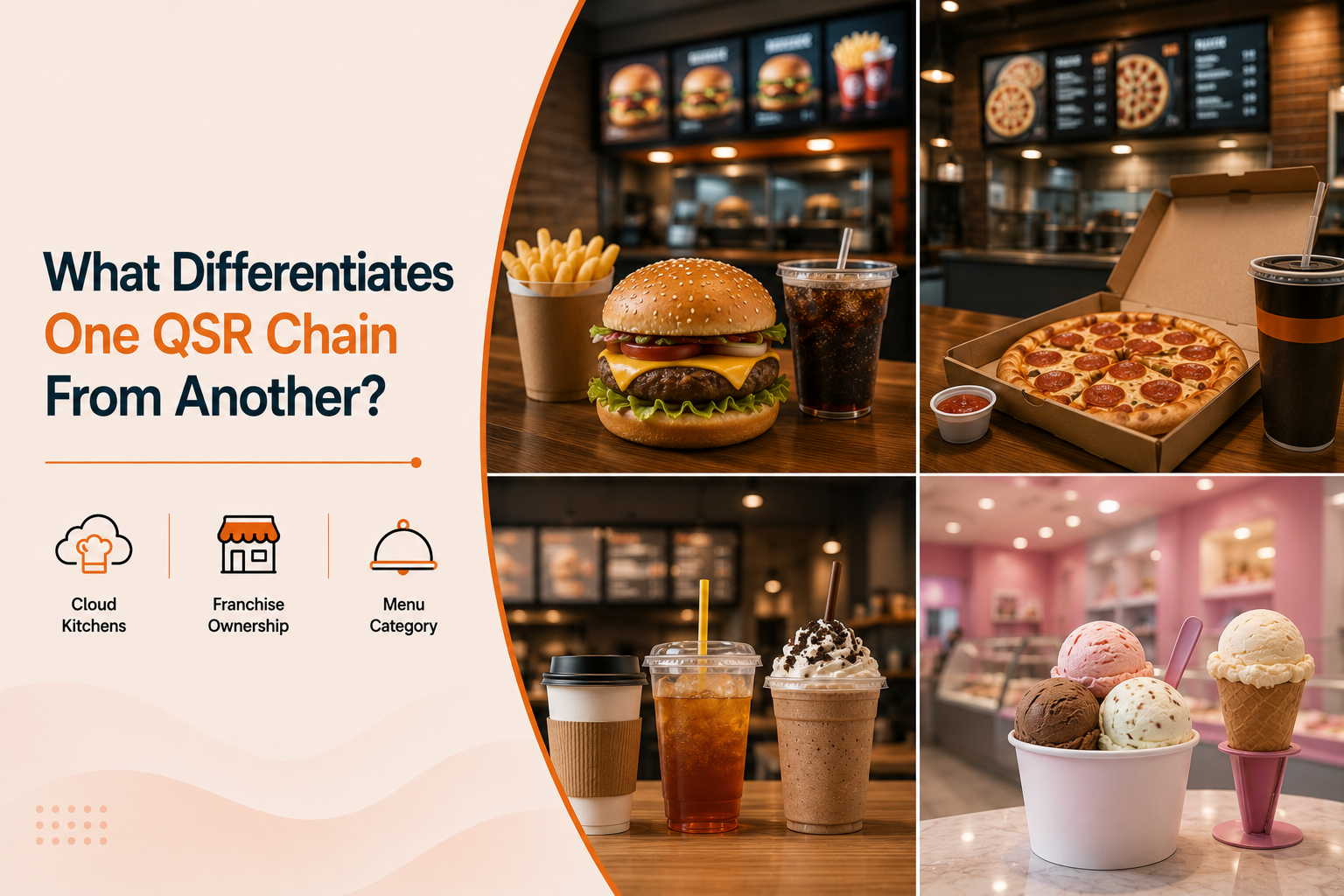
"QSR" gets used as if it describes one kind of business. In practice, a dine-in pizza chain, a delivery-only biryani brand, and a franchised chai counter are all technically quick service restaurants.
They have very little in common day to day.
The differences that actually matter fall into three categories:
- How the business operates
- Who owns and runs each location
- What's actually being served
This post breaks down each one, and what it changes operationally.
Business Model: How the Store Actually Operates
Dine-in Led
The traditional quick service restaurant format, seating, counter or table service, and a customer experience built around the physical space itself, not just the food.
Dine-in remains a core part of the QSR business model across most markets, even as delivery and takeaway have grown. It's still where a large share of brand experience and repeat visits get built.
Drive-Thru Led
Built almost entirely around speed and throughput. Dine-in space is minimal or absent, and the operational focus shifts to:
- Order accuracy
- Queue management
- Turnaround time under constant pressure
Drive-thru formats tend to demand the tightest, most rehearsed operational sequencing of any QSR format, since there's no room to recover from a slow order the way there might be in a seated dining room.
Cloud Kitchen or Delivery-Only
No customer-facing storefront at all. The kitchen is built entirely around fulfilling aggregator and app orders.
This model has grown fast in the region:
- India's cloud kitchen market alone was valued at roughly 1.13 billion dollars in 2024
- It's projected to more than double by 2030
- Globally, Asia-Pacific leads cloud kitchen growth due to dense urban markets and high food delivery adoption
Multi-brand cloud kitchens, where a single kitchen produces for several different delivery-only restaurant brands at once, are an increasingly common variation of this model, particularly in dense urban markets across India and Southeast Asia.
Hybrid Models
Dine-in plus delivery is increasingly the default rather than the exception.
- Digital orders now account for a majority of transactions at several leading QSR chains
- Delivery aggregators have posted strong year-over-year order volume growth across the region
This means most QSR brands today are effectively running two operating models under one roof: a dine-in or counter-service business, and a delivery fulfillment business, each with its own throughput demands and staffing needs.
Ownership Structure: Franchise vs. Company-Owned
Franchise
Individual owner-operators run a location under a shared brand.
Restaurant franchising in its modern form traces back to the 1920s, with early adopters setting the template that later grew into the industry standard. Trademark protections established in the mid-1940s are widely credited with accelerating the model's adoption across the restaurant industry.
In a franchise structure:
- Consistency across locations is enforced almost entirely through documented SOPs and audits, not direct day-to-day management, since the brand doesn't operate the location itself
- Franchisee profitability and unit economics tend to shape decision-making at least as much as brand standards do
- An owner-operator has to balance following the playbook with running a profitable individual business
Company-Owned
Centralized management runs every location directly.
- This gives a brand more immediate control over execution
- But it also means every operational gap has to be caught and corrected across a much larger number of locations, without the built-in accountability a franchise owner has in their own business
- Company-owned growth tends to require heavier central investment per location, which is part of why several QSR brands mix both models within the same market
Master Franchise and Area Development Models
Common in India and the GCC, where international QSR brands enter a new market through a single master franchisee or area developer responsible for multiple locations, rather than licensing to individual single-store operators directly.
This structure sits between fully centralized and fully independent franchising, and it's how a large share of global QSR brands have expanded into South Asian and Middle Eastern markets.
A Broader Shift Worth Noting
Recent industry reporting points to a trend worth flagging: brands performing well right now are increasingly the ones treating operational consistency and franchisee profitability as the foundation of growth, not an afterthought chased after expansion.
Growth for its own sake is being replaced by an emphasis on repeat customers, franchisee margins, and scalable systems, regardless of ownership structure.
Menu Category: What's Actually Being Served, and Why It Matters More Than It Looks
Menu category is the differentiator that gets the least attention in most industry content, but it shapes almost everything about how a kitchen actually runs. The category data makes clear just how much variation exists under the single "QSR" label.
Western Formats: Burgers, Pizza, and Fried Chicken
This remains the dominant category by revenue in several major QSR markets, commanding well over half of total category revenue in India as of 2026.
- Burger and sandwich formats lead within this group, supported by standardized, delivery-friendly prep and strong appeal across a wide price range, from value combos to premium builds
- Pizza is one of the fastest-growing formats within this category, with growth increasingly coming from Tier 2 and Tier 3 cities rather than saturated metro markets
- Fried chicken formats bring their own operational demands entirely, oil management, marination lead times, and equipment-heavy prep lines that look nothing like a pizza oven or a grill station
Regional and Heritage Formats: Biryani, Thali, Dosa, and Street-Food-Inspired QSR
This is the second-largest and fastest-growing category by share in India, driven by what's often described as the premiumization of traditional staples, familiar dishes repackaged into fast, standardized, delivery-friendly formats.
- Biryani in particular has become one of the most commercially significant formats in this category, supporting dedicated cloud-kitchen-first brands built entirely around batch cooking and long, controlled cook times, a very different kitchen rhythm from a grill or fryer line
- Dosa, chaat, and thali formats are following a similar path, moving from informal, unstandardized preparation into structured QSR formats with consistent recipes and portion control across locations
Indo-Chinese and Cross-Cuisine Formats
Fried rice, noodles, and momo have moved from occasional specials into a permanent structural tier on many QSR menus, with steady growth in both consumer demand and how often these items appear on operator menus.
This category tends to share kitchen equipment and prep logic with other wok- and steamer-based formats, but requires its own sourcing and food safety protocols distinct from either Western or traditional Indian formats.
Beverage-Led and Bakery Formats: Chai, Coffee, and Bakery Items
Bakery items alone have represented one of the largest single category shares in the Indian QSR market in recent years, driven by consistent demand for cakes, pastries, and cookies.
Beverage-led formats, chai and coffee chains in particular, are expected to keep growing quickly as brands continue to innovate within the category.
Operationally, this is the category with the least in common with the others on this list:
- Largely no-cook or low-cook preparation
- Extremely high transaction volume relative to kitchen complexity
- A food safety profile that has almost nothing to do with a kitchen handling raw meat or long-cook dishes
Menu Localization as a Category in Itself
International QSR brands entering India and similar markets have moved well past offering a single token vegetarian item.
Global chains have introduced regionally adapted products built specifically around local taste preferences, spice levels, and dietary patterns, blending international brand formats with local flavor profiles.
This localization strategy has been a significant factor in how international brands have expanded beyond metro markets into smaller cities. It means even a single global brand can end up running what are functionally several different menu categories across different markets.
Why This Matters Operationally
A no-cook beverage counter and a raw-meat handling kitchen are both "QSR" by category, but face almost nothing in common when it comes to food safety requirements, equipment needs, staff training, or even shift structure.
A biryani-focused cloud kitchen built around long batch cooks has a completely different labor rhythm than a bakery counter built around high-frequency, low-complexity transactions.
Menu category isn't a side detail. It's often the single biggest driver of what a store's SOPs, checklists, and training actually need to cover.
Why These Three Factors Matter Together, Not Separately
Two QSR brands can look identical on one axis and be almost entirely different once the other two are factored in.
A franchised, dine-in burger chain and a franchised, cloud-kitchen biryani brand are both "franchise QSR," but almost nothing about their daily operations looks the same:
- Different kitchens
- Different training needs
- Different customer touchpoints
- Different food safety risks
This is why a generic, one-size-fits-all approach to SOPs, training, or audits rarely works well across a diverse QSR portfolio. The starting framework can be shared, but the details need to flex based on where a brand sits across all three factors, not just one.
What Stays the Same Across Every QSR Format
Despite all of this variation, every QSR format still runs on the same operational basics, documented opening and closing procedures, food safety checks, staff training, and regular audits.
We'll cover this common operational backbone in more depth in an upcoming post. In the meantime:
- Our guide to Standard Operating Procedures for multi-location businesses is a good starting point
- Our breakdown of the checklist types every store needs covers the daily execution layer
- Our guide to building an incident escalation matrix is worth a look too, since ownership structure in particular has a direct effect on how incidents and escalation get handled across a brand
Book a personalized demo to see how NymbleUp works across every QSR format, dine-in, cloud kitchen, franchise, or company-owned.
FAQ
What are the main types of QSR business models? Dine-in led, drive-thru led, cloud kitchen or delivery-only, and hybrid models that combine dine-in with delivery. Each shapes the kitchen layout, staffing, and customer experience differently.
What's the difference between franchise and company-owned QSR chains? In a franchise model, individual owner-operators run locations under a shared brand, with consistency maintained through SOPs and audits rather than direct management. In a company-owned model, a central organization manages every location directly, with more immediate control but a larger span of operational oversight.
Which QSR menu category is growing the fastest? Regional and heritage formats, particularly biryani and other premiumized traditional dishes, along with pizza, are among the fastest-growing categories in several major QSR markets, even as Western formats like burgers and fried chicken continue to hold the largest overall revenue share.
Does menu category affect how a QSR kitchen operates? Yes, significantly. A beverage-led QSR with largely no-cook prep has a very different food safety profile, equipment need, and staffing pattern than a kitchen handling raw meat, long-cook items like biryani, or wok-based Indo-Chinese formats.
What do all QSR chains have in common, regardless of format? Every QSR format relies on the same operational basics, documented opening and closing procedures, food safety checks, staff training, and regular audits, even when the business model, ownership structure, and menu differ completely.
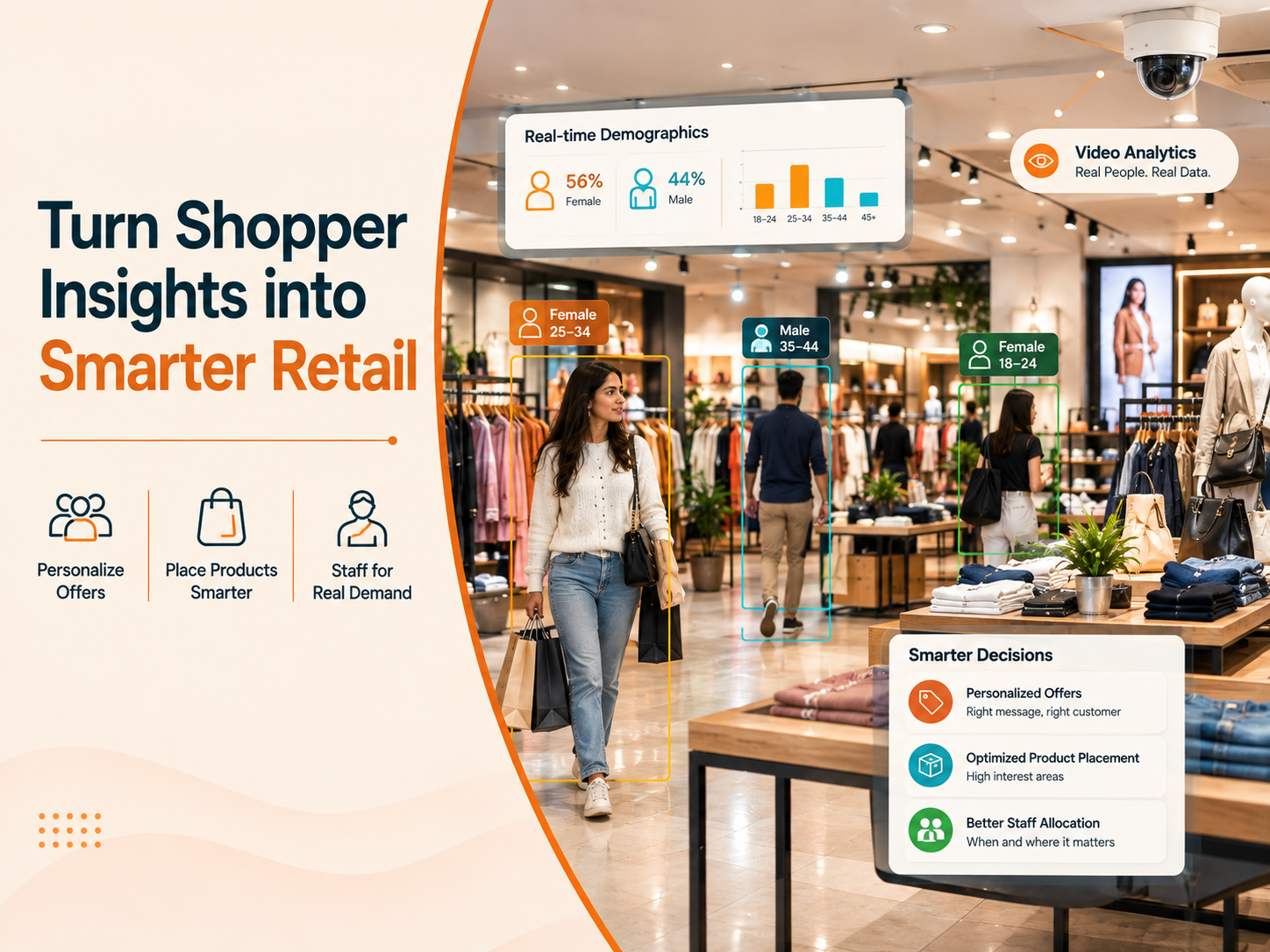
How Video Analytics Reveals Who's Actually Walking Into Your Store
Discover how AI video analytics helps retailers gain real time demographic insights, understand visitor patterns, personalise offers, optimi…
Read more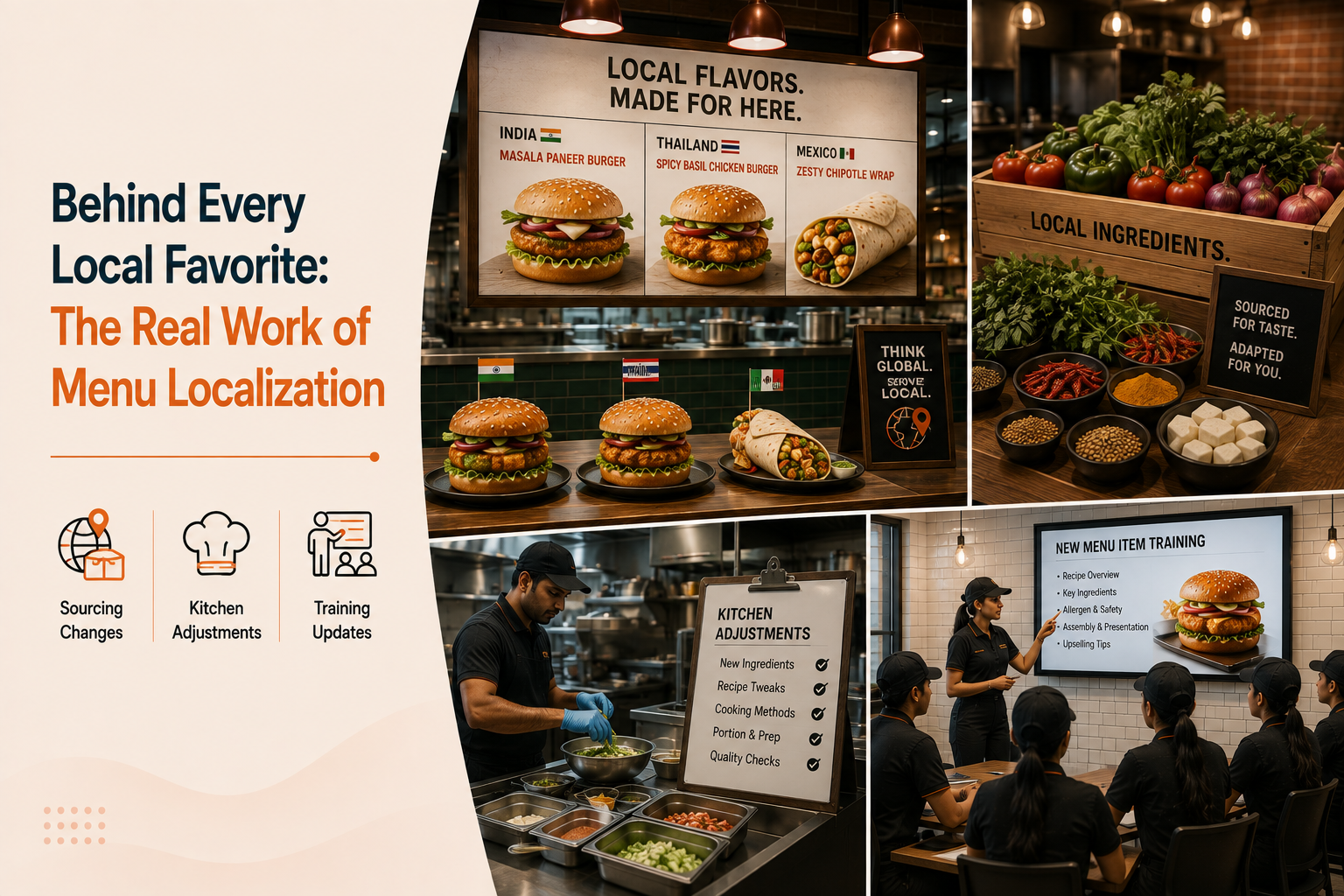
How QSR Brands Adapt Menus for Different Markets and Cities
Menu localization isn't just a new item on the board. Here's the sourcing, kitchen, and training changes that actually happen behind a regio…
Read more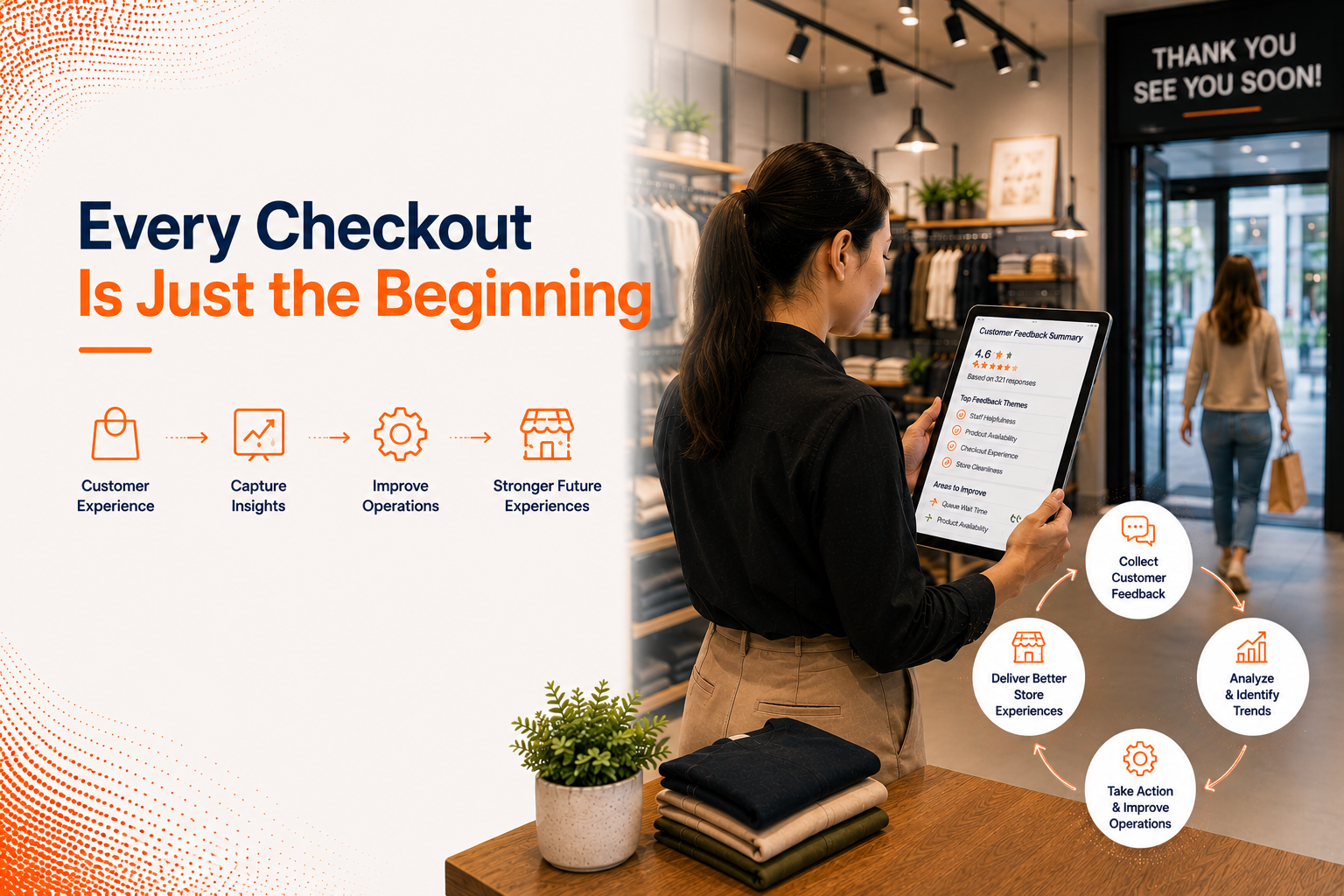
What Happens After a Customer Leaves the Store?
A customer's shopping journey may end at checkout, but retail operations continue long after they leave. Discover how leading retailers turn…
Read more