

What Happens After a Customer Leaves the Store?
A customer's shopping journey may end at checkout, but retail operations continue long after they leave. Discover how leading retailers turn customer interactions into operational improvements that strengthen future store experiences.
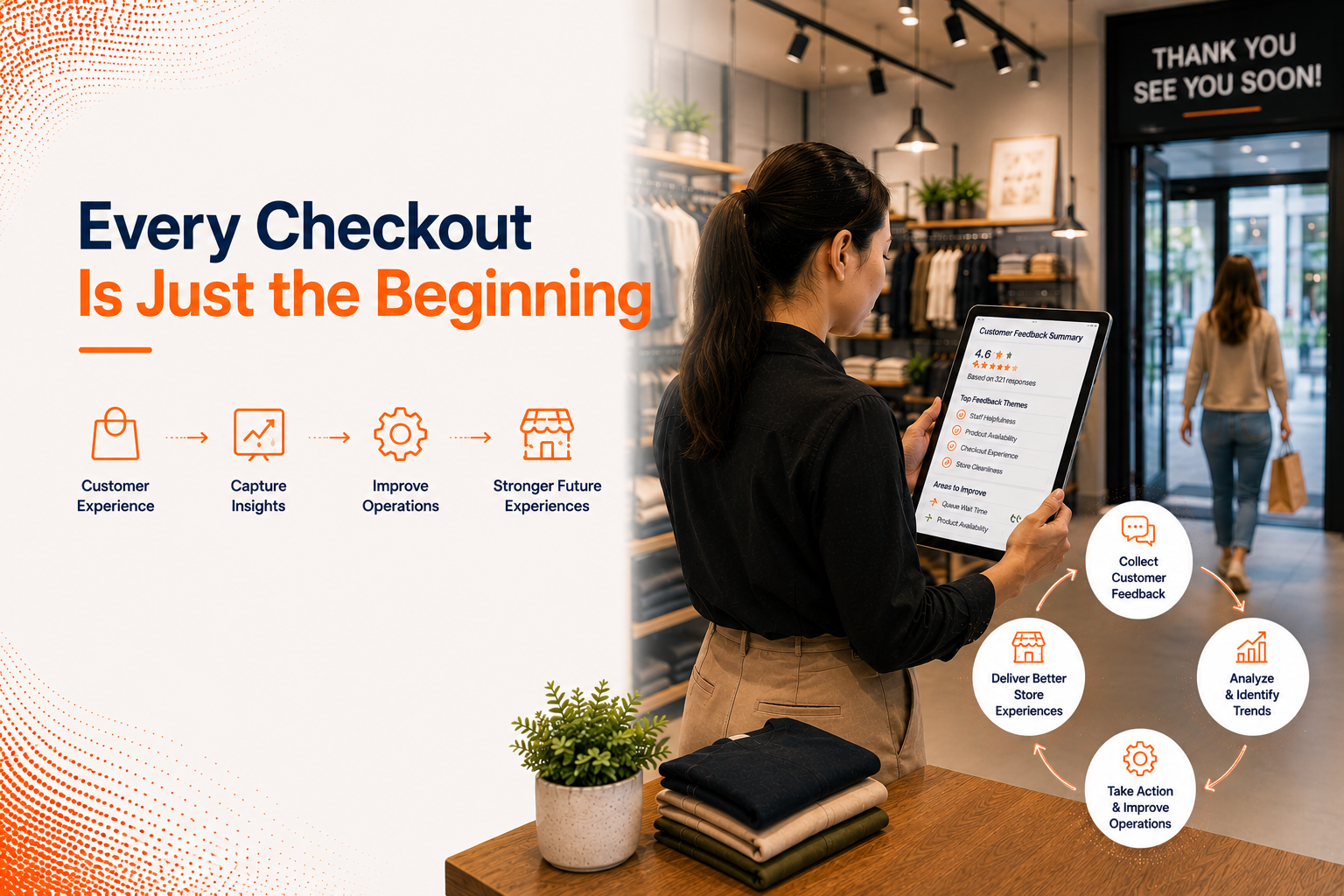
Every retailer works hard to create a great in store experience.
But what happens after the customer walks out?
For many retailers, that is when one of the most valuable operational processes begins.
Every customer interaction leaves behind useful information. A compliment confirms that something is working well. A complaint highlights an area that needs attention. Even when customers don't say anything, their shopping behaviour, purchase patterns, and store experience often reveal opportunities for improvement.
The strongest retail brands don't simply move on to the next customer. They learn from every interaction and use those insights to make their stores better every single day.
Every Customer Interaction Leaves Valuable Insights
Not every operational issue is obvious. Sometimes the signs are visible through customer feedback. At other times, they emerge from daily store operations.
Retail leaders bring together information from different sources to understand what is really happening across their stores. These insights commonly come from:
• Customer reviews and feedback.
• Store audits and compliance checks.
• Employee observations.
• Incident reports.
• Sales and inventory trends.
• Store manager observations.
Individually, these may seem like routine updates. Together, they help retailers identify recurring patterns before they become larger business problems.
Looking Beyond the Complaint
When an issue is reported, experienced retail leaders don't stop at fixing the immediate problem.
Instead, they focus on understanding why it happened.
For example, if customers frequently complain about long checkout queues, the issue may not be the checkout counter itself. It could be related to staffing levels during peak hours, inefficient shift planning, or an unexpected increase in customer traffic.
Rather than asking who made the mistake, successful retailers ask:
• Is this a one time issue or a recurring trend?
• Does it affect one store or multiple locations?
• What operational process needs improvement?
• How can we prevent this from happening again?
Finding the root cause helps businesses solve problems permanently instead of repeatedly addressing the same symptoms.
Turning Insights Into Meaningful Action
Collecting information has little value unless it leads to improvement.
Depending on the situation, this could include:
• Updating standard operating procedures.
• Improving merchandising execution.
• Resolving maintenance issues.
• Adjusting workforce schedules.
• Improving stock replenishment.
• Updating operational checklists.
Small operational improvements implemented consistently across multiple stores often have a much greater impact than large one time initiatives.
Better Processes Need Better Communication
Operational improvements only work when employees understand what has changed.
Introducing a new process without communicating it clearly often creates inconsistency across stores.
That's why leading retailers reinforce improvements through regular communication and ongoing learning. This may include:
• Team briefings.
• Refresher training.
• Updated SOPs.
• Manager coaching.
• Performance reviews.
Keeping employees informed ensures improvements become part of everyday operations rather than temporary changes.
Small Improvements Create Better Customer Experiences
Customers rarely notice the operational work happening behind the scenes. What they do notice is the outcome.
Over time, continuous improvements lead to:
• Better product availability.
• Faster service.
• More accurate promotional execution.
• Cleaner and better organised stores.
• More confident employees.
• A more consistent shopping experience across locations.
These are often the result of hundreds of small operational improvements rather than one major transformation.
Continuous Improvement Is a Competitive Advantage
Retail operations are never truly finished.
Customer expectations evolve.
New products are introduced.
Promotions change.
Store teams grow.
Business priorities shift.
The retailers that consistently deliver exceptional experiences are the ones that treat improvement as an ongoing process rather than an occasional initiative.
They don't wait for major problems before taking action. Instead, they continuously listen, analyse, improve, and measure.
That discipline enables them to maintain consistency across every location while adapting to changing customer expectations.
Final Thoughts
Customers may believe their shopping journey ends when they leave the store.
For retailers, it marks the beginning of an important learning opportunity.
Over time, these improvements become almost invisible to shoppers. They simply experience stores that are better organised, better prepared, and more consistent every time they visit.
That is the operational cycle customers never see, but it is one of the most important drivers of long term retail success.
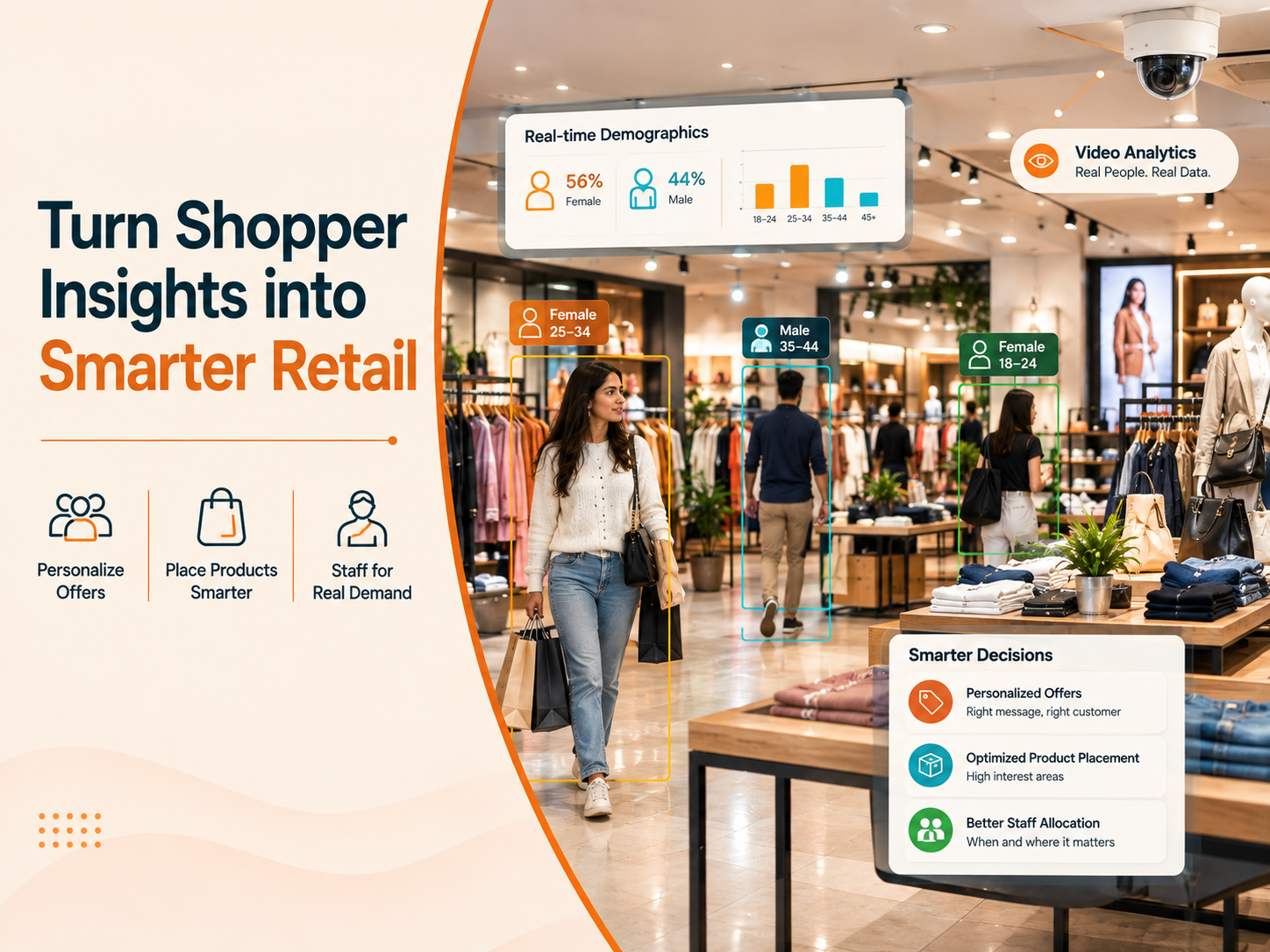
How Video Analytics Reveals Who's Actually Walking Into Your Store
Discover how AI video analytics helps retailers gain real time demographic insights, understand visitor patterns, personalise offers, optimi…
Read more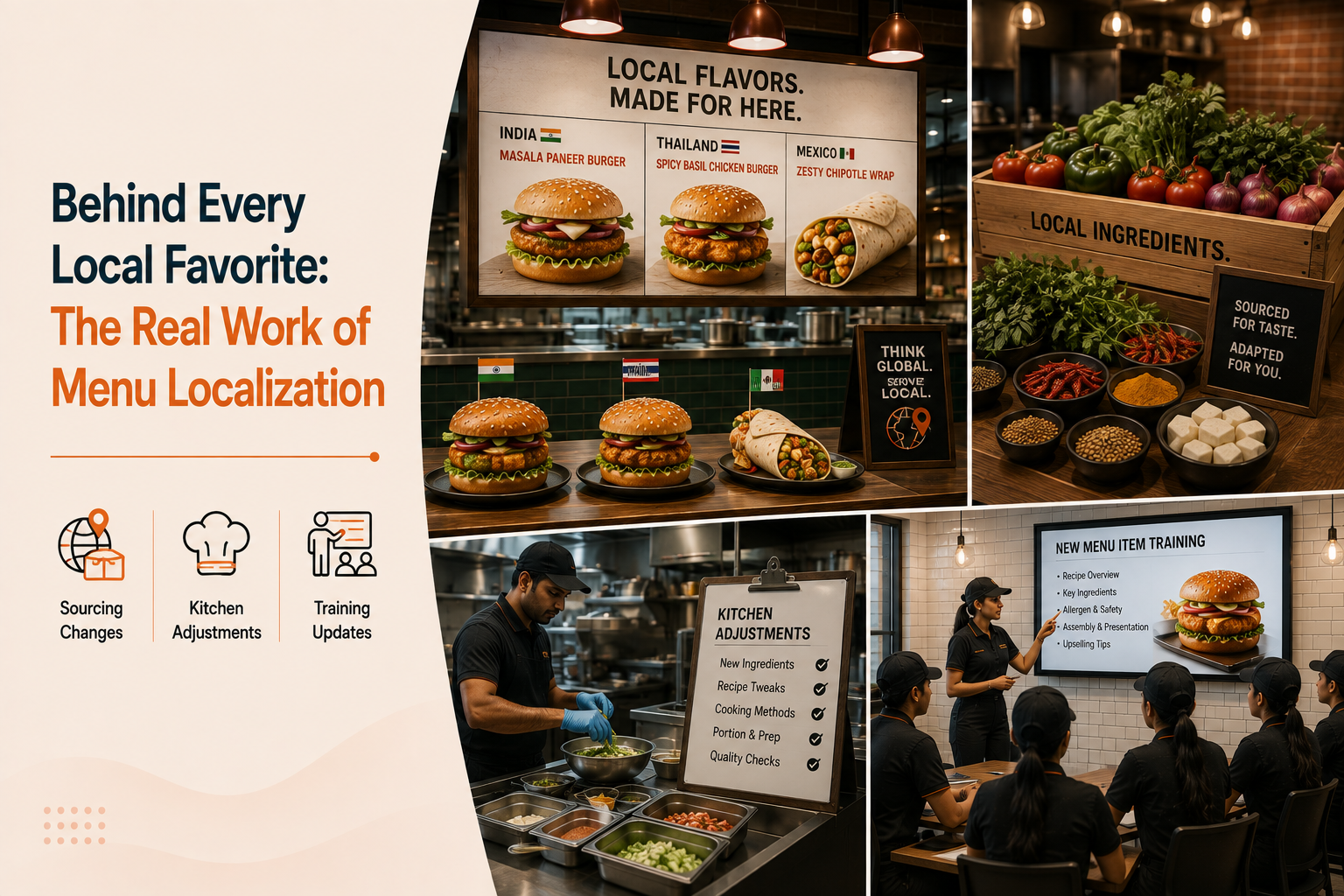
How QSR Brands Adapt Menus for Different Markets and Cities
Menu localization isn't just a new item on the board. Here's the sourcing, kitchen, and training changes that actually happen behind a regio…
Read more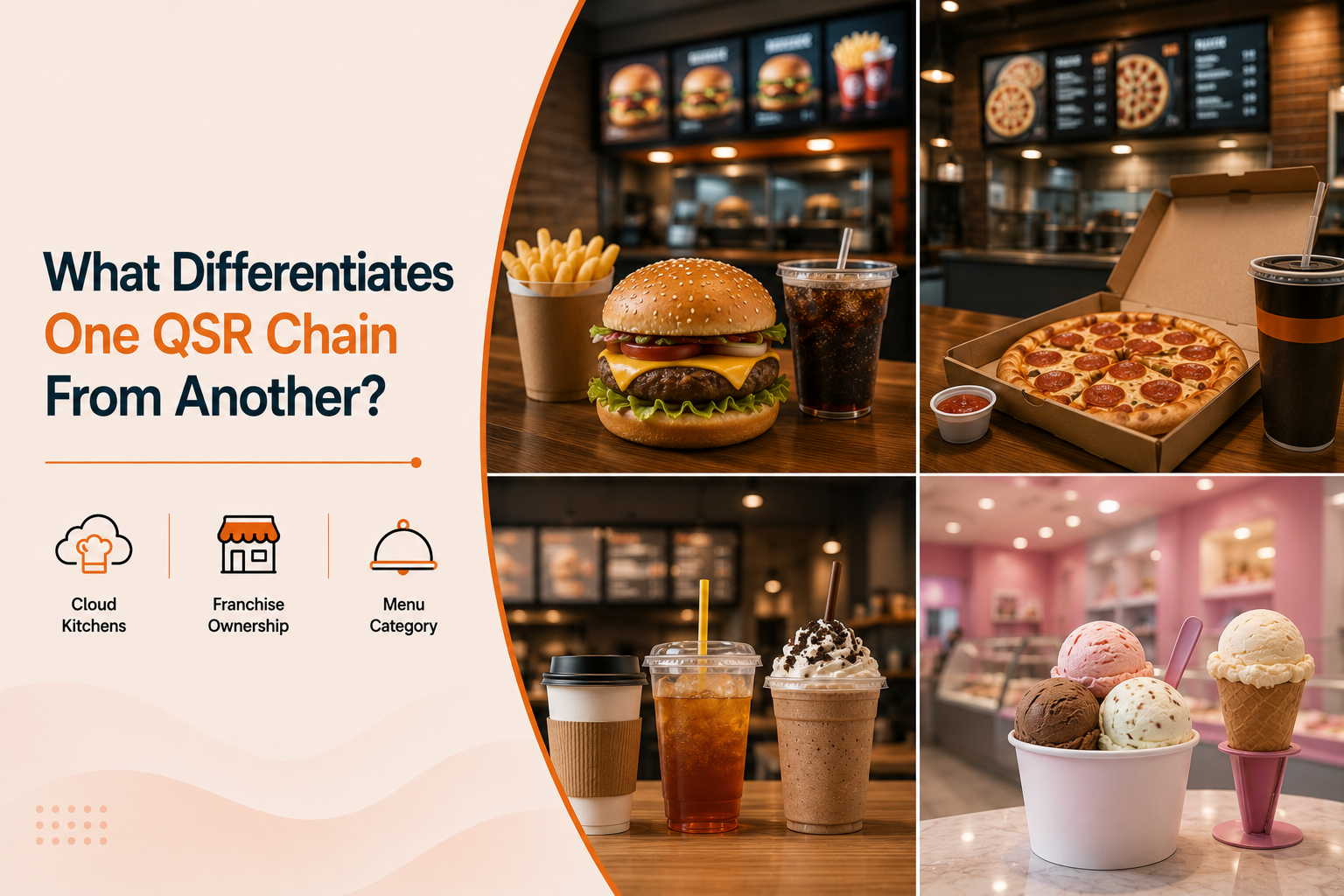
What Makes One QSR Chain Different From Another?
From cloud kitchens to franchise ownership to menu category, a breakdown of what actually differentiates one QSR chain from another, and wha…
Read more