

Behind Every Great Retail Experience Is a Thousand Operational Decisions
A great retail experience doesn't happen by chance. Behind every well-run store are hundreds of operational decisions made by retail leaders every day. This blog explores the invisible work that keeps multi-location retail businesses consistent, efficient, and customer-focused.
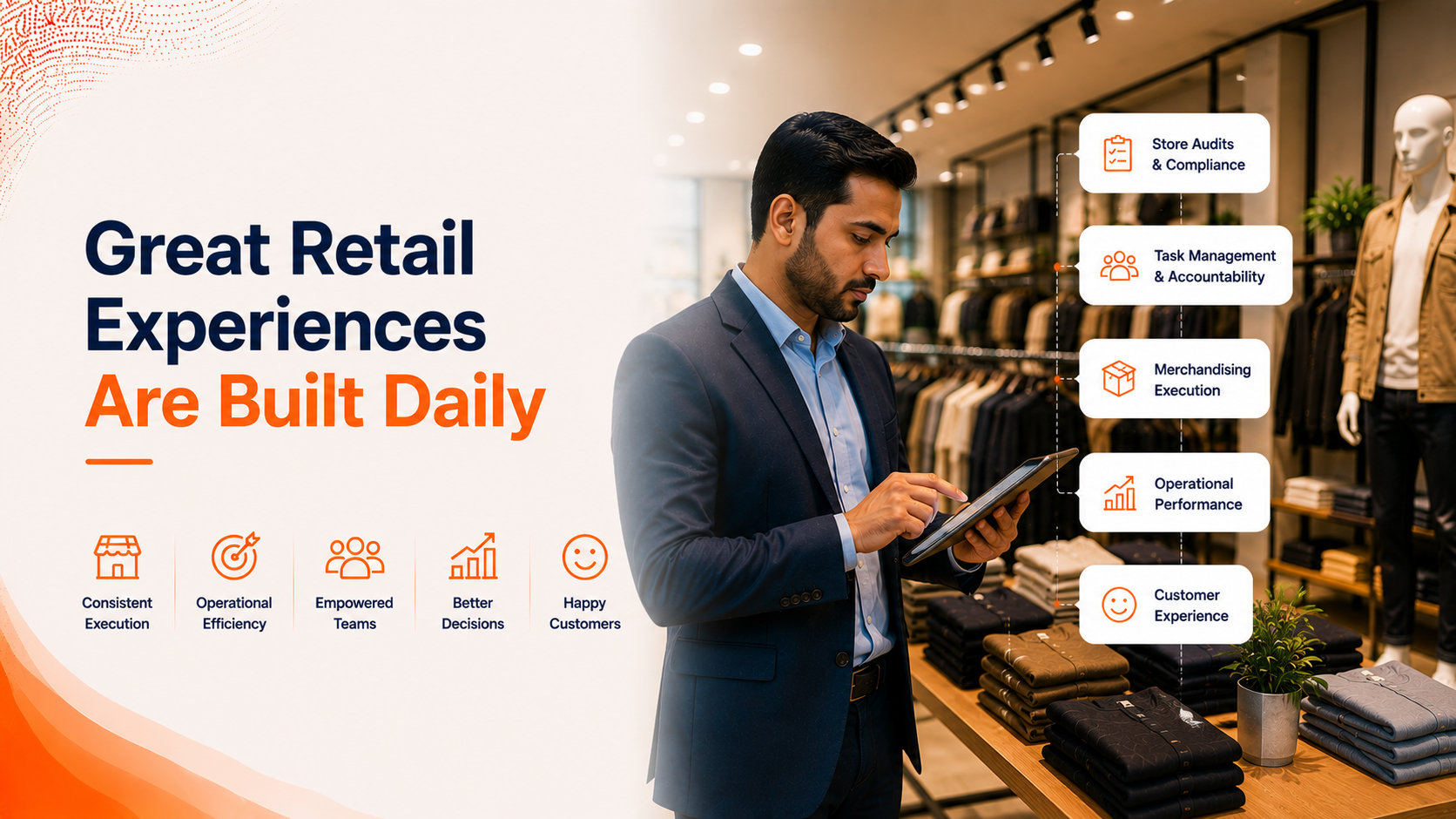
Walk into a well run retail store and everything appears effortless.
Products are available, promotional displays are in place, employees know what needs to be done, checkout queues move efficiently, and the store feels clean and organized.
For customers, it is simply a good shopping experience.
For retail leaders, it is the outcome of hundreds of operational decisions made every single day.
Operational excellence is not built when customers walk into the store. It is built long before the doors open and continues long after the last customer leaves.
The most successful retail businesses know that consistency is built through disciplined execution, not chance.
The Day Starts Long Before the Doors Open
Before the first customer enters, numerous operational decisions have already shaped the day ahead.
- Operations teams have planned staffing based on expected footfall.
- Store managers have reviewed opening routines.
- Deliveries have been scheduled.
- Promotional campaigns have been prepared.
- Critical operational checks have been completed.
- Maintenance requests have been reviewed.
Individually, each decision seems routine. Together, they determine how efficiently every store operates throughout the day.
Growth Brings Complexity, Not Just More Stores
Running one high performing store is challenging.
Running fifty, one hundred, or several hundred stores consistently is an entirely different responsibility.
- Every location operates under different conditions.
- Some experience higher customer traffic.
- Others face staffing shortages.
- Seasonal demand varies by region.
- Unexpected maintenance issues arise.
- Local customer preferences influence buying behaviour.
Despite these differences, customers expect the same experience every time they visit. As retail networks grow, leadership shifts from managing individual stores to managing operational consistency across an entire network.
Looking Beyond Individual Store Problems
A delayed store opening or a missed audit rarely defines overall operational performance.
The real value lies in identifying recurring patterns.
Retail leaders constantly ask questions such as:
• Are the same stores repeatedly missing operational standards?
• Which regions consistently outperform others?
• Are promotional execution issues isolated or recurring?
• Which operational issues are taking the longest to resolve?
• Where are recurring bottlenecks slowing execution?
Looking beyond isolated incidents allows leadership teams to address root causes instead of repeatedly solving the same problems.
Retail Success Is Always a Team Effort
Consistent store execution depends on multiple teams working together.
- Operations teams maintain execution standards.
- HR teams ensure stores are adequately staffed.
- Merchandising teams coordinate promotions and product displays.
- Supply chain teams keep products available when customers need them.
- Facilities teams resolve maintenance issues before they affect operations.
- Regional managers provide guidance, monitor performance, and support stores that require attention.
When these functions operate in alignment, stores perform consistently. When communication breaks down, operational gaps become visible to customers.
Visibility Turns Information Into Better Decisions
Retail businesses generate operational information every day.
- Audit reports.
- Task completion records.
- Store visits.
- Incident logs.
- Sales reports.
- Customer feedback.
- Inventory updates.
The challenge is not collecting more information. The challenge is understanding what requires immediate attention, what can wait, and where leadership should focus first.
Operational visibility enables retail leaders to move from reacting to individual issues to managing performance across the business with confidence.
The Best Retail Teams Plan Ahead
The strongest retail organizations spend as much time preparing for tomorrow as they do managing today.
Their focus extends beyond daily operations.
They continuously plan for:
• Seasonal demand.
• New product launches.
• Promotional campaigns.
• Workforce availability.
• Compliance updates.
• Preventive maintenance.
Forward planning reduces disruption, improves execution, and allows stores to adapt more effectively when unexpected challenges arise.
Customers Experience the Results, Not the Process
Customers never see the opening checklist completed before the store opened. They do not see the maintenance issue resolved before it became a problem. They do not know that a replenishment task prevented empty shelves during peak shopping hours.
They simply remember whether their shopping experience was smooth, convenient, and enjoyable. That is the outcome of strong operational execution.
When operations work well, customers rarely notice them. They simply trust the brand.
What High Performing Retail Businesses Have in Common
Regardless of size or format, successful retail businesses share several operational characteristics.
• They standardize execution across every location.
• They make decisions using operational insights instead of assumptions.
• They identify trends before they become larger problems.
• They encourage collaboration across departments.
• They focus on continuous operational improvement rather than one time fixes.
• They balance consistency with the flexibility needed to support individual stores.
These practices help retailers deliver a reliable customer experience while maintaining operational efficiency as they grow.
Final Thoughts
Sales figures, customer satisfaction scores, and business growth are often seen as the measures of retail success. Behind each of these outcomes are hundreds of operational decisions made every day.
From workforce planning and inventory coordination to compliance, store readiness, maintenance, and promotional execution, every decision contributes to the experience customers have in the store.
As retail businesses continue to expand across locations and markets, the ability to make informed operational decisions at scale will become one of the strongest competitive advantages a brand can build.
The stores customers remember are rarely the ones with the biggest budgets. They are the ones where great operations quietly happen behind the scenes every single day.
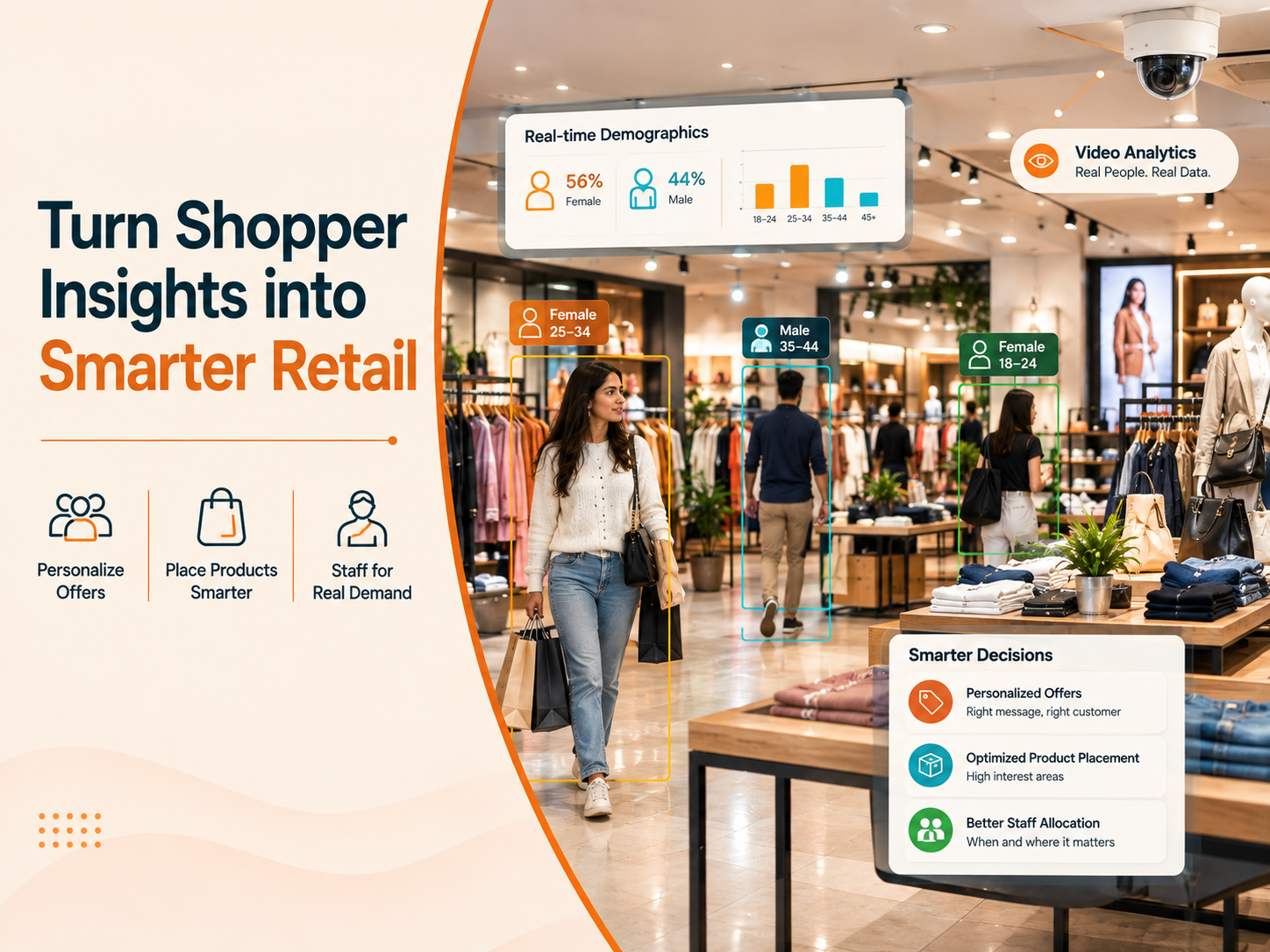
How Video Analytics Reveals Who's Actually Walking Into Your Store
Discover how AI video analytics helps retailers gain real time demographic insights, understand visitor patterns, personalise offers, optimi…
Read more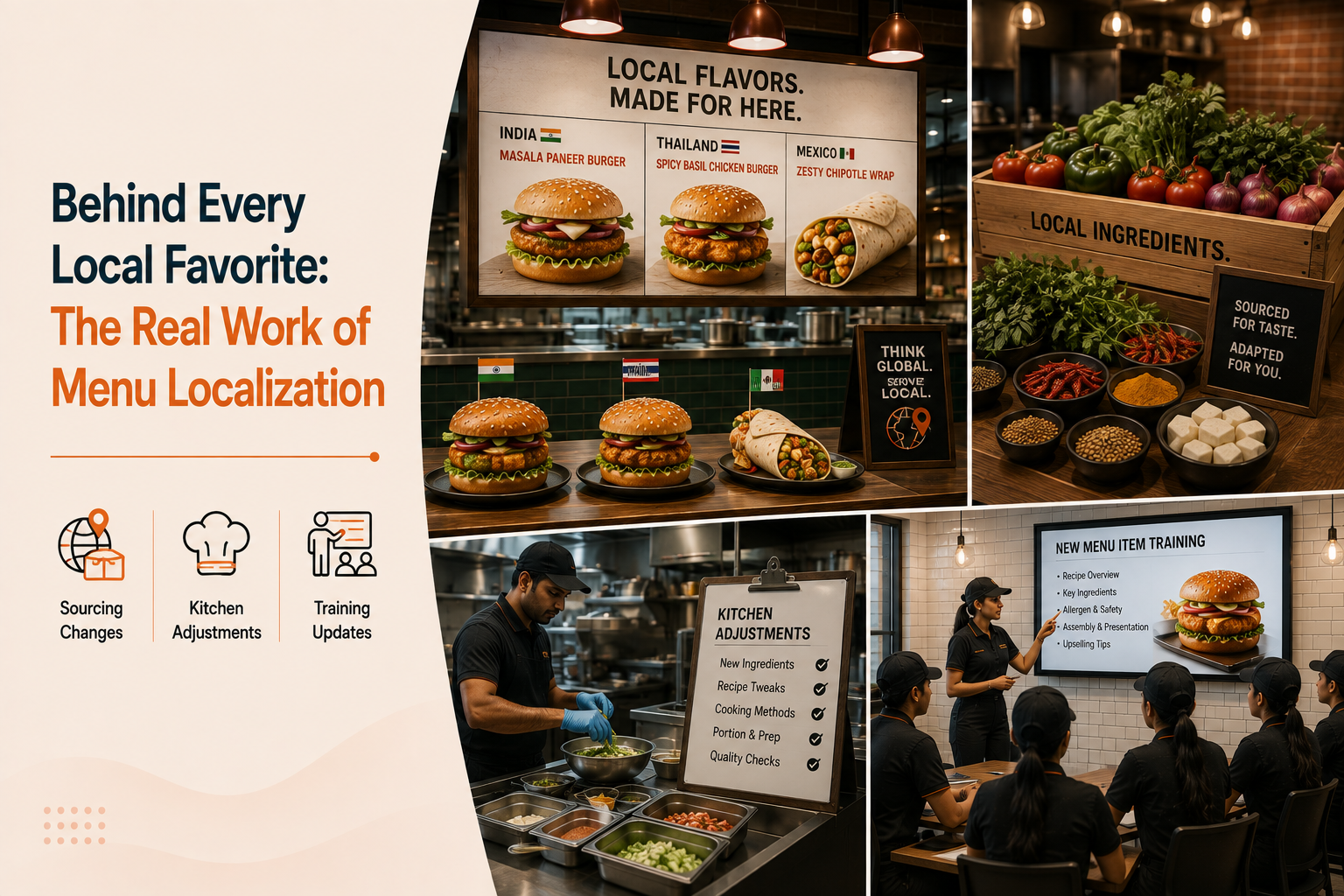
How QSR Brands Adapt Menus for Different Markets and Cities
Menu localization isn't just a new item on the board. Here's the sourcing, kitchen, and training changes that actually happen behind a regio…
Read more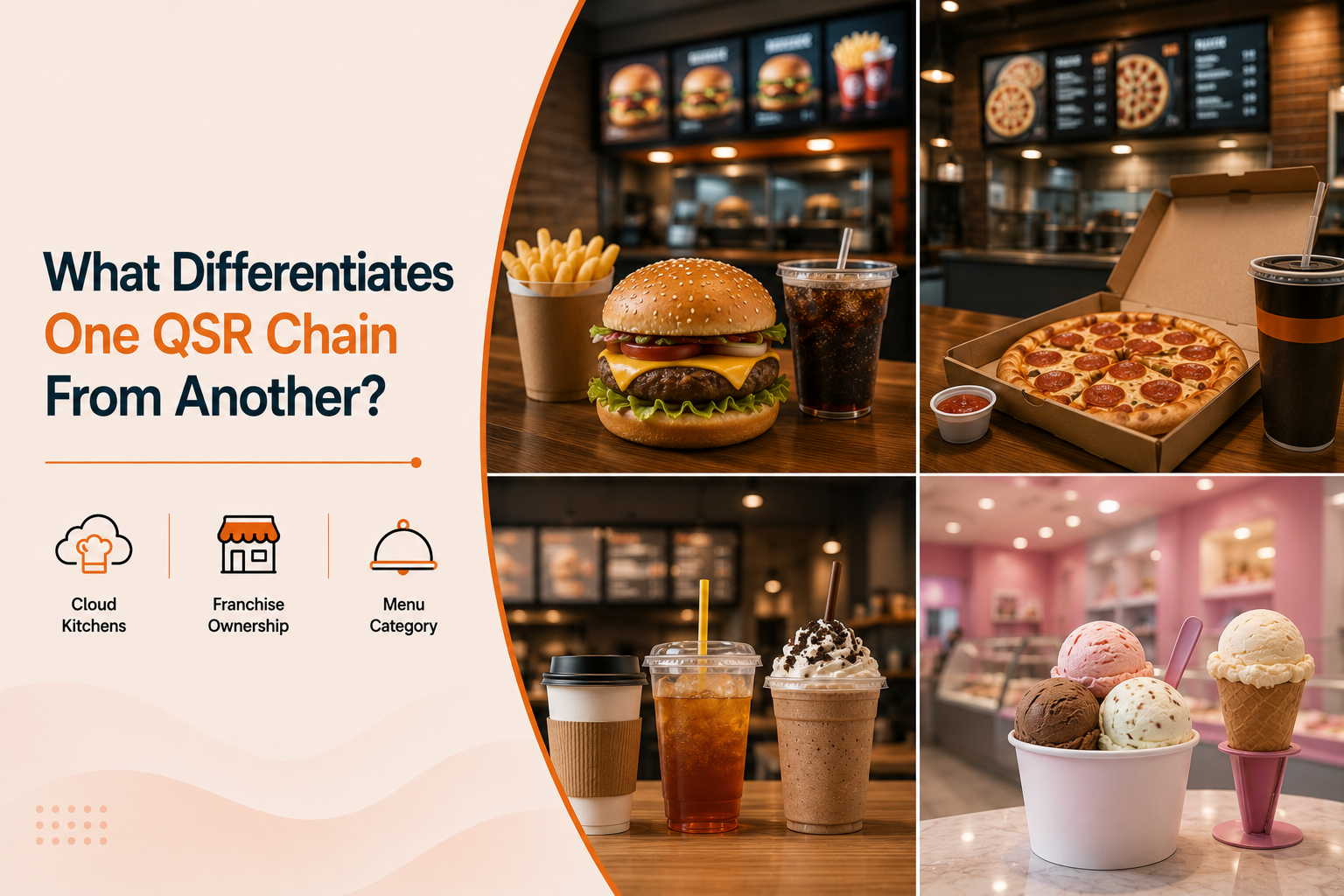
What Makes One QSR Chain Different From Another?
From cloud kitchens to franchise ownership to menu category, a breakdown of what actually differentiates one QSR chain from another, and wha…
Read more