

Why Store Execution Is Becoming a Competitive Advantage in Modern Retail
Discover why store execution is becoming a competitive advantage for modern retailers. Learn how customer expectations, omnichannel retail, workforce challenges, and technology are reshaping retail operations.
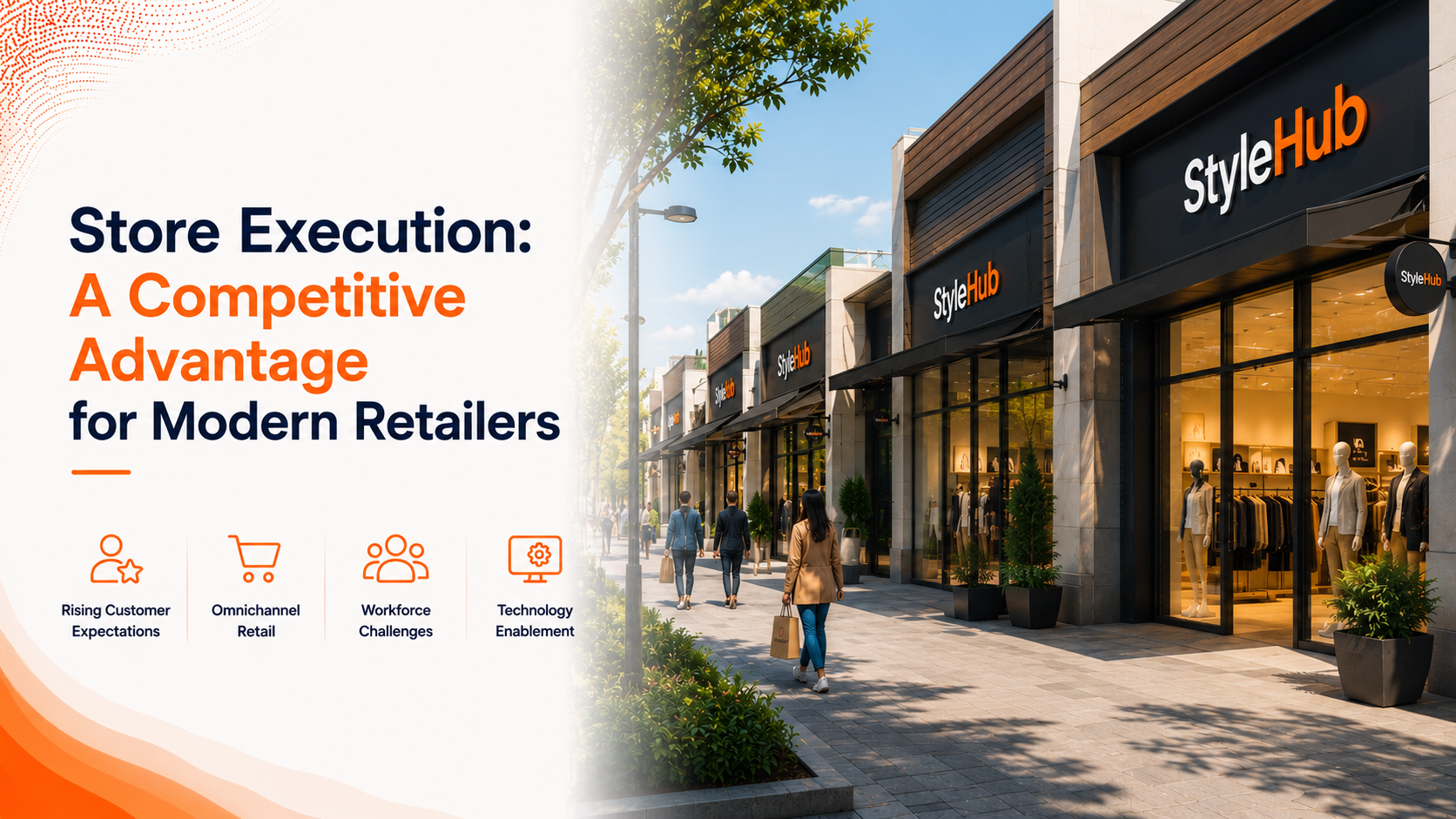
Not long ago, retailers competed primarily on product assortment, pricing, and store location.
While these factors continue to influence purchasing decisions, they are no longer enough to stand out in today's competitive retail landscape.
Customers expect a consistent shopping experience regardless of which store they visit. Promotional campaigns change more frequently, store teams must adapt quickly, and retailers are expected to deliver seamless experiences across both physical and digital channels.
In this environment, store execution has evolved from an operational necessity into a competitive advantage.
Industry research consistently highlights that customers increasingly value consistency across every interaction with a brand. At the same time, leading retail studies suggest that organizations with standardized operational processes and data-driven decision-making are better positioned to improve efficiency, customer satisfaction, and long-term business performance.
Retail Is Evolving Faster Than Ever
Retail has undergone significant transformation over the last decade.
Today's retailers are managing far more than traditional in-store operations. They are adapting to changing customer behaviors, new fulfillment models, faster product launches, and increasingly competitive markets.
Some of the biggest changes include:
• The rapid growth of omnichannel shopping.
• More frequent promotional campaigns and product launches.
• Greater customer expectations for convenience and consistency.
• Increased pressure to optimize operational costs.
• Expansion into larger multi-store networks.
These changes have made operational consistency more important than ever before.
1. Customers Expect the Same Experience at Every Store
Customers don't differentiate between one store and another, they see one brand.
Whether they visit a flagship store in a metro city or a smaller outlet in another location, they expect:
• Accurate pricing.
• Well-stocked shelves.
• Friendly and knowledgeable staff.
• Clean and organized stores.
• Promotions that match what was advertised.
Even small inconsistencies can influence customer perception and impact brand loyalty.
Consistent store execution helps ensure that every customer receives the same experience, regardless of where they shop.
2. Omnichannel Retail Has Raised the Bar
Modern stores are no longer just places where customers purchase products.
Many now support services such as:
• Click and Collect.
• In-store returns.
• Ship-from-store fulfillment.
• Endless aisle ordering.
• Online order pickups.
Each additional service introduces new operational processes that must be executed consistently.
As stores take on more responsibilities, operational excellence becomes essential to delivering a seamless omnichannel experience.
3. Workforce Challenges Are Making Standardization More Important
Retail continues to experience high employee turnover, making it difficult for businesses to maintain consistent operational standards.
Industry reports frequently identify workforce retention and onboarding as major challenges for retailers.
With new employees joining regularly, businesses cannot rely solely on experience or informal knowledge sharing.
Instead, standardized operating procedures, structured training, and clearly defined processes become essential for ensuring consistency across every location.
4. Rising Operating Costs Leave Less Room for Operational Errors
Retailers today face increasing pressure from higher labor costs, inventory expenses, energy prices, and shrinking profit margins.
In this environment, operational mistakes become more expensive.
Examples include:
• Incorrect pricing leading to revenue loss.
• Delayed promotional execution reducing campaign effectiveness.
• Poor inventory visibility causing stockouts.
• Inconsistent processes resulting in rework and wasted time.
Reducing these operational inefficiencies helps retailers improve productivity while protecting profitability.
5. Promotions Move Faster Than Ever Before
Retail promotions are becoming increasingly dynamic.
Seasonal campaigns, flash sales, new product launches, and festive promotions require stores to execute changes quickly and accurately.
Successful campaigns depend on every store being ready on time.
When promotions are executed consistently across all locations, retailers can maximize customer engagement and campaign performance.
6. Consistency Has Become a Brand Differentiator
Today's customers remember experiences just as much as they remember products.
Retailers that consistently deliver the same standards across every location are more likely to build trust and long-term customer loyalty.
Consistent execution contributes to:
• Stronger brand perception.
• Better customer satisfaction.
• Greater customer confidence.
• Improved operational discipline.
Over time, these advantages become difficult for competitors to replicate.
7. Technology Is Redefining Store Execution
Retail operations are becoming increasingly data-driven.
Instead of relying on paper checklists, spreadsheets, and manual follow-ups, retailers are adopting digital tools to improve visibility and accountability.
Technology is helping retail teams:
• Standardize operating procedures.
• Digitize operational audits.
• Improve communication between head office and stores.
• Monitor execution in real time.
• Track corrective actions.
• Identify operational trends through reporting and dashboards.
Rather than replacing store teams, technology enables them to work more efficiently and make better operational decisions.
The Future of Retail Operations
As retail continues to evolve, store execution will play an even greater role in business success.
Retailers that invest in standardized processes, operational visibility, employee readiness, and continuous improvement will be better equipped to adapt to changing customer expectations and market conditions.
The focus is shifting from simply managing stores to ensuring every store consistently delivers on the brand promise.
That consistency is what will separate high-performing retailers from the rest.
Looking Ahead
Understanding why store execution matters is only one part of the journey.
The next step is knowing how to measure it.
In the next blog, we'll explore 12 Store Execution KPIs Every Retail Operations Team Should Track and how these metrics help identify improvement opportunities, benchmark performance, and drive operational excellence across every location.
Conclusion
Retail has become more competitive, more complex, and more customer-centric than ever before. Success is no longer determined solely by product assortment or pricing.
It is increasingly defined by how consistently retailers execute their strategies across every store, every day. Store execution has evolved into a strategic capability that influences customer experience, operational efficiency, employee productivity, and long-term business growth.
Retailers that recognize this shift and invest in operational consistency will be better positioned to compete in the future of retail.
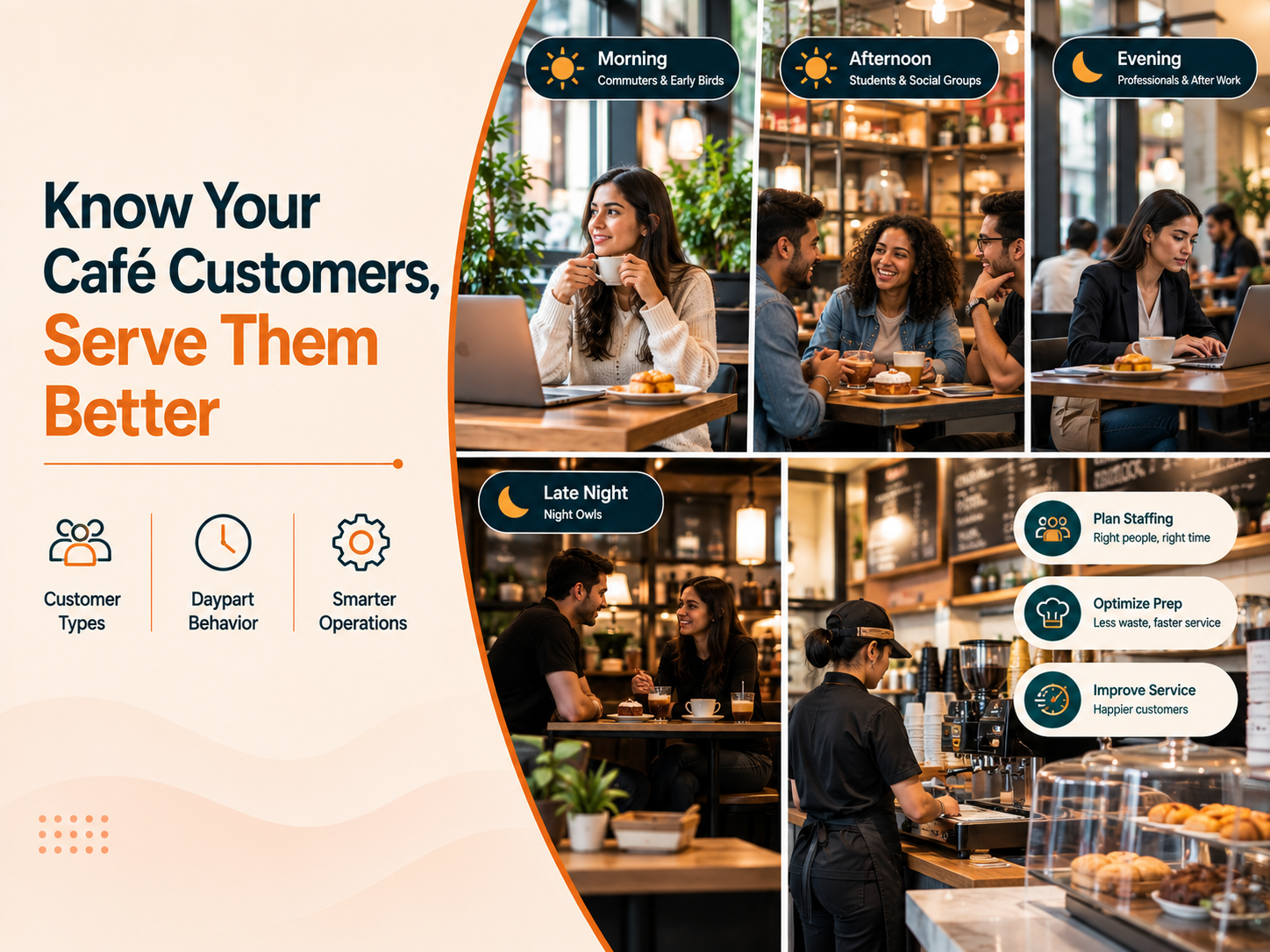
Types of Café Customers and How They Affect Café Operations
Learn the main types of café customers, how their behavior changes by daypart, and how cafés can use these patterns to improve staffing, pre…
Read more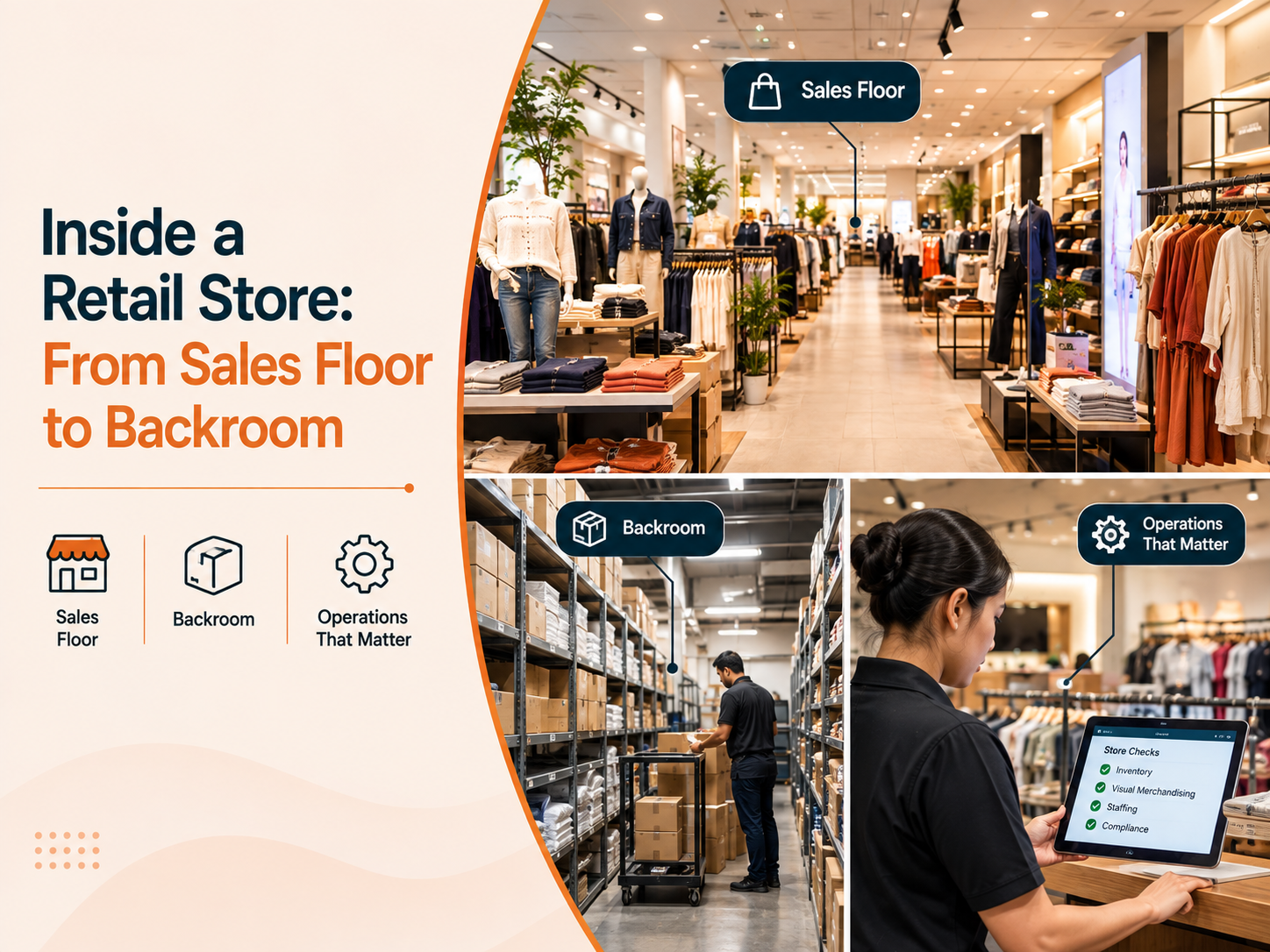
What Happens in Every Section of a Retail Store & Why the Backroom Matters Most
This post breaks down every section of a retail store, what each one is actually responsible for, and which one carries more operational wei…
Read more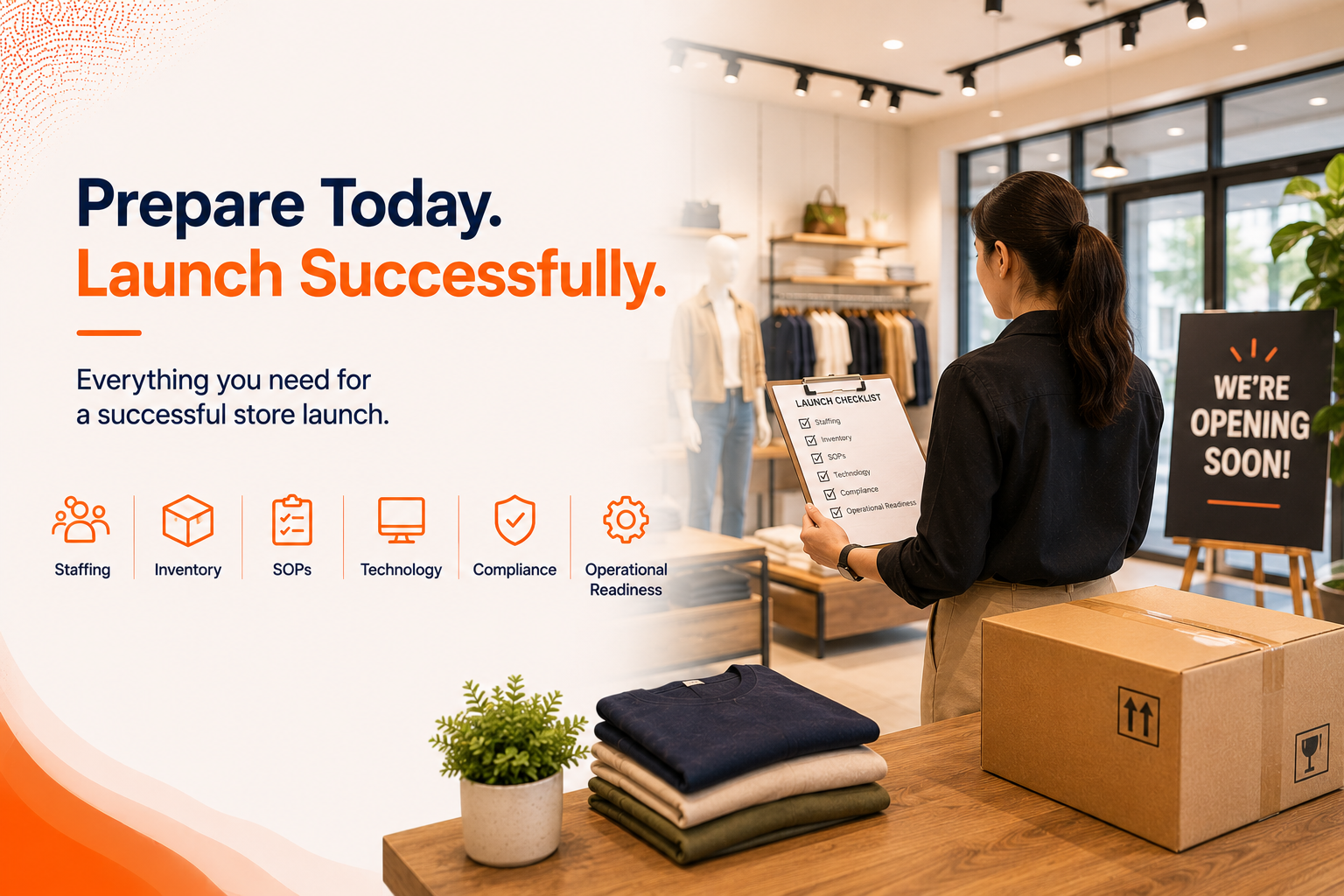
How to Prepare a New Retail Store for a Successful Launch
Planning to open a new retail store? Learn how to prepare your store for a successful launch with best practices for staffing, inventory, SO…
Read more