

How Video Analytics Reveals Who's Actually Walking Into Your Store
Discover how AI video analytics helps retailers gain real time demographic insights, understand visitor patterns, personalise offers, optimise product placement, and improve customer experiences.
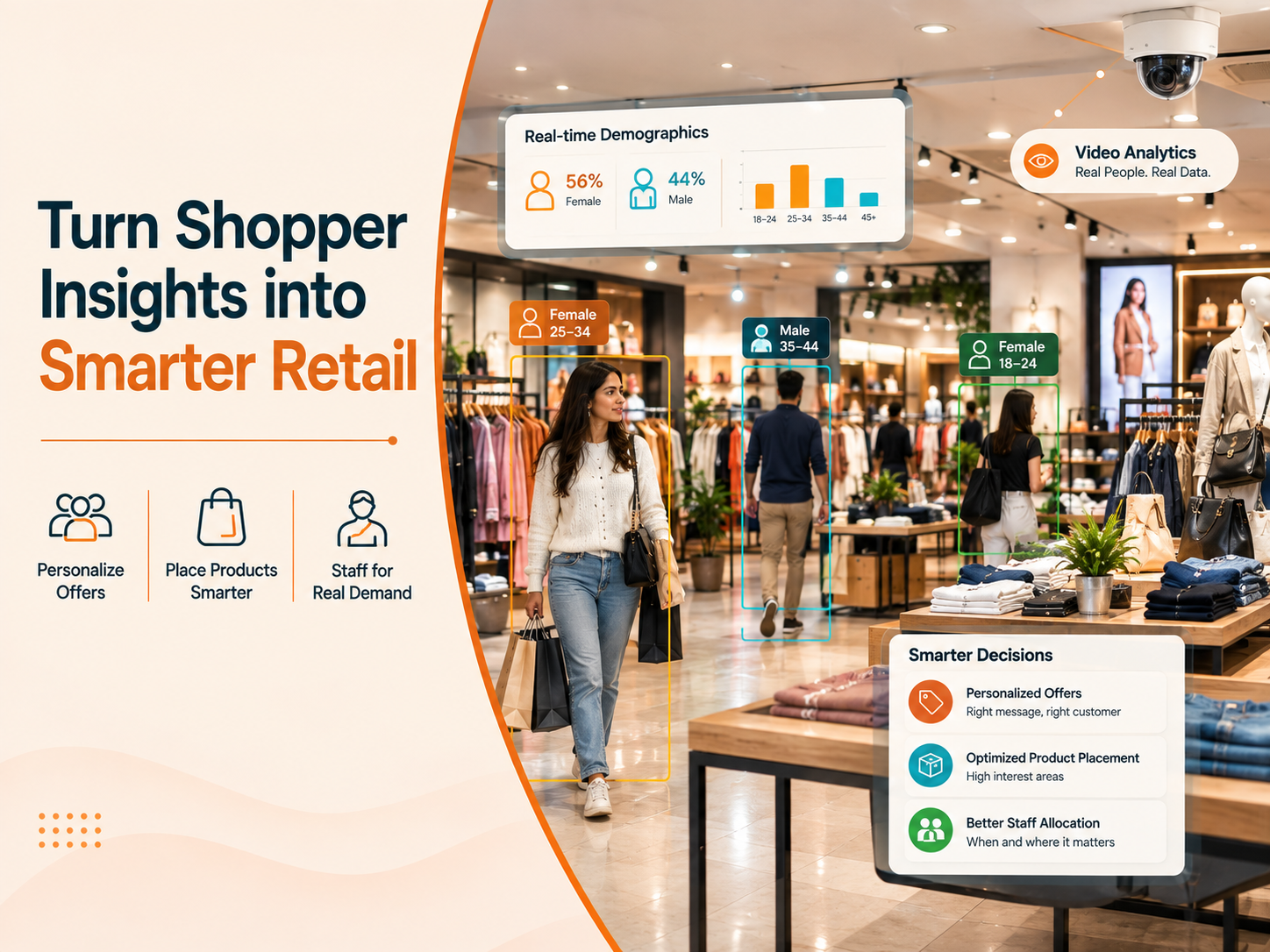
Most retail decisions, what to stock near the entrance, which promotion to run this week, who to schedule for a Saturday shift, are still made on instinct. A manager's general sense of "we get a lot of families on weekends" or "evenings skew younger" is usually directionally right, and almost never precise enough to act on with confidence.
Video analytics changes that by turning footfall into actual demographic data, age range and gender distribution, captured in real time as people move through a store, anonymized and aggregated rather than tied to any individual identity. Retail analytics research suggests demographic data already makes up the single largest category of information retailers try to collect, roughly 71% of what's gathered, which says a lot about how much retailers already know they need this, even when most still don't have a reliable way to capture it.
In Simple Terms, What Is This Actually Doing?
Think of it less like a security camera and more like an extremely attentive, tireless doorperson, one who can't recognize anyone individually, doesn't know anyone's name, but can glance at every person walking in and note a rough age range and gender, then tally that up across the whole day, every day, without ever getting tired or distracted.
That's the entire idea. No one is identified. Nothing is stored about who a specific visitor is. What comes out the other end is simple: how many people visited, what the rough age and gender mix looked like, and when. The sophistication is in doing this accurately, consistently, and at a scale no human standing at the door could realistically manage.
Why Age and Gender Specifically Matter in Retail
This isn't a new idea, retail and marketing have built strategy around age and gender for decades. What's new is being able to measure it accurately, in real time, inside a physical store rather than guessing or extrapolating from sales data alone.
A few familiar examples show just how differently brands already treat these groups, even without real-time store data to confirm it:
- Age: Sportswear brands have long run very different campaigns and product lines for younger, trend-driven segments compared to the more classic, comfort-focused styling that appeals to older shoppers. Skincare brands do something similar, built-out product ranges that shift from problem-specific, trend-led products for younger customers toward anti-aging and prevention-focused lines for older ones.
- Gender: Beauty retail has historically skewed its entire store experience, layout, signage, staff training, toward women, simply because that's who walked in most. That's shifting as more brands build for men, non-binary, and gender-diverse customers too, but the shift itself only works if a retailer actually knows who's walking in now, not who walked in five years ago.
The pattern across both is the same: brands have always known age and gender shape what customers want. What video analytics adds is the ability to confirm that pattern store by store, hour by hour, instead of relying on a national trend report that may not reflect what's actually happening at one specific location.
A Real Example: The Same Space, Completely Different Crowds
Consider a car showroom that tracked visitor demographics over several months. The data revealed a pattern no one had formalized before: Saturday mornings were dominated by families, while Tuesday evenings attracted mostly single visitors aged 30 to 50. Same showroom, same sales floor, two entirely different customer profiles depending on the day and hour.
Once that pattern was visible, staffing could actually match it, a sales approach built for family decision-making on Saturday mornings, and a faster, more direct consultative style for the Tuesday evening crowd. Without the data, both groups were getting the same generic approach, and probably not the right one for either.
A similar pattern plays out constantly in fashion and beauty retail too. A store near a college campus might see a predominantly younger, mixed-gender crowd browsing after class lets out, and a noticeably older, more female-skewing crowd shopping on weekday mornings. Without demographic tracking, both groups get the same mid-afternoon playlist, the same window display, and the same staff briefing, built for neither one specifically.
Personalizing Offers Based on Who's Actually in Front of You
Retailers that know their real-time visitor mix can tailor what's being promoted to match it, rather than running one generic promotion and hoping it resonates with whoever happens to walk in. A European electronics retailer, for example, uses demographic-based targeting to adjust in-store digital signage content for men and women differently, rather than displaying the same content to everyone passing by.
This also solves a problem most retail marketers know well: running a campaign aimed at a specific demographic, say, women aged 18 to 34, and having no reliable way to confirm whether that's actually who showed up in response. Demographic video data answers this directly, comparing the visitor mix before and after a campaign, rather than guessing whether the targeting worked.
Optimizing Product Placement With Real Visitor Patterns
Without demographic data, every merchandising decision is essentially a guess, which entrance men gravitate toward, which age group lingers longest in which zone, which displays actually get attention versus which ones get walked past. One documented finding puts a number on just how different behavior can be across demographics: dwell time near a given display can vary by as much as 2x between different visitor groups.
That's a significant enough gap to inform real layout decisions. A beauty retailer might find that a skincare display assumed to appeal broadly is actually holding the attention of a much older demographic than expected, while a younger crowd is clustering entirely around a different shelf, information that changes where each product line should actually sit, not just how it's advertised.
Staffing for the Customers Who Actually Show Up
This is the connection most demographic analytics content stops short of making: if a store's customer mix genuinely shifts by day and hour, the way the showroom and campus store examples show, staffing should shift with it too, not stay flat across the week regardless of who's actually coming in.
Matching the right staff expertise and the right headcount to the real, observed customer pattern is exactly the kind of demand-based planning workforce scheduling is built to support, replacing a manager's general impression of "weekends are busy" with an actual, data-backed pattern.
Privacy and Anonymization Matter Here
Worth stating plainly, especially for anyone wary of the words "facial detection": demographic video analytics, done properly, identifies patterns, not people. Faces are processed to estimate broad age and gender categories and then aggregated into statistics, individual identities aren't stored or tracked. This is what makes it fundamentally different from facial recognition systems built to identify specific individuals, and it's a distinction worth being explicit about with both customers and staff.
Where This Fits Into the Rest of Store Operations
Demographic insight on its own is interesting. Connected to the rest of a store's operations, staffing, merchandising, and the physical layout covered in our breakdown of every section of a retail store, it becomes something a manager can actually act on daily, rather than a report that gets glanced at once a month.
This is one part of a broader move toward AI-driven visibility inside physical stores, a topic worth returning to in more depth, including what else video analytics can detect beyond demographics, queue buildup, dwell time, loss prevention signals, in a future post.
Book a personalized demo to see how NymbleUp's AI Video Analytics turns real-time visitor demographics into decisions your team can actually act on.
FAQ
What are demographic insights in video analytics? Demographic insights refer to anonymized, aggregated data on visitor age range and gender, captured through video analytics at store entry points or across the floor, used to understand who is actually visiting a store, without identifying any individual.
Does demographic video analytics identify specific customers? No. It's designed to detect broad categories like age range and gender in aggregate, not to recognize or track individual identities, which is a key difference from facial recognition systems built for identification.
How can retailers use demographic data to improve operations? Common uses include personalizing in-store promotions and signage, optimizing product placement based on which zones different demographics engage with most, verifying whether marketing campaigns reached their intended audience, and matching staffing to the customer mix that actually shows up by day and hour.
Does customer demographic really vary that much by day or time? Yes, often significantly. Documented examples show the same physical space attracting completely different visitor profiles depending on the day and time, a pattern that's easy to miss without consistent, data-backed tracking.
How accurate is age and gender detection in video analytics? Accuracy varies by system and conditions, but the technology has matured significantly and continues to improve. It's built to estimate broad categories, age ranges and gender, in aggregate across many visitors, rather than make a precise judgment about any single person, which is also why it's used for pattern analysis rather than individual-level decisions.
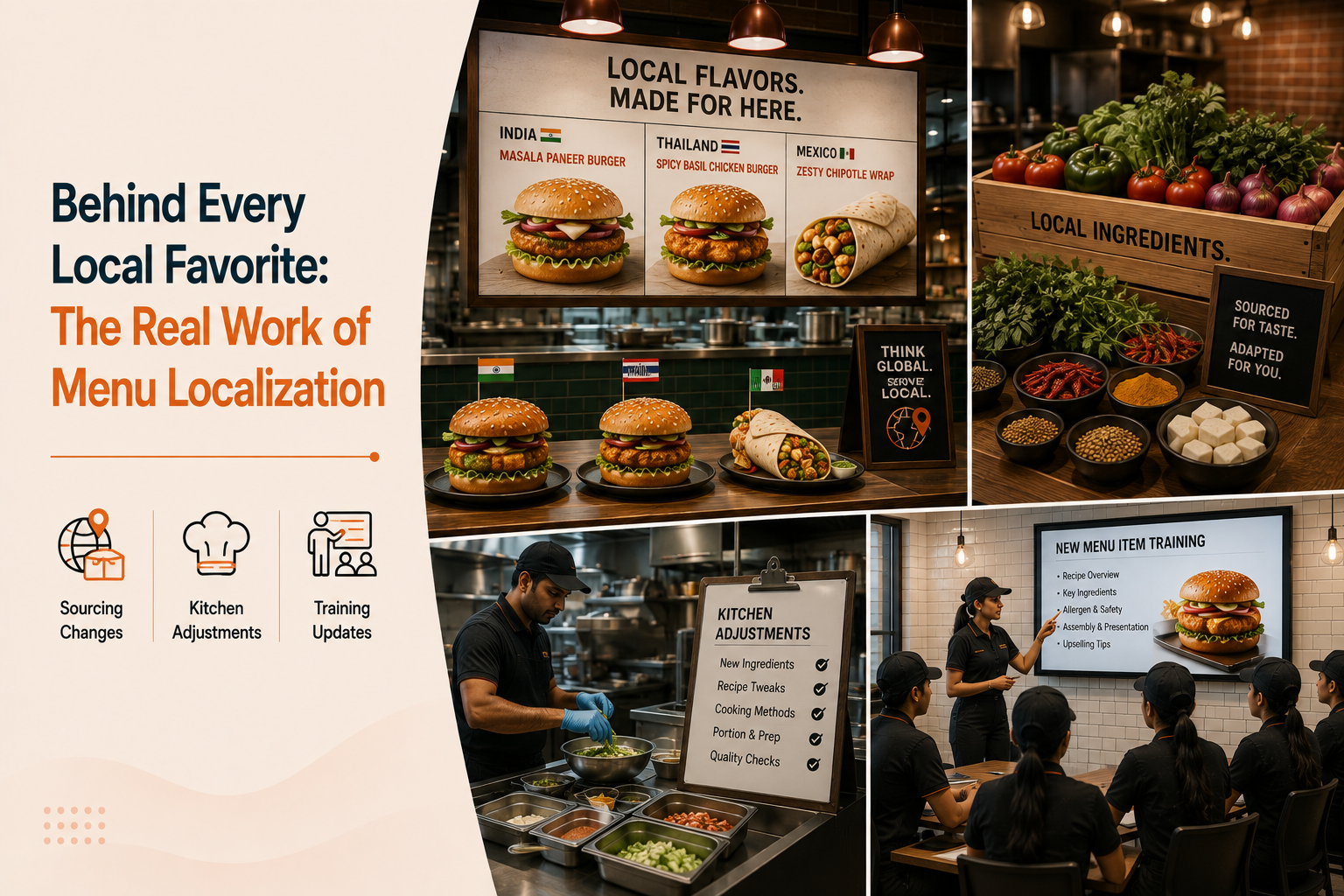
How QSR Brands Adapt Menus for Different Markets and Cities
Menu localization isn't just a new item on the board. Here's the sourcing, kitchen, and training changes that actually happen behind a regio…
Read more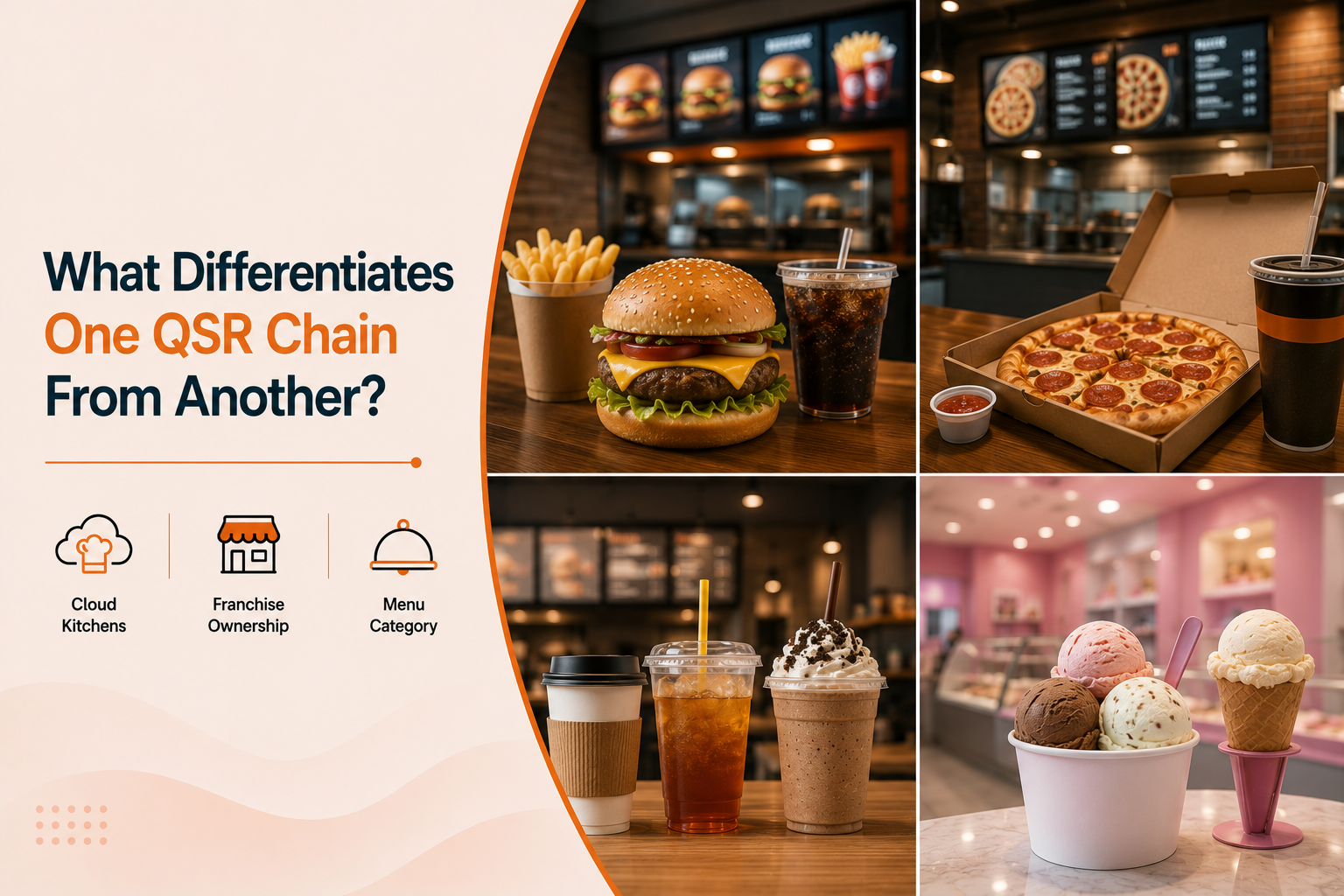
What Makes One QSR Chain Different From Another?
From cloud kitchens to franchise ownership to menu category, a breakdown of what actually differentiates one QSR chain from another, and wha…
Read more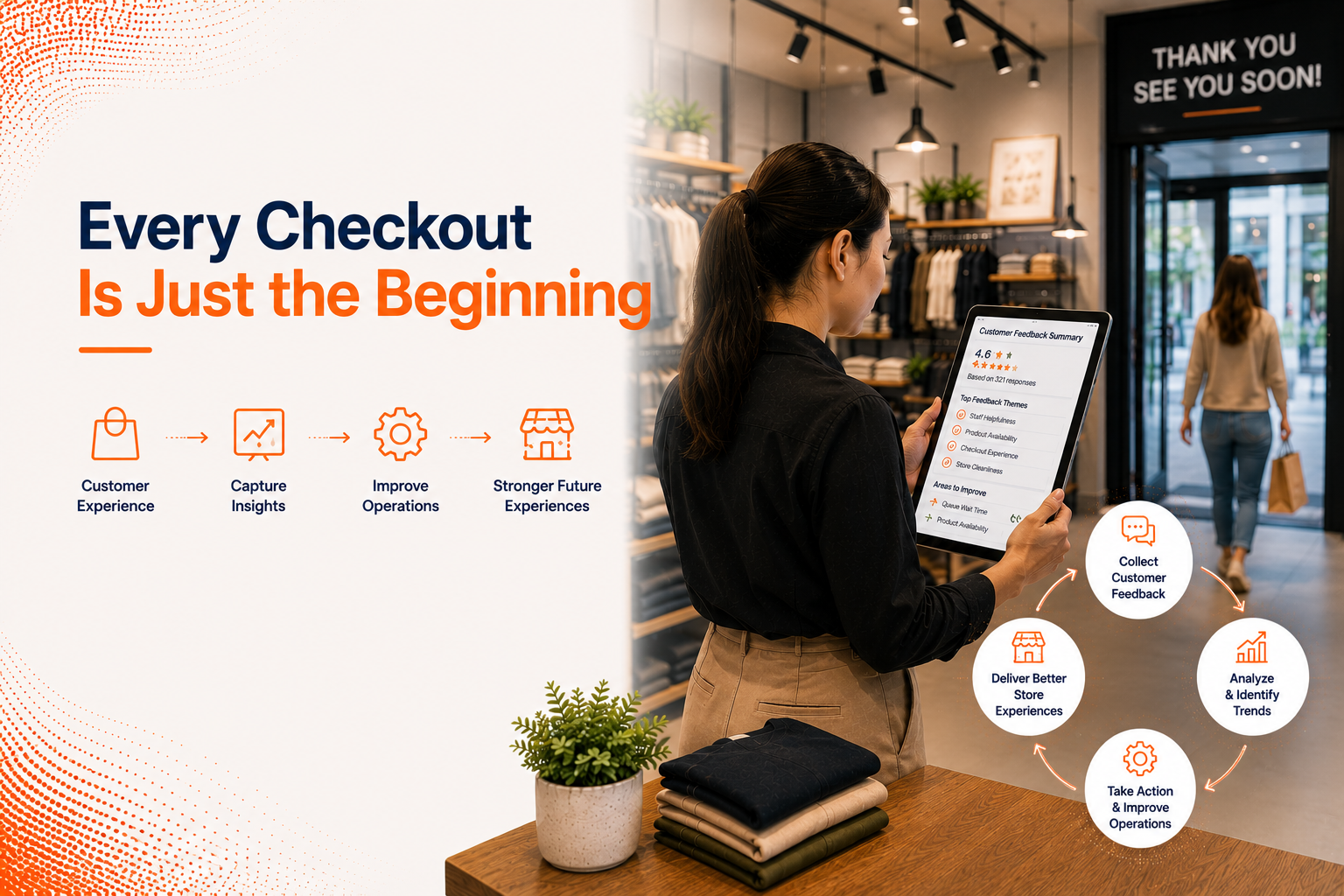
What Happens After a Customer Leaves the Store?
A customer's shopping journey may end at checkout, but retail operations continue long after they leave. Discover how leading retailers turn…
Read more