

Why Retail & QSR Brands Are Replacing Traditional Training with Microlearning
Discover why retail and QSR brands are adopting microlearning to improve employee onboarding, reduce training time, and ensure consistent store operations across locations.
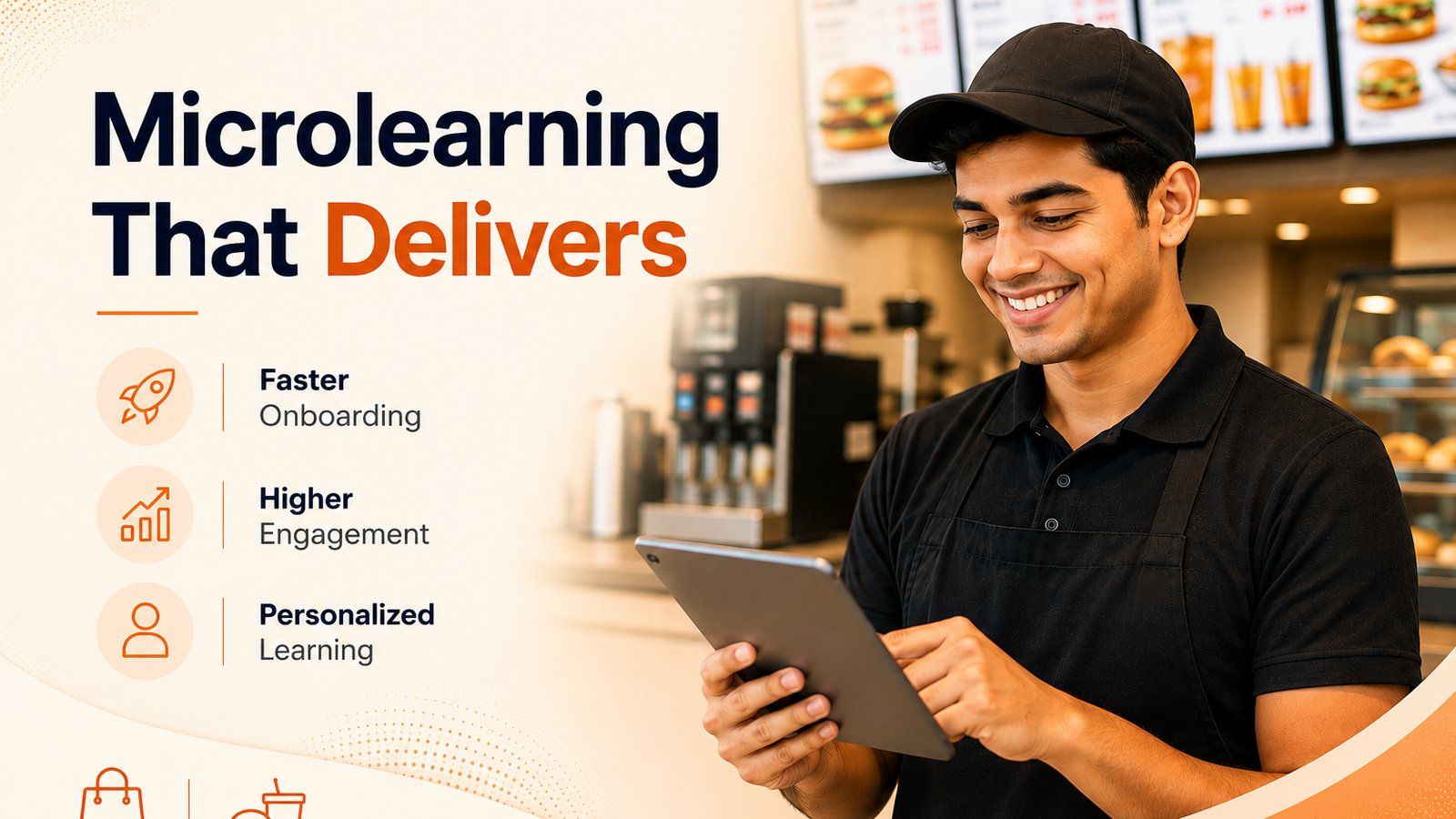
Hiring employees is only half the challenge for retail stores and QSR chains. The bigger challenge is getting every employee to perform consistently from day one.
For businesses operating across multiple locations, traditional classroom sessions, printed SOP manuals, and one-time onboarding programs no longer work. New employees forget most of what they learn, experienced employees miss process updates, and managers spend valuable time repeating the same training.
As brands continue to expand, training needs to become faster, standardized, and easier to manage.
This is why leading retail and QSR brands are moving towards microlearning.
Instead of expecting employees to absorb hours of training at once, microlearning delivers short, focused lessons that can be completed in just a few minutes without disrupting store operations.
Why Traditional Training Falls Short
Most frontline employees don't work at desks.
They're serving customers, replenishing shelves, preparing food, handling deliveries, or managing checkout counters.
Long training sessions often result in:
- Information overload
- Low knowledge retention
- Longer onboarding time
- Inconsistent execution across stores
- Managers spending excessive time retraining staff
For businesses with dozens or hundreds of outlets, these problems multiply quickly.
What Makes Microlearning Different?
Microlearning breaks training into small lessons focused on one specific task.
Instead of asking employees to complete a two-hour training program, they learn one skill at a time.
For example:
- Opening store checklist
- Food safety procedures
- Customer greeting standards
- Product knowledge
- Cash handling process
- Visual merchandising setup
- Handling customer complaints
Each lesson typically takes only 2–5 minutes and can be completed on a mobile device. This makes learning continuous instead of something employees do only during onboarding.
Faster Onboarding Across Multiple Stores
One of the biggest advantages of microlearning is reducing onboarding time. New employees don't have to wait for scheduled classroom sessions.
Instead, they can:
- Learn at their own pace
- Access training from their phone
- Complete role-specific modules
- Start contributing faster
This becomes especially valuable for businesses experiencing seasonal hiring or high employee turnover.
Better Knowledge Retention
People naturally forget information delivered during lengthy training sessions. Microlearning improves retention because employees receive information in smaller, manageable pieces.
Brands can also reinforce important topics regularly through:
- Quick refresher videos
- Short quizzes
- SOP reminders
- Weekly learning modules
This continuous reinforcement helps employees remember critical operational procedures.
Consistent Customer Experience Across Every Outlet
Whether a customer visits your flagship store or a newly opened outlet, they expect the same experience. Microlearning helps standardize execution by ensuring every employee receives identical training.
This includes:
- Customer service standards
- Product demonstrations
- Hygiene procedures
- Opening and closing routines
- Brand guidelines
- Safety protocols
Instead of relying on individual store managers to explain processes, brands can distribute standardized learning modules instantly.
Easier Rollout of New SOPs
Retail operations change constantly.
- New promotions launch.
- Store layouts change.
- Menus are updated.
- Compliance requirements evolve.
Instead of organizing another classroom session, brands can publish a new microlearning module and notify every employee instantly. Employees complete the lesson before starting their shift, ensuring faster adoption of new processes.
AI Makes Training Even Smarter
Modern learning platforms are becoming more intelligent with AI.
Instead of assigning the same content to everyone, AI can recommend training based on:
- Employee role
- Store performance
- Audit scores
- SOP violations
- Knowledge gaps
- Previous assessments
For example, if audit reports show repeated hygiene issues in one location, the platform can automatically assign food safety refresher modules to that store's employees.
Training becomes proactive instead of reactive.
Measuring Training Effectiveness
Unlike traditional training, digital microlearning provides measurable insights.
Managers can track:
- Course completion rates
- Quiz performance
- Employee progress
- Training compliance
- Knowledge gaps
- Store-wise learning performance
This gives operations teams visibility into whether employees are actually completing mandatory training.
Why It Matters for Retail & QSR Operations
Microlearning is no longer just an HR initiative.
It directly impacts operational performance by helping businesses:
- Reduce onboarding time
- Improve SOP compliance
- Standardize operations
- Improve customer service
- Increase employee confidence
- Reduce operational errors
- Support faster business expansion
For growing retail and hospitality brands, training becomes a scalable process instead of a recurring operational challenge.
The Future of Frontline Training
As retail and QSR businesses continue to expand across locations, employee training must become faster, more consistent, and easier to manage.
Microlearning enables brands to continuously educate frontline teams without interrupting daily operations. Combined with digital SOP management, audits, and workforce management, it helps create a more informed, compliant, and productive workforce.
Businesses that invest in continuous learning today will be better positioned to maintain operational consistency, deliver better customer experiences, and scale confidently tomorrow.
Conclusion
Training shouldn't slow down operations, it should strengthen them.
Microlearning allows retail and QSR brands to keep employees informed, engaged, and aligned with operational standards while reducing the time and effort required for traditional training.
With platforms like NymbleUp, businesses can combine microlearning, SOP management, digital audits, and workforce management into a single operational platform, ensuring every employee has the knowledge they need to perform consistently across every location.
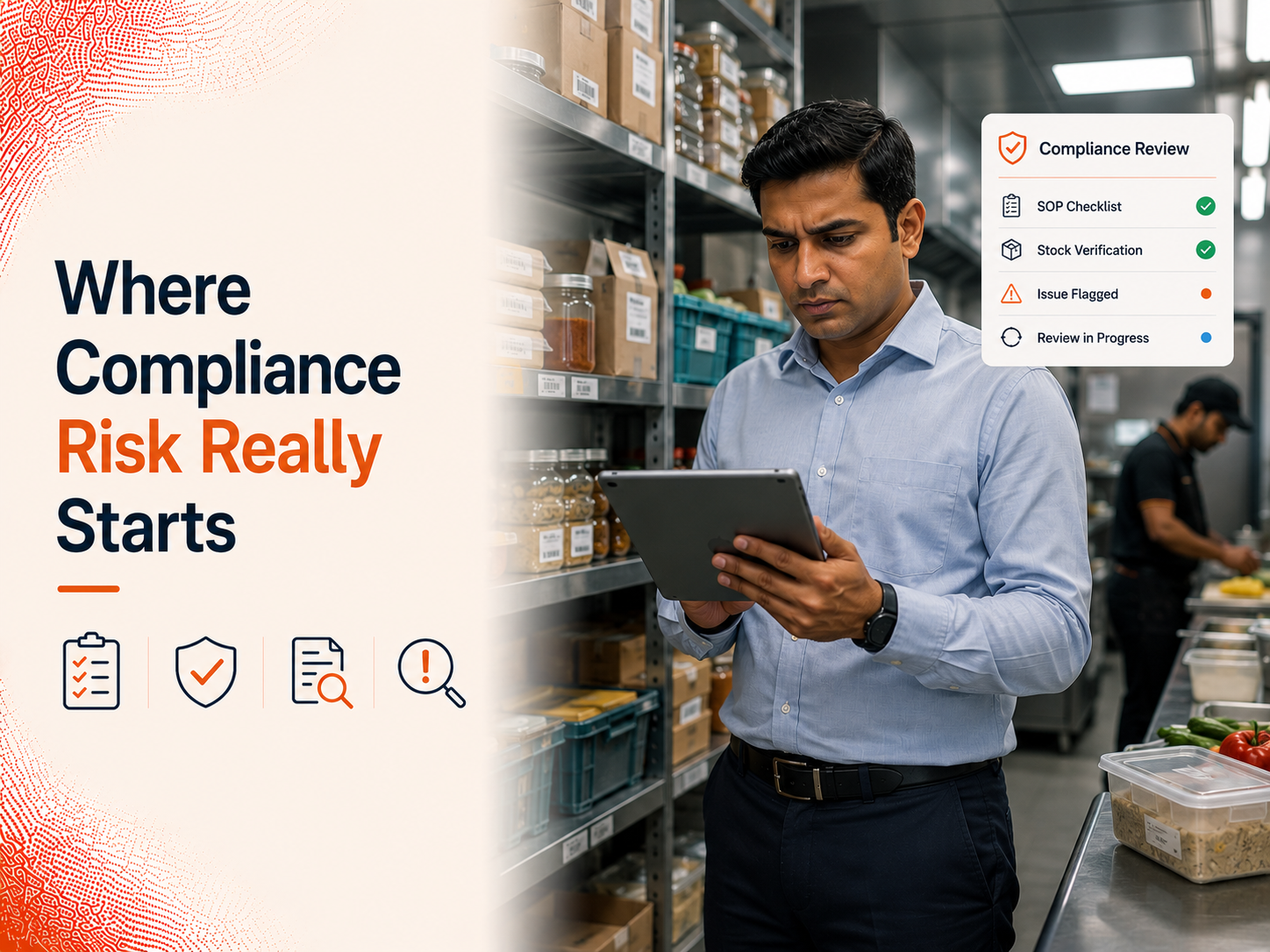
What Your Failed Audits Are Actually Trying to Tell You
Skill gaps rarely show up as skill gaps. They show up as failed audits and compliance incidents. Here's why the gap exists, and what closing…
Read more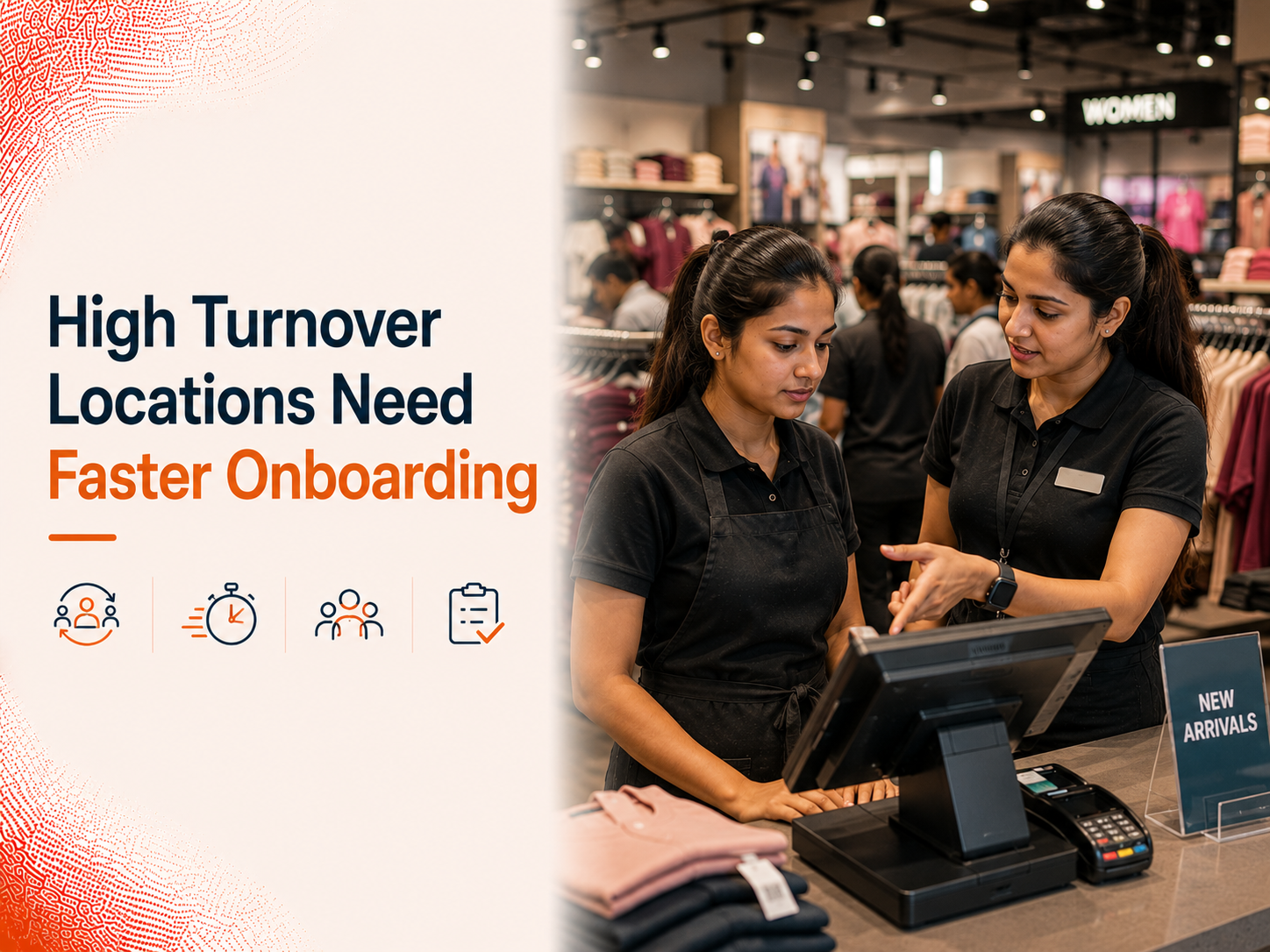
Why High Turnover Locations Need Faster Onboarding, Not More Training Time
QSR and retail turnover often exceeds 60 to 100% a year. Here's why longer training programs don't fix it, and what faster onboarding actual…
Read more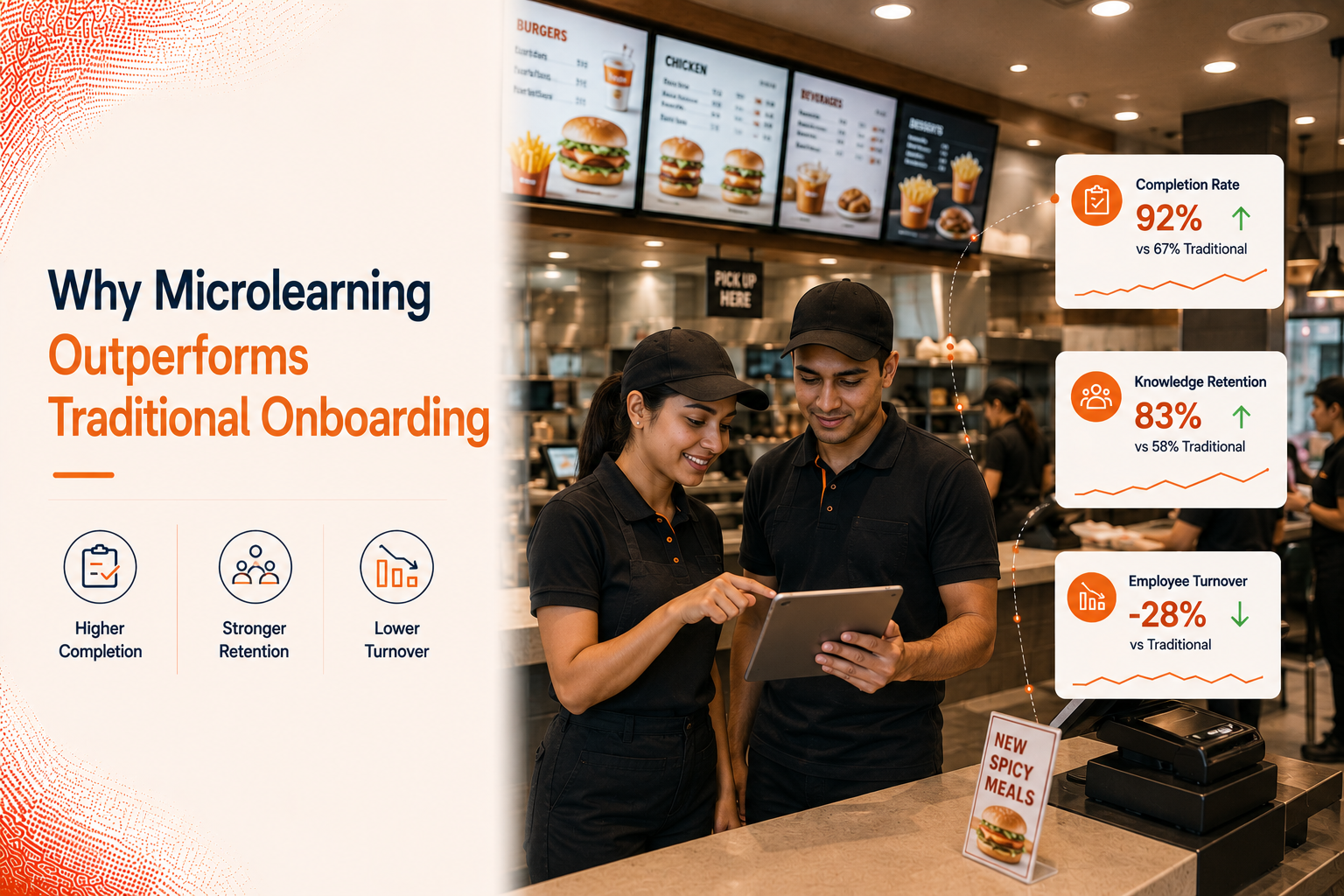
What Happens to Training Content 24 Hours After Your New Hire Learns It
Traditional onboarding is losing ground in QSR and retail. See what completion, retention, and turnover data reveal about switching to micro…
Read more