

What Is Store Execution? Everything Retail Leaders Need to Know
Learn what store execution is, why it matters for multi-location retailers, the challenges businesses face, and how consistent execution drives customer experience, compliance, and operational excellence.
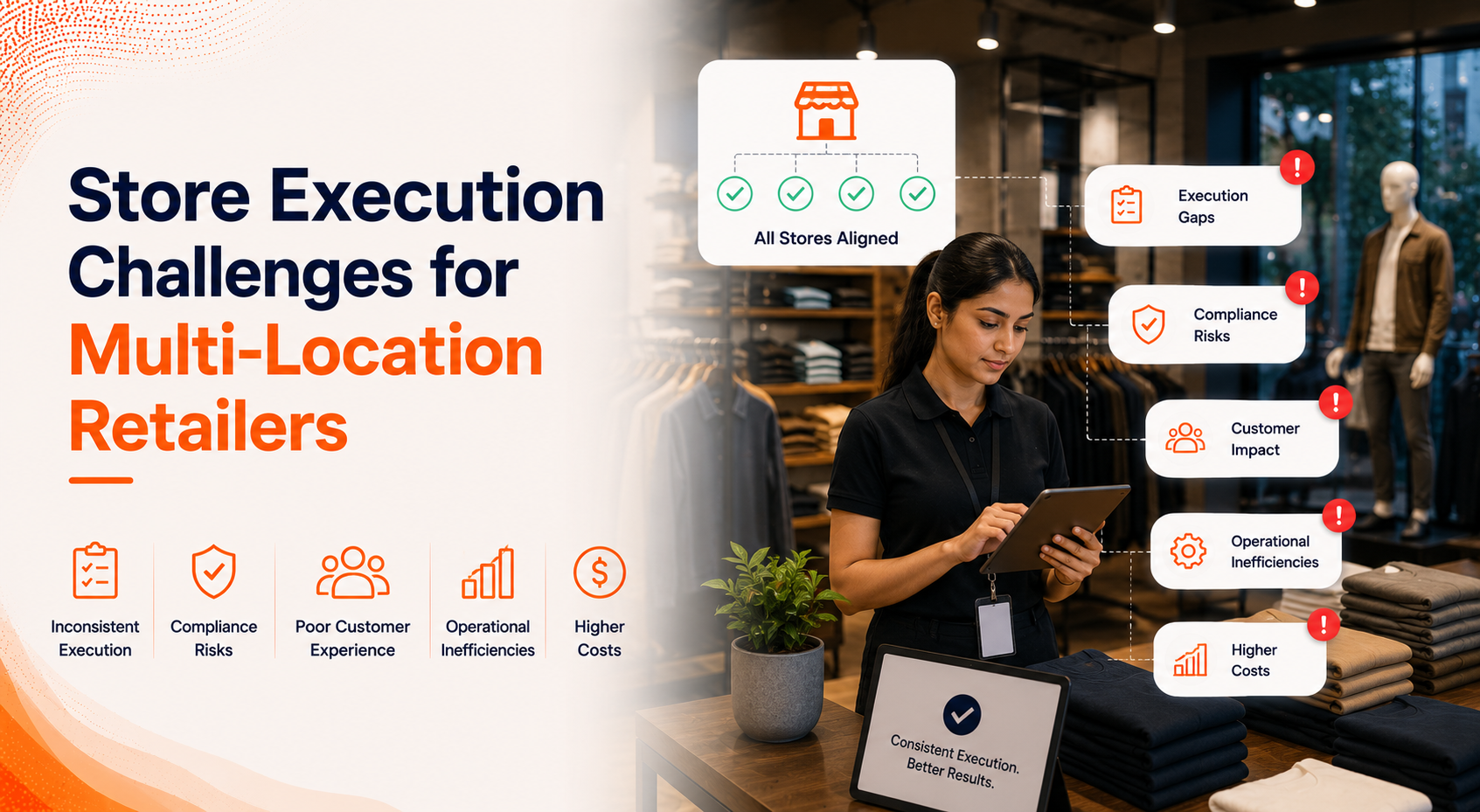
A retailer launches a weekend promotion across 100 stores. Every store receives the same pricing guidelines, promotional artwork, merchandising instructions, and launch date. When the campaign goes live, the results are very different.
Some stores execute it flawlessly. Others have incomplete displays, incorrect pricing, missing promotional materials, or delayed implementation.
The strategy was the same. The execution wasn't. This is where store execution becomes the difference between a successful retail operation and an inconsistent customer experience.
As retail businesses expand across multiple locations, ensuring every store follows the same operational standards becomes increasingly challenging. Regardless of location, customers expect the same shopping experience, product availability, service quality, and brand presentation every time they visit a store.
What Is Store Execution?
Store execution is the process of consistently implementing a retailer's operational standards, promotional campaigns, merchandising guidelines, pricing strategies, and customer service expectations across every store location.
In simple terms, it ensures that everything planned by the head office is executed accurately on the shop floor.
Store execution isn't a single activity or department. It is the combined effort of people, processes, communication, and accountability working together to deliver a consistent customer experience across every location.
What Store Execution Is Not
Store execution is often misunderstood as a single operational activity.
It is not just:
• Conducting store audits
• Following SOPs
• Setting up promotional displays
• Maintaining visual merchandising standards
• Ensuring store cleanliness
Instead, store execution brings together every operational activity required to ensure stores consistently deliver on the brand promise.
Why Store Execution Matters More Than Ever
Retail has become increasingly dynamic.
Customers today expect a seamless and consistent shopping experience regardless of which store they visit. Industry research consistently highlights that operational consistency has become one of the key differentiators for successful retail brands.
At the same time, retailers are managing larger store networks, more frequent promotional campaigns, evolving customer expectations, and increasingly complex operations. Research from leading retail consulting firms also suggests that businesses with standardized operational processes and data-driven decision-making are better positioned to improve efficiency and customer satisfaction.
Strong store execution helps retailers:
• Deliver a consistent customer experience across every location.
• Ensure promotions are launched accurately and on time.
• Maintain brand standards across multiple stores.
• Improve coordination between head office and store teams.
• Reduce operational errors and inconsistencies.
• Support long-term business growth.
As businesses expand, maintaining these standards manually becomes increasingly difficult.
What Happens When Store Execution Breaks Down?
Store execution issues rarely appear as one major problem.
Instead, they show up as small operational gaps that gradually affect customer experience and business performance.
Common examples include:
• Promotional campaigns launching late.
• Incorrect or inconsistent pricing.
• Empty shelves despite inventory being available.
• Visual merchandising standards varying between stores.
• Opening or closing procedures being skipped.
• Store issues remaining unresolved for longer than expected.
• Different customer experiences across locations.
While each issue may seem minor on its own, together they can impact operational efficiency, customer trust, and brand consistency.
Who Is Responsible for Store Execution?
Successful store execution is a shared responsibility across multiple teams.
Head Office
Develops operating standards, promotional campaigns, pricing strategies, and brand guidelines for every store.
Operations Team
Works closely with stores to ensure operational standards are implemented consistently across locations.
Regional and Area Managers
Monitor execution across multiple stores, identify operational gaps, and support continuous improvement.
Store Managers
Oversee day-to-day operations, ensure compliance with company standards, and guide store teams.
Store Associates
Execute daily operational activities that directly influence the customer experience, from merchandising and inventory management to customer service.
When every team understands its role, retailers are better equipped to maintain consistency across all locations.
Common Challenges Retailers Face
As retailers continue to grow, maintaining operational consistency becomes increasingly complex.
Industry reports have also identified employee turnover as one of retail's biggest operational challenges. Frequent onboarding of new employees makes it harder to maintain consistent execution unless businesses have standardized processes, documented operating procedures, and structured training in place.
Some of the most common challenges include:
• Different stores interpreting the same instructions differently.
• Limited visibility into daily store operations.
• Dependence on spreadsheets and manual communication.
• Delays in identifying and resolving operational issues.
• Inconsistent reporting across locations.
• Difficulty maintaining standards as the business expands.
• High employee turnover affecting execution quality.
Addressing these challenges requires more than operational oversight. It requires consistency in execution across every level of the organization.
What Does Good Store Execution Look Like?
Well-executed stores operate consistently, regardless of location or staffing changes.
Some common characteristics include:
• Consistent customer experiences across every store.
• Promotions implemented on schedule.
• Accurate pricing and product information.
• Well-organized and visually appealing stores.
• Clear ownership of operational responsibilities.
• Faster resolution of store issues.
• Better communication between stores and head office.
• Greater visibility into day-to-day store performance.
When these elements come together, retailers are better positioned to improve customer satisfaction, strengthen brand consistency, and operate more efficiently.
Looking Ahead
Understanding what store execution is is only the first step.
The next question is: What makes store execution successful?
In the next blog in this series, we'll explore the 8 Pillars of Effective Store Execution and the operational practices that help leading retailers maintain consistency across every location.
Conclusion
Store execution is the bridge between retail strategy and day-to-day operations.
No matter how well a business plans its promotions, merchandising strategies, or customer experience initiatives, success ultimately depends on how consistently those plans are executed in every store.
Retailers that prioritize operational consistency, accountability, and standardized processes are better equipped to deliver exceptional customer experiences while building scalable and high-performing store networks.

How Video Analytics Reveals Who's Actually Walking Into Your Store
Discover how AI video analytics helps retailers gain real time demographic insights, understand visitor patterns, personalise offers, optimi…
Read more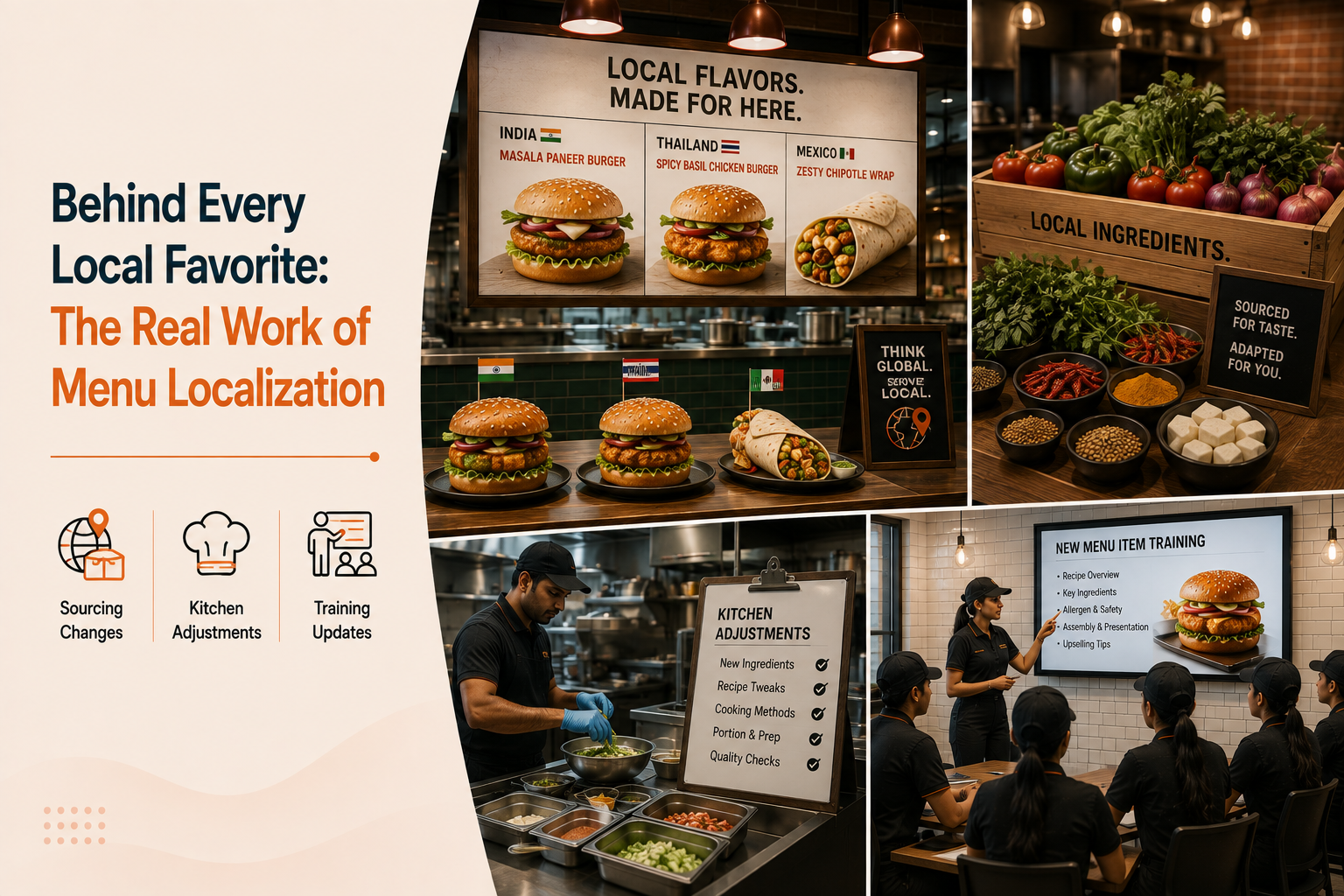
How QSR Brands Adapt Menus for Different Markets and Cities
Menu localization isn't just a new item on the board. Here's the sourcing, kitchen, and training changes that actually happen behind a regio…
Read more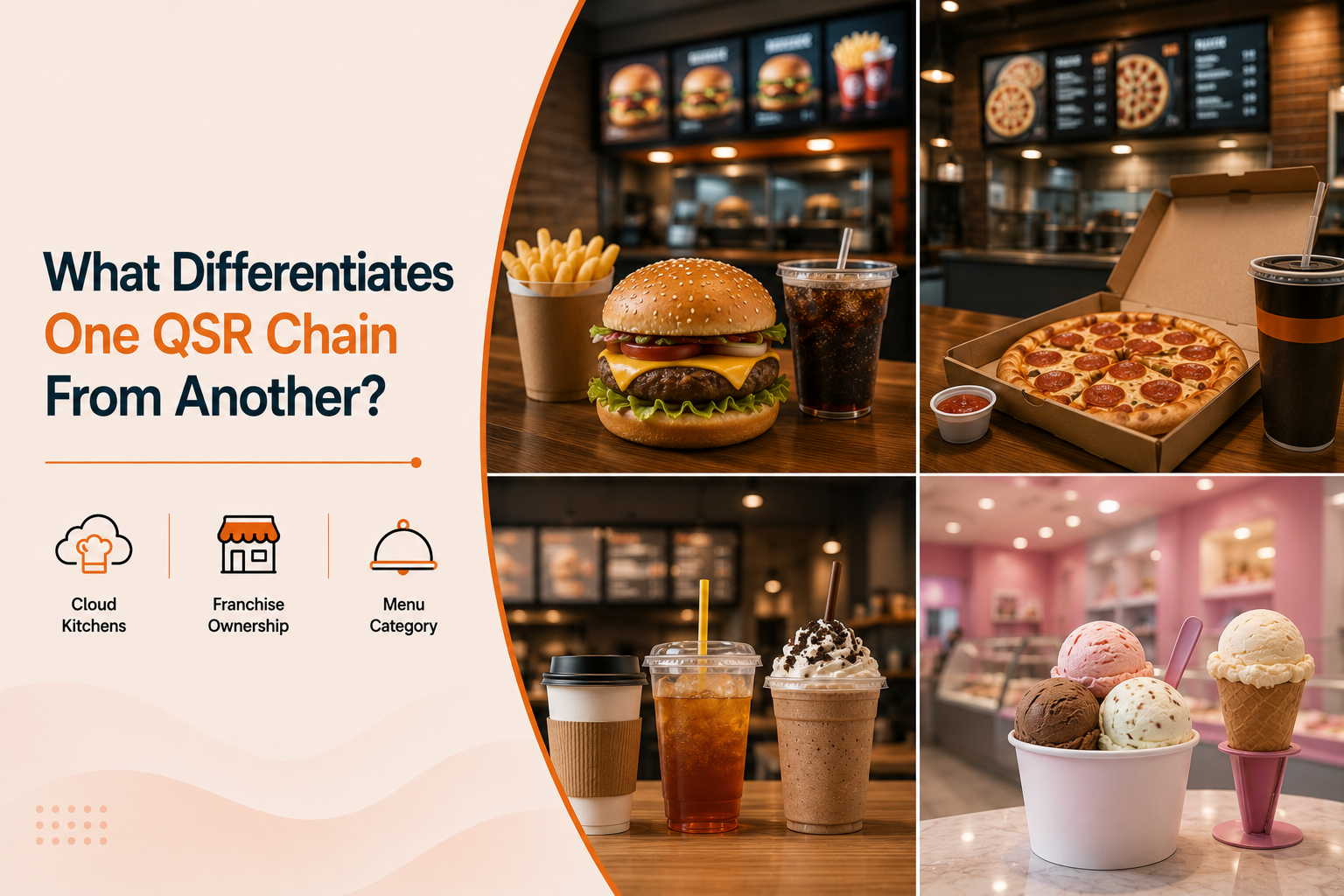
What Makes One QSR Chain Different From Another?
From cloud kitchens to franchise ownership to menu category, a breakdown of what actually differentiates one QSR chain from another, and wha…
Read more