

Top 7 Operational Mistakes That Hold Back Growing QSR Chains
Discover the most common operational mistakes made by growing QSR brands and learn practical ways to improve consistency, profitability, and execution across multiple outlets.
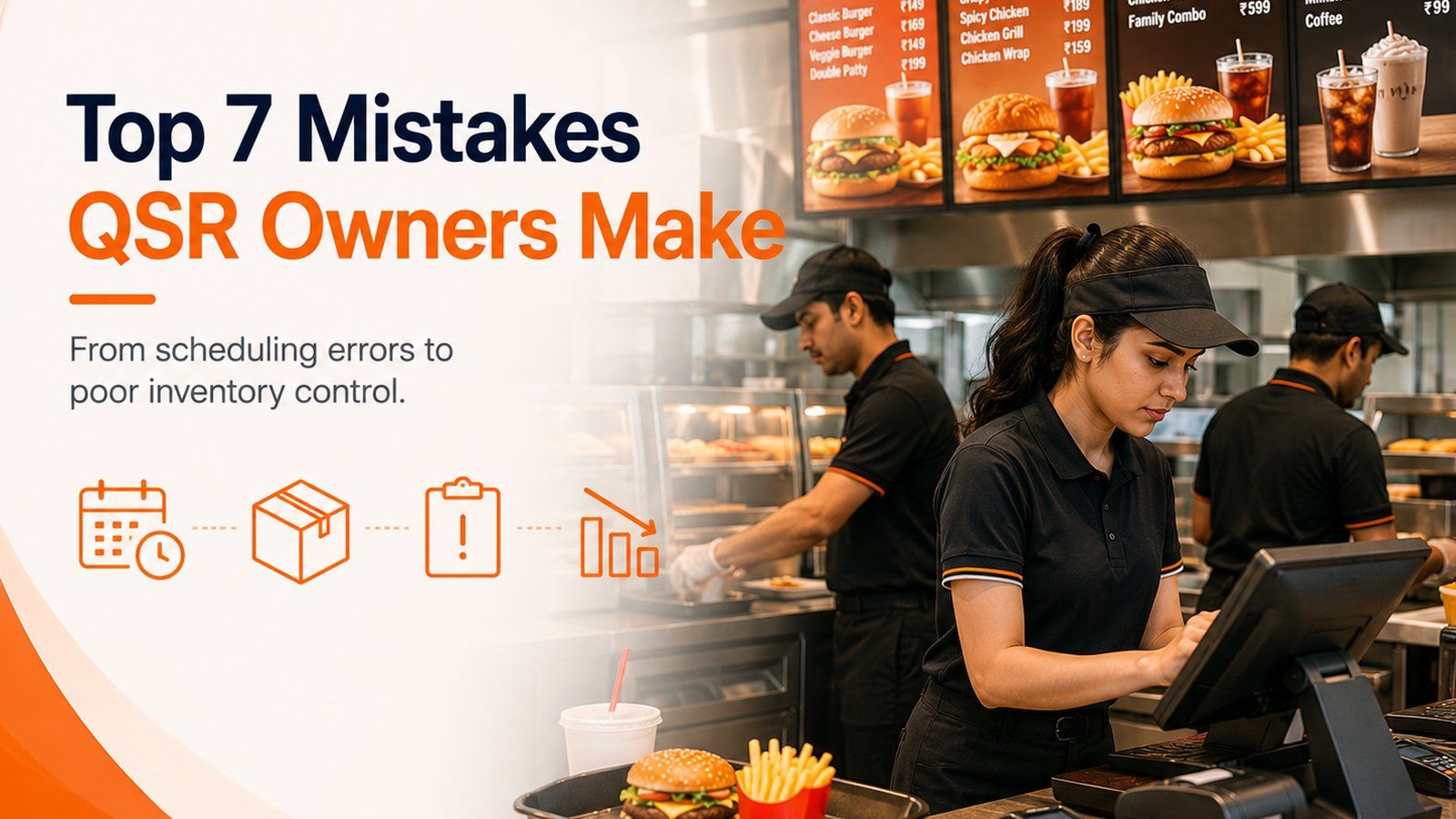
Opening your fifth outlet feels very different from opening your fiftieth.
In the early days, founders know every employee, visit stores regularly, and quickly spot operational issues. If a shift starts late, ingredients are missing, or service slows down, someone notices immediately.
As the business grows, that visibility disappears. Store managers begin making their own decisions. Regional managers oversee more outlets than they can realistically visit. Small operational issues start appearing across different locations, often unnoticed until they affect customers.
Growth doesn't usually expose problems. It magnifies them. The brands that scale successfully are rarely those with the best menu. They're the ones with the most disciplined operations.
Here are seven operational mistakes that frequently limit the growth of QSR chains.
1. Building Schedules Around Habit Instead of Demand
Many restaurants continue using the same weekly roster regardless of actual customer demand.
Monday mornings may be overstaffed while Friday evenings struggle with long queues and delayed orders.
Labour quickly becomes one of the largest controllable costs in the business.
The solution isn't employing more people.
It's matching staffing levels to actual demand using historical sales patterns, seasonal trends, promotions, and local events.
When staffing reflects customer traffic, labour costs fall while service levels improve.
2. Treating SOPs as Documents Instead of Daily Habits
Every QSR has SOP manuals. Far fewer know whether those SOPs are being followed consistently.
- Opening checklists may be skipped.
- Cleaning routines delayed.
- Food preparation standards interpreted differently across stores.
The result is inconsistent customer experiences. Operational standards only create value when they are measured, verified, and reviewed regularly.
3. Solving Problems Only After Customers Notice Them
Many operational issues remain invisible until customers complain.
- Orders take longer.
- Dining areas become untidy.
- Ingredients run out.
- Queues increase.
- Equipment isn't functioning properly.
By the time negative reviews appear online, the problem has often existed for several days.
High-performing restaurant chains identify operational issues before they reach customers through regular audits, live dashboards, and real-time alerts.
4. Managing Inventory Through Experience Alone
Experienced restaurant managers develop strong instincts.
But intuition becomes less reliable when managing hundreds of SKUs across multiple outlets.
- Small forecasting errors quickly become expensive.
- Over-ordering increases waste.
- Under-ordering results in stockouts and disappointed customers.
Successful QSR brands combine operational experience with demand forecasting to make inventory decisions based on actual consumption patterns rather than assumptions.
5. Measuring Sales Without Measuring Execution
Sales reports explain what happened.
They rarely explain why.
A decline in revenue might be caused by:
- Poor product availability
- Slow service
- Low staffing levels
- Incomplete promotional execution
- Poor store hygiene
- Equipment downtime
Without measuring operational performance alongside sales, managers often solve the wrong problem.
The strongest operators monitor execution as closely as they monitor revenue.
6. Assuming Every Store Operates the Same Way
Two outlets located just a few kilometres apart can behave completely differently.
- One may experience office lunch traffic.
- Another may rely heavily on evening family dining.
- A third may receive most of its business through delivery platforms.
Applying identical staffing, inventory, and operational practices across every location rarely produces consistent results.
Successful chains standardise brand standards while adapting operations to each store's unique demand patterns.
7. Spending Too Much Time Managing and Too Little Time Improving
Many store managers spend most of their day chasing updates.
- Has the opening checklist been completed?
- Was the freezer temperature checked?
- Did the promotional display go live?
- Has the vendor delivered today's stock?
When operational information isn't available in real time, managers become administrators instead of leaders.
The best-performing restaurants automate routine monitoring so managers can focus on coaching teams, improving customer experience, and driving sales.
What Successful QSR Chains Do Differently
The highest-performing restaurant brands don't necessarily work harder.
- They operate with greater visibility.
- Their managers know what is happening across every outlet without making endless phone calls or relying on spreadsheets.
- They build systems that create consistency regardless of location, shift, or manager.
That consistency becomes a competitive advantage as the business grows.
Final Thoughts
Running a successful QSR isn't about eliminating every operational challenge.
It's about identifying issues early and building systems that prevent them from becoming recurring problems.
As restaurant chains expand, operational discipline becomes just as important as menu innovation or marketing.
Brands that scale successfully invest in visibility, accountability, and consistent execution across every location.
Because in quick service restaurants, customers rarely notice when operations run perfectly. They immediately notice when they don't.
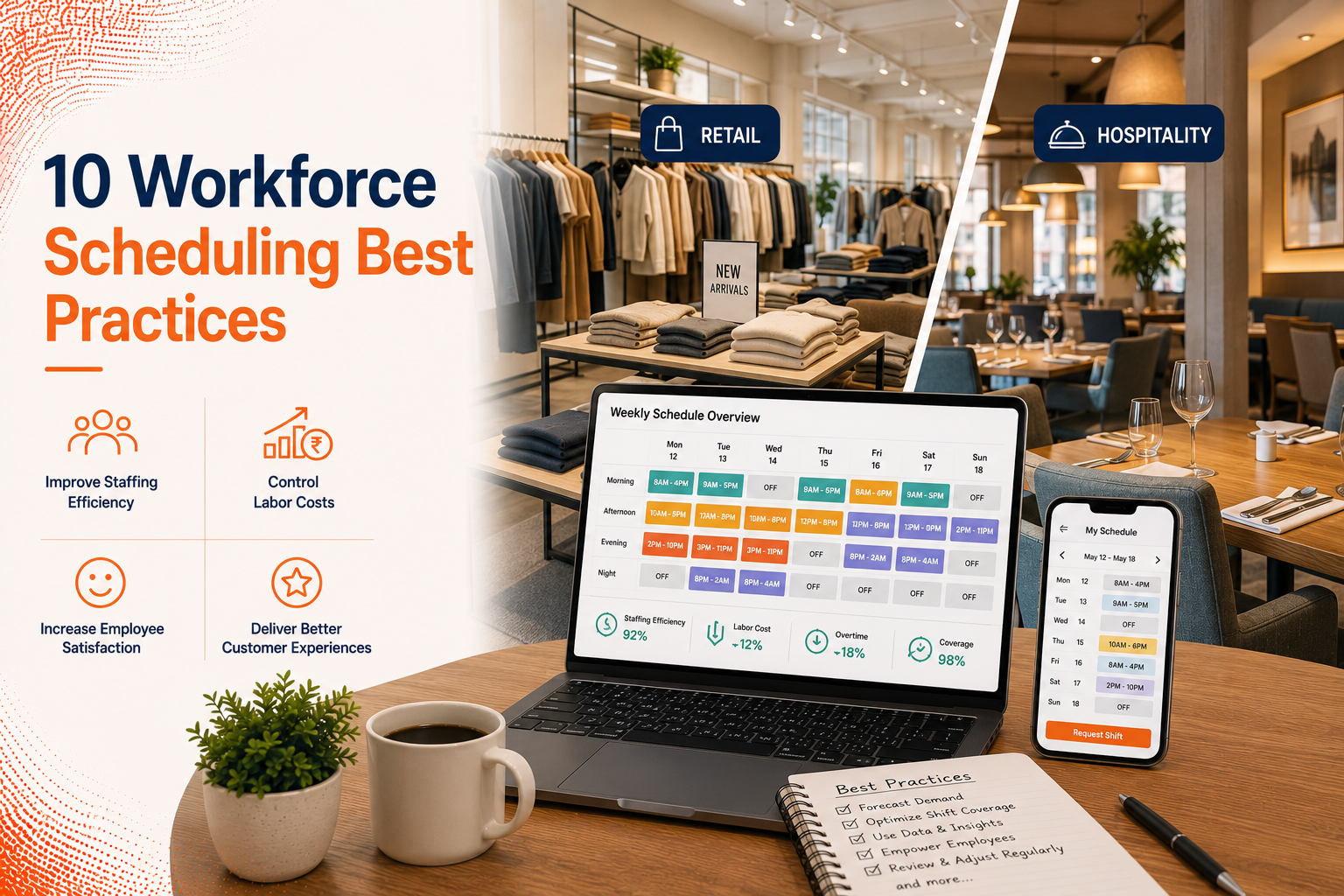
10 Workforce Scheduling Best Practices Every Business Should Follow
Discover 10 workforce scheduling best practices that help businesses improve staffing efficiency, control labor costs, increase employee sat…
Read more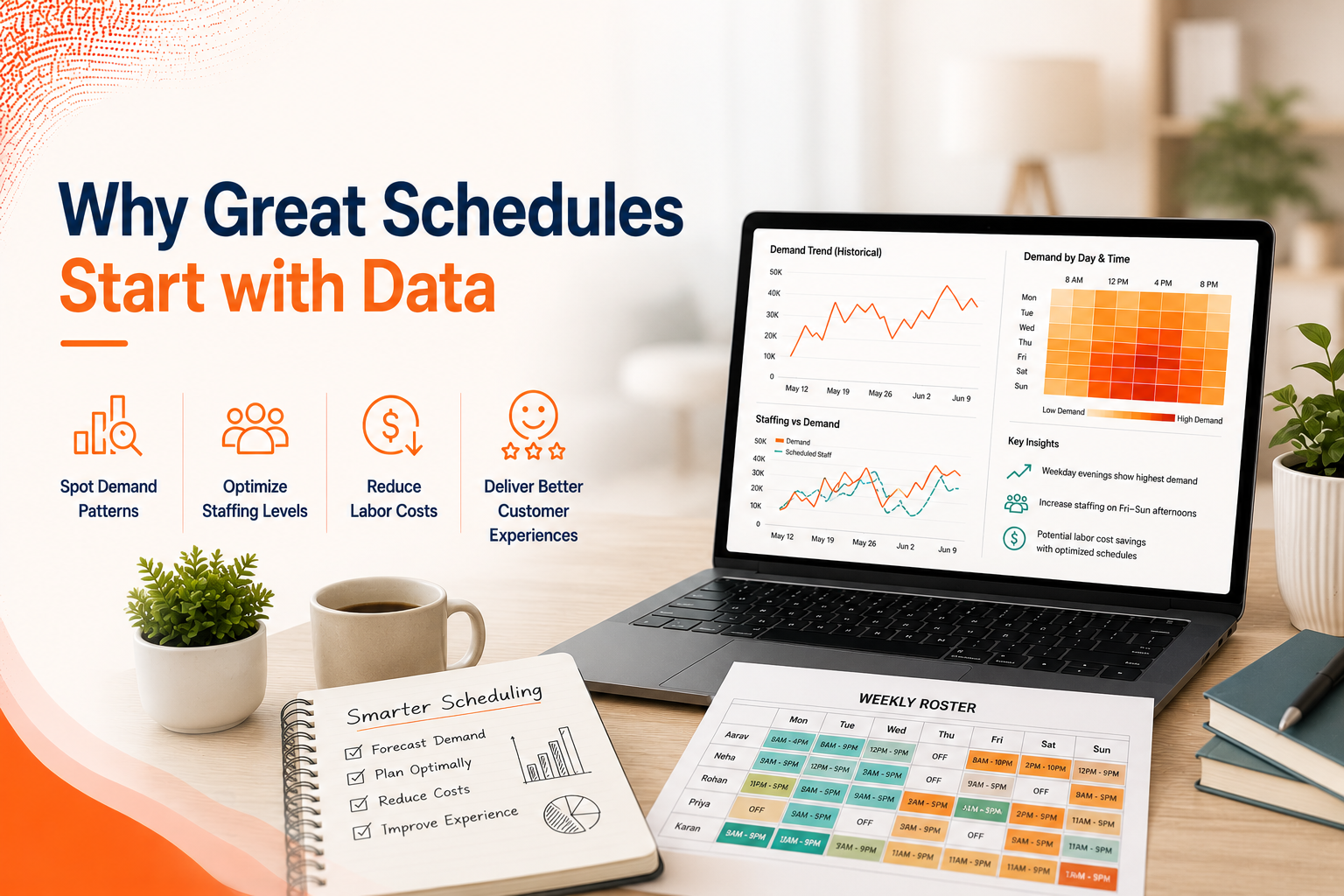
How Historical Data Improves Workforce Scheduling
Learn how historical data helps businesses improve workforce scheduling by identifying demand patterns, optimizing staffing levels, reducing…
Read more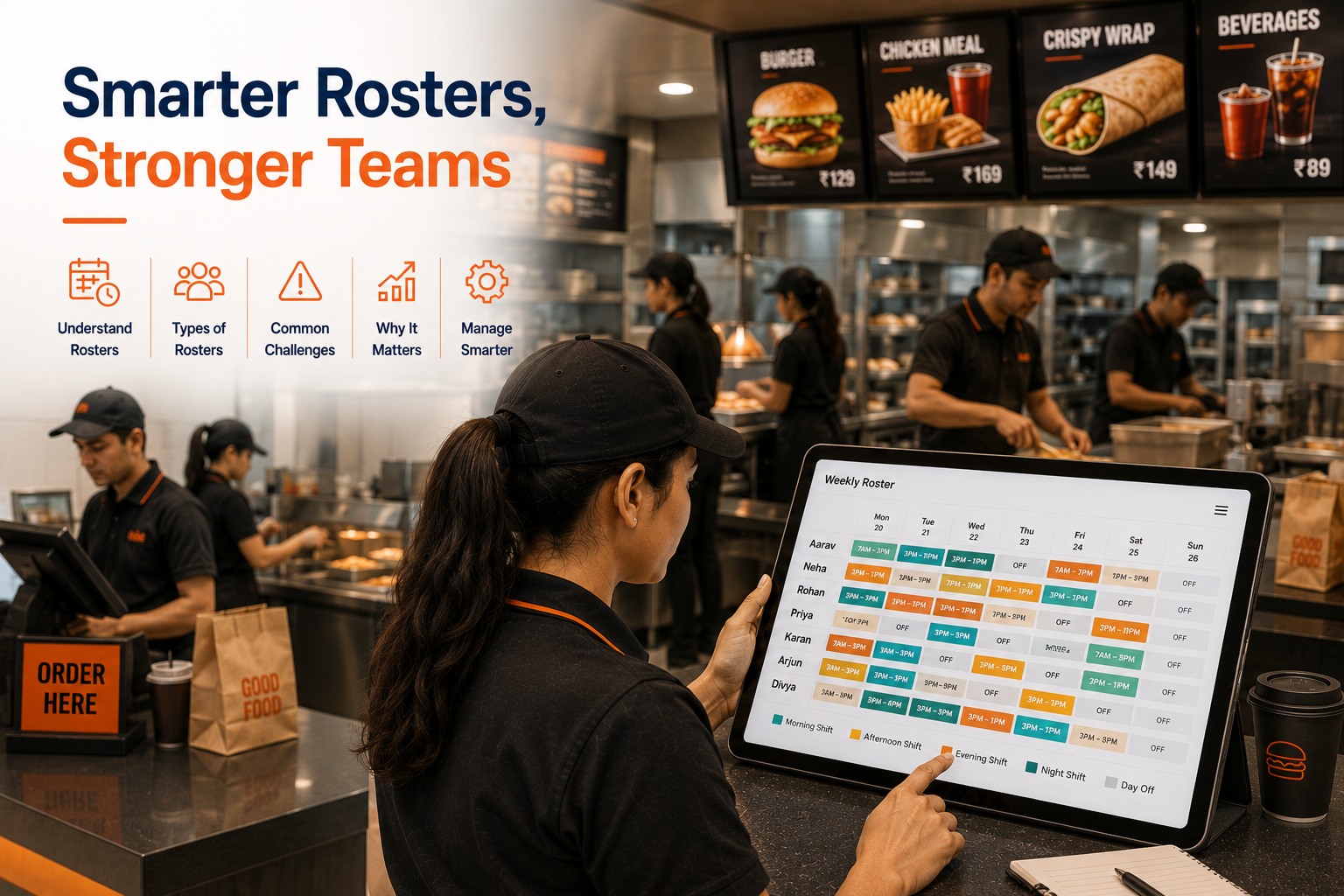
What Is an Employee Roster? Everything You Need to Know
Learn what an employee roster is, why it matters, the different types of employee rosters, common rostering challenges, and how businesses c…
Read more