

Demand Forecasting in an Omnichannel World: Why Forecast Automation Is Essential for Retail and Hospitality
Learn how AI powered demand forecasting helps retail and hospitality businesses optimise inventory, workforce planning, reduce waste, and deliver seamless omnichannel customer experiences.
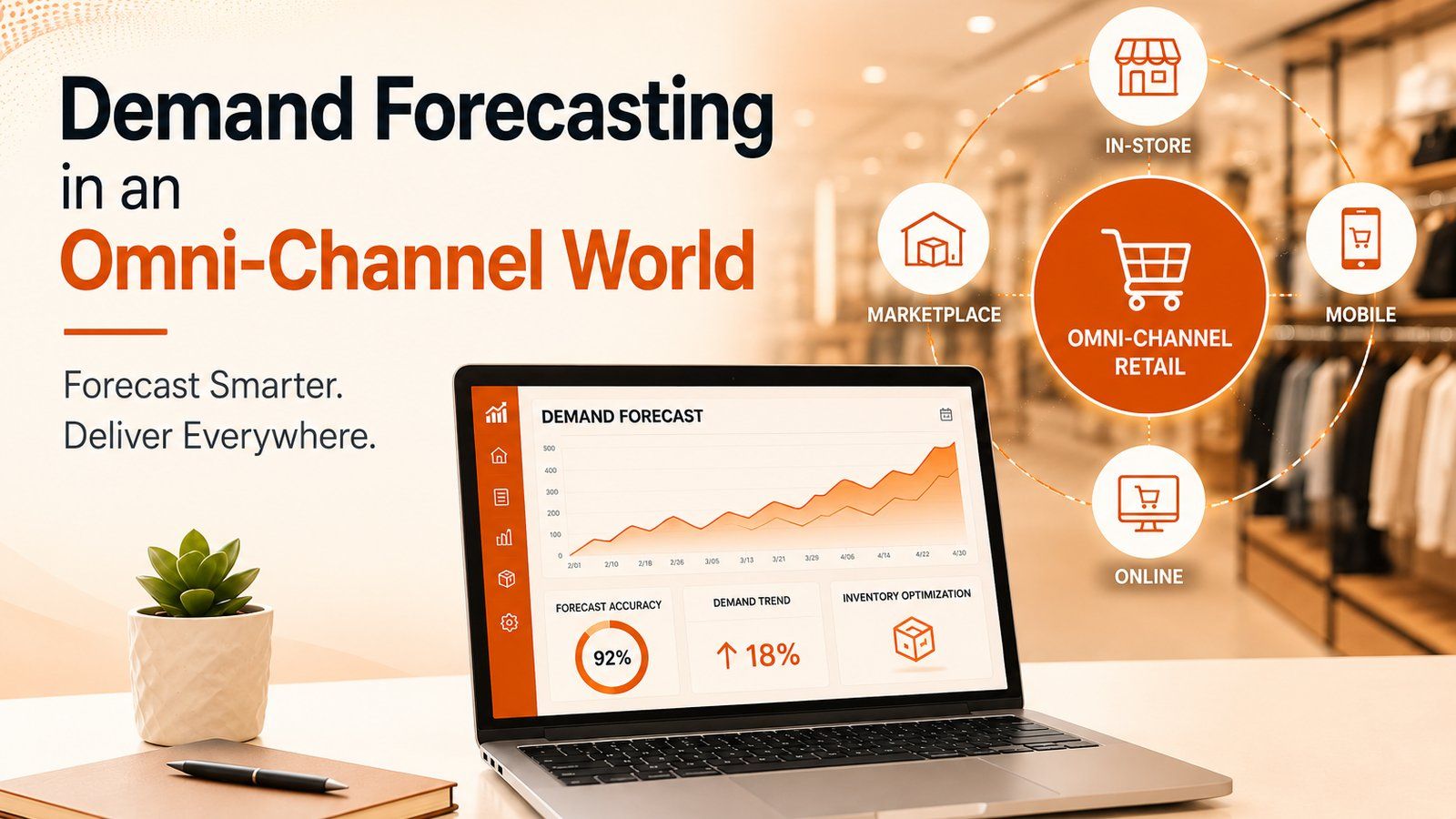
Omnichannel has fundamentally changed how retail and hospitality businesses operate. Customers no longer think in terms of online or offline. They expect one connected brand experience whether they shop in a store, order through a mobile app, use a food delivery platform, browse a website, or collect an order through click and collect.
For businesses, this shift has made demand planning significantly more complex. Inventory, staffing, production, and replenishment decisions must now account for multiple sales channels that each have different customer behaviors and demand patterns.
Traditional forecasting methods are no longer enough. To deliver consistent service while maintaining operational efficiency, retailers and hospitality brands need AI powered demand forecasting that can adapt to changing consumer demand in real time.
Why Demand Forecasting Matters More Than Ever
Every operational decision begins with an accurate demand forecast.
When businesses know what customers are likely to buy, where they will buy it, and when demand will occur, they can make smarter decisions across the organization.
Accurate forecasting helps businesses:
- Maintain optimal inventory levels
- Reduce stockouts and excess inventory
- Improve product availability
- Allocate staff more effectively
- Reduce food and inventory waste
- Increase sales while protecting profit margins
- Deliver a consistent customer experience across every location
In industries such as retail, restaurants, cafes, supermarkets, bakeries, and hotels, even small forecasting errors can quickly translate into higher operating costs and lost revenue.
The Challenge of Forecasting in an Omnichannel Environment
Forecasting was relatively straightforward when customers purchased through a single channel. Today, every channel behaves differently.
An order placed through a mobile app often follows different purchasing patterns than an in store purchase. Delivery platforms experience different peak periods than physical stores. Promotional campaigns may drive online demand while having little impact on walk in customers.
Treating every channel as if it behaves the same creates inaccurate forecasts and operational inefficiencies.
Modern retailers and hospitality businesses must forecast demand separately for each channel while maintaining one unified operational plan.
What Drives Accurate Demand Forecasting
Effective forecasting requires much more than historical sales data.
Modern AI powered forecasting solutions evaluate multiple factors simultaneously, including:
- Historical sales trends
- Customer purchasing behaviour across different channels
- Seasonal demand patterns
- Promotions and marketing campaigns
- Public holidays and local events
- Weather conditions
- Product mix
- Day part demand such as breakfast, lunch, dinner, and late evening
- Store level performance
- Regional buying patterns
By continuously analysing these variables, AI models improve forecast accuracy and help businesses respond quickly as demand changes.
One of the Biggest Forecasting Mistakes Retailers Make
A common mistake many businesses continue to make is using in store sales trends to predict online demand.
In reality, each sales channel serves different customer needs.
For example, grocery customers shopping online often place larger basket orders than those visiting a physical store. Restaurant delivery orders may peak during bad weather, while dine in traffic decreases. Fashion retailers frequently experience different purchasing behaviour across websites and physical stores during promotional events.
Using one channel's data to forecast another often leads to:
- Stock shortages
- Excess inventory
- Higher wastage
- Missed sales opportunities
- Poor customer experience
Each channel should be forecast independently while contributing to one integrated demand planning strategy.
Why Forecast Automation Is Becoming Essential
Manual forecasting methods struggle to keep pace with today's business environment.
As businesses expand across multiple stores, cities, product categories, and sales channels, forecasting becomes increasingly difficult to manage using spreadsheets alone.
AI driven forecast automation provides businesses with:
- Continuous demand prediction
- Automatic replenishment planning
- Better inventory allocation
- Smarter workforce scheduling
- Faster response to demand fluctuations
- Improved operational efficiency
Instead of reacting to yesterday's sales, businesses can proactively prepare for tomorrow's demand.
A Practical Example from the Restaurant Industry
Consider a quick service restaurant operating across dine in, takeaway, drive through, and food delivery platforms.
Each channel generates different order volumes throughout the day.
Delivery demand may surge during heavy rainfall. Office lunch traffic may increase on weekdays. Weekend evenings may see significantly higher dine in customers.
Using AI based forecasting, the restaurant can:
- Predict demand for every channel independently
- Schedule the right number of employees for each shift
- Prepare the appropriate quantity of ingredients
- Reduce food wastage
- Improve service speed
- Deliver a consistent customer experience across every ordering channel
The result is lower operating costs, higher customer satisfaction, and better profitability.
How NymbleUp Helps Retail and Hospitality Brands
NymbleUp's AI powered Demand Forecasting solution helps businesses forecast demand with greater accuracy by analysing multiple internal and external variables in real time.
The platform considers factors such as historical sales, seasonality, weather conditions, business growth, events, promotions, and store level performance to generate highly accurate forecasts.
With NymbleUp, businesses can:
- Forecast demand across multiple stores and sales channels
- Improve inventory planning and replenishment
- Reduce stockouts and unnecessary wastage
- Optimise workforce scheduling
- Improve operational efficiency
- Deliver a consistent omnichannel customer experience
Conclusion
Demand forecasting is no longer just a planning activity. It has become a strategic capability that directly influences profitability, customer satisfaction, and operational efficiency.
As omnichannel retail and hospitality continue to evolve, businesses that rely on AI driven forecasting will be better equipped to manage inventory, optimise staffing, reduce waste, and deliver exceptional customer experiences across every channel.
The future belongs to businesses that can predict demand accurately and act on those insights before the customer walks through the door or places an online order.
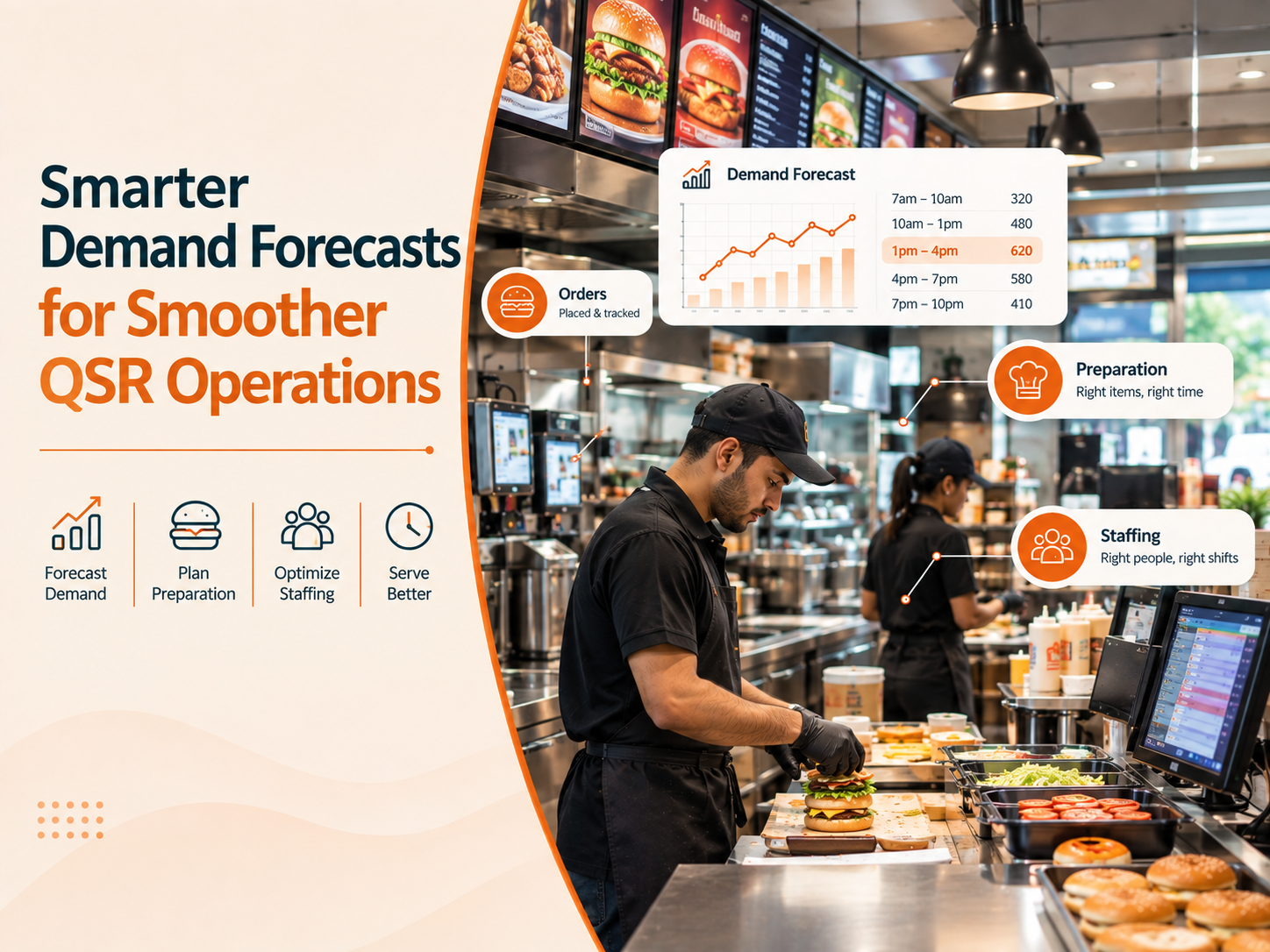
Demand Forecasting in QSR: How Outlets Predict Orders, Prep, and Staffing
Learn how QSR demand forecasting helps predict orders, plan food preparation, optimize staffing, manage perishability, and improve outlet op…
Read more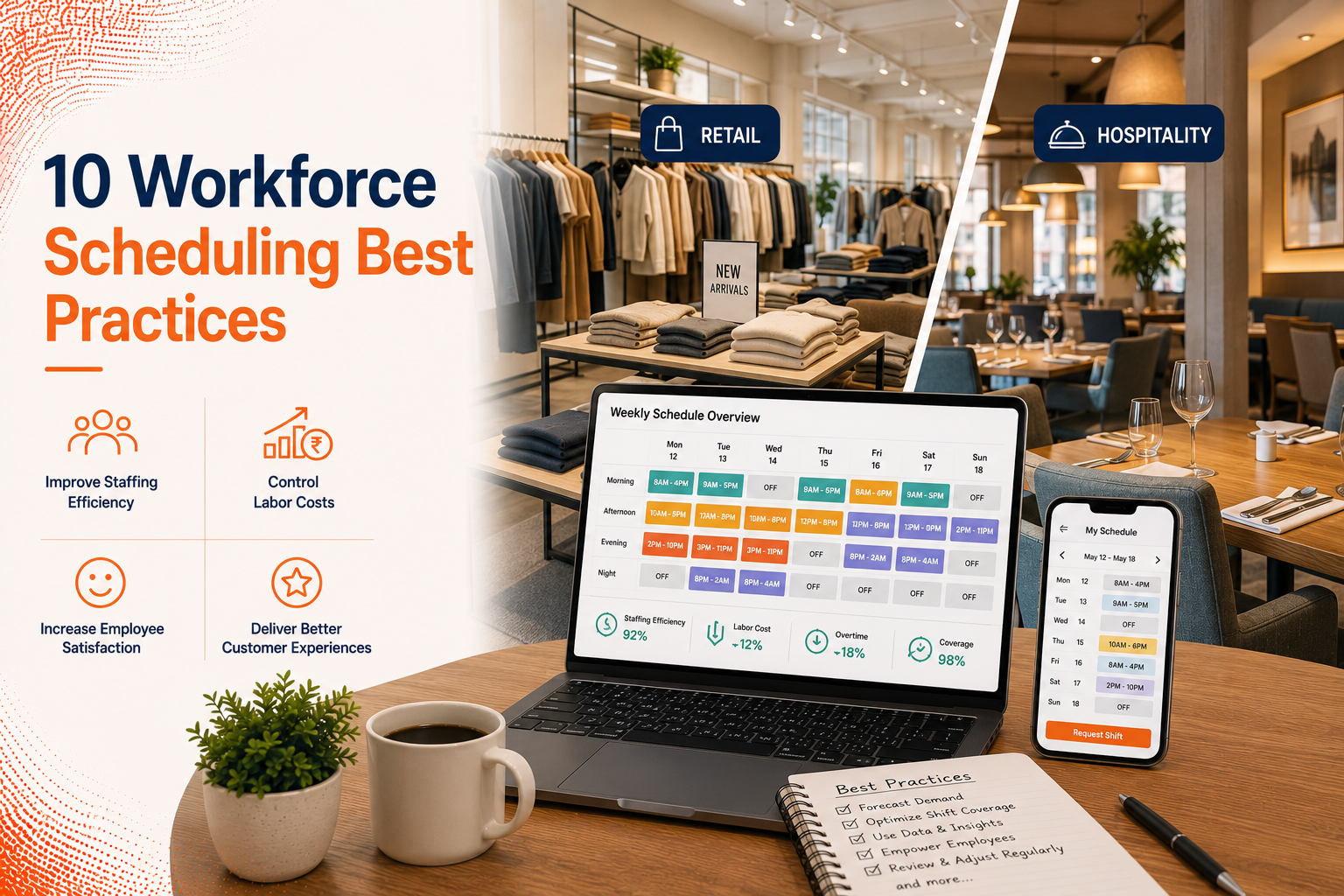
10 Workforce Scheduling Best Practices Every Business Should Follow
Discover 10 workforce scheduling best practices that help businesses improve staffing efficiency, control labor costs, increase employee sat…
Read more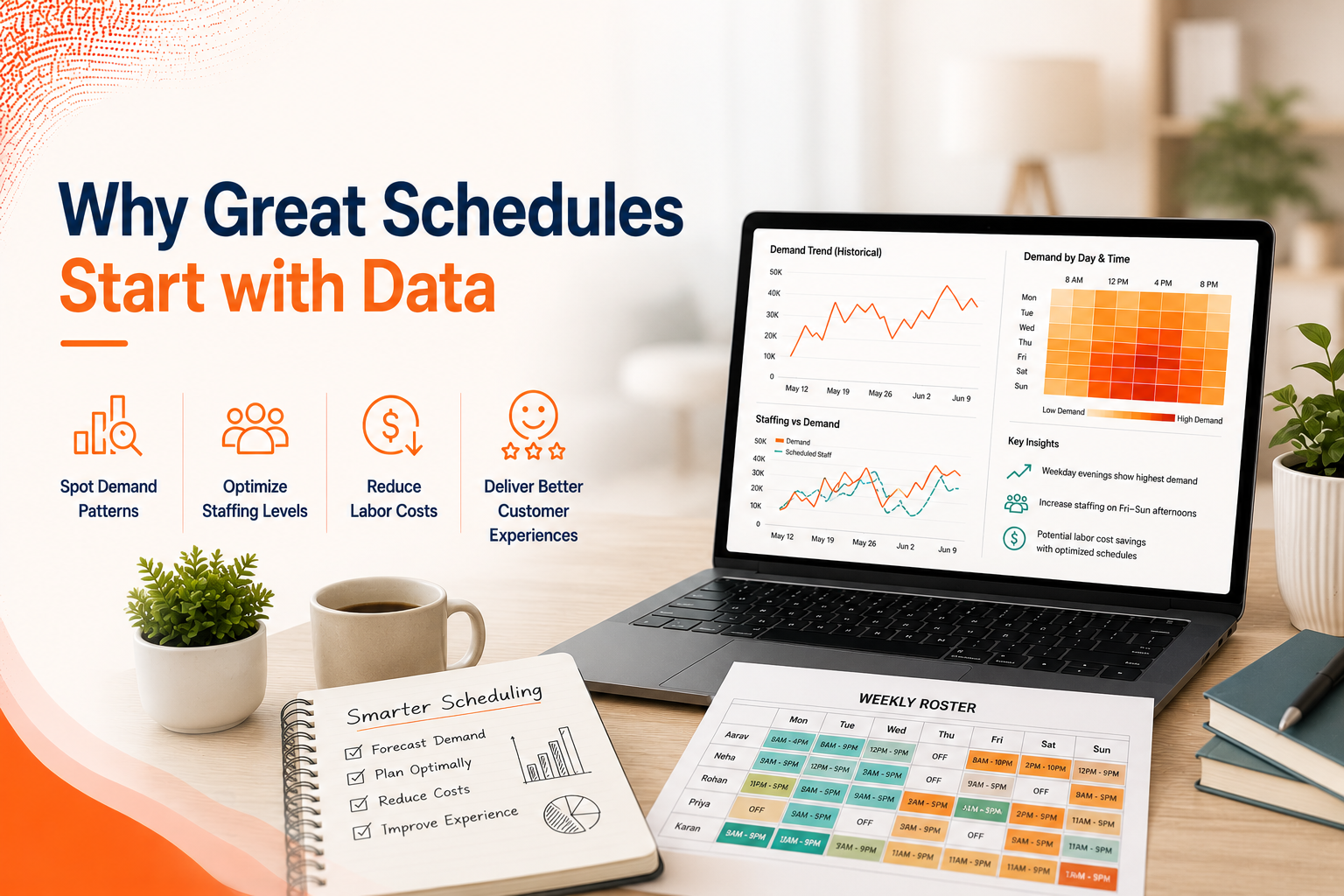
How Historical Data Improves Workforce Scheduling
Learn how historical data helps businesses improve workforce scheduling by identifying demand patterns, optimizing staffing levels, reducing…
Read more