

How AI Workforce Scheduling Is Transforming Retail and Hospitality Operations
Discover how AI-powered workforce scheduling helps retail and hospitality businesses optimize staffing, reduce labour costs, improve productivity, and respond to changing customer demand.
For most retail and hospitality businesses, labour is one of the largest operating expenses. At the same time, having too few employees on the floor can lead to long queues, poor customer service, delayed operations, and lost sales.
Finding the right balance has never been easy.
Store managers often spend hours creating weekly rosters, adjusting shifts, handling leave requests, and responding to unexpected changes. As businesses expand across multiple locations, workforce planning becomes increasingly complex.
Today, Artificial Intelligence (AI) is helping retailers and hospitality brands move away from manual scheduling and towards smarter, data-driven workforce planning.
Why Workforce Scheduling Has Become More Complex
Customer demand is no longer predictable.
A normal weekday can suddenly become one of the busiest days because of:
- A promotional campaign
- Local festivals or public holidays
- Weather changes
- Sporting or entertainment events
- Seasonal shopping trends
- Online order spikes
At the same time, businesses must also consider:
- Employee availability
- Shift preferences
- Skill requirements
- Labour regulations
- Overtime limits
- Budget constraints
Managing all these variables manually often results in inefficient schedules that increase labour costs or impact customer experience.
The Limitations of Manual Scheduling
Many businesses still rely on spreadsheets to prepare employee rosters.
While spreadsheets are familiar and inexpensive, they become difficult to manage as operations grow.
Some of the common challenges include:
- Overstaffing during low-demand periods
- Understaffing during peak hours
- Uneven distribution of shifts
- Excessive overtime costs
- Frequent last-minute schedule changes
- Limited visibility across multiple stores
For multi-location businesses, these inefficiencies can significantly affect profitability.
How AI Changes Workforce Planning
Unlike traditional scheduling methods, AI evaluates multiple variables simultaneously before creating an optimized roster.
Modern workforce scheduling platforms can consider factors such as:
- Historical sales data
- Forecasted customer footfall
- Employee availability
- Staff skills and certifications
- Preferred working hours
- Leave requests
- Labour policies
- Store operating hours
Instead of creating schedules based on assumptions, AI generates rosters based on actual business requirements.
The result is better workforce utilization without increasing management effort.
Smarter Demand Forecasting Leads to Better Staffing
One of AI's biggest strengths is its ability to predict staffing requirements.
By analysing historical trends alongside external factors, AI can estimate expected customer demand more accurately.
For example, the system can identify:
- Stores likely to experience weekend rushes
- Seasonal demand increases
- Holiday shopping peaks
- Campaign-driven traffic
- Recurring busy periods
Operations teams can then schedule employees accordingly instead of reacting after customer queues begin to form.
Benefits Beyond Labour Cost Savings
Although labour optimization is often the primary objective, AI scheduling delivers benefits across multiple areas of the business.
Better Customer Experience
Having the right number of employees available during busy periods improves service speed, reduces waiting times, and enhances customer satisfaction.
Higher Employee Satisfaction
AI can create fairer schedules by considering employee preferences, availability, and balanced shift allocation.
This reduces scheduling conflicts while improving workforce morale.
Improved Operational Efficiency
Managers spend less time preparing schedules and more time focusing on store performance, coaching employees, and improving customer experience.
Data-Driven Decision Making
Regional and operations managers gain better visibility into workforce performance across multiple locations, helping them make informed staffing decisions.
Scaling Workforce Planning Across Multiple Locations
As businesses grow, workforce planning becomes increasingly difficult to manage manually.
AI-powered scheduling platforms provide centralized visibility across all stores, allowing organizations to:
- Standardize workforce planning
- Monitor labour utilization
- Reduce overtime costs
- Compare staffing efficiency between locations
- Improve scheduling consistency
- Allocate resources more effectively
This enables retailers and hospitality businesses to scale operations without proportionally increasing management complexity.
The Future of Workforce Management
AI is no longer simply generating employee schedules.
Modern workforce management platforms are evolving to support broader operational decision-making by combining workforce planning with sales forecasts, store performance, attendance tracking, and operational analytics.
As AI continues to improve, businesses will be able to anticipate staffing requirements with even greater accuracy while balancing operational efficiency and employee satisfaction.
Learn More from the Founder Talk
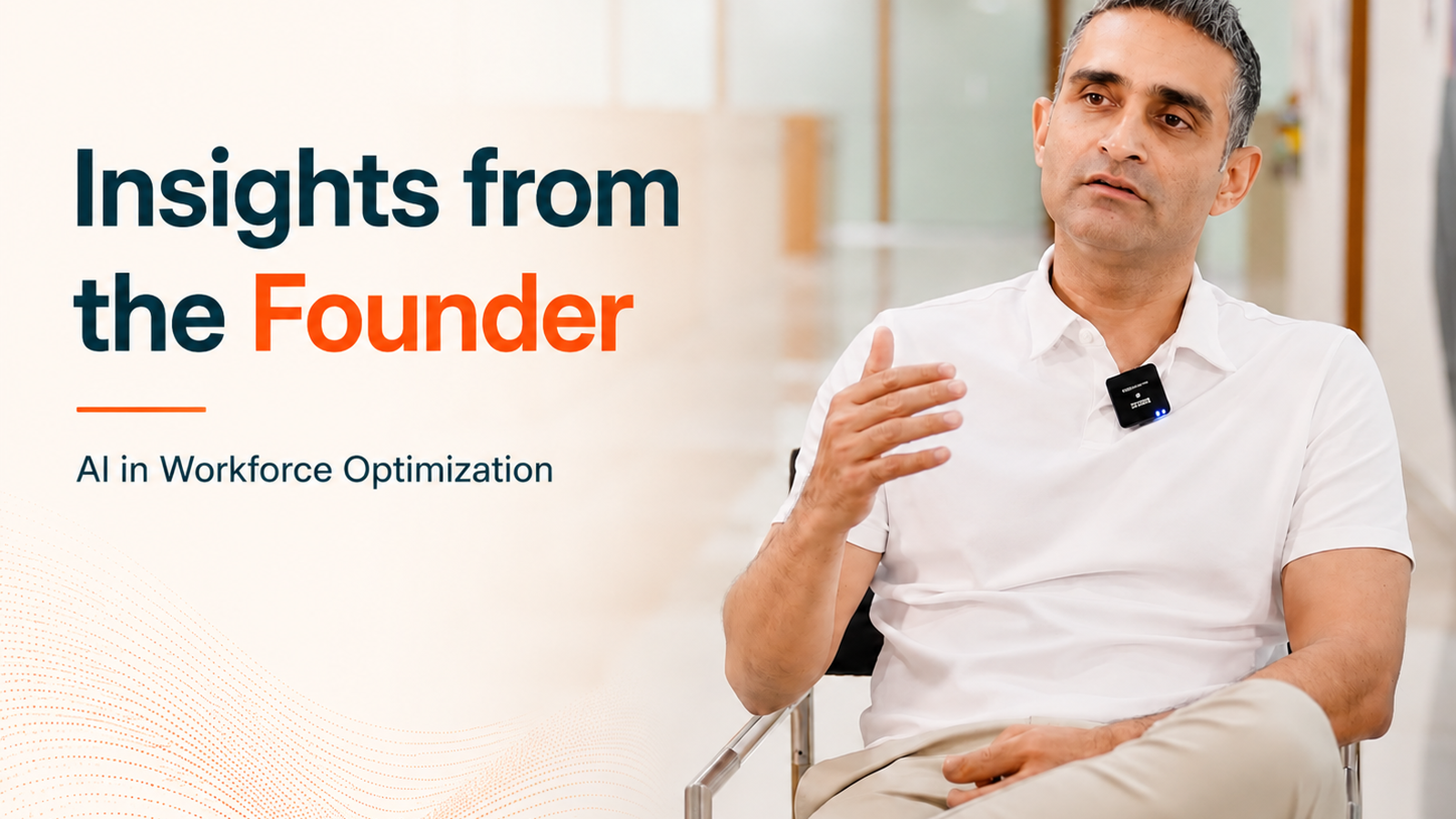
In a recent Founder Talk hosted by JioGenNext Academy, Yogesh Bhatt, Co-founder and CEO of NymbleUp, discussed how AI and mathematical optimization techniques are helping retail and hospitality businesses transform workforce scheduling and operational efficiency.
The session explores practical approaches to workforce optimization, demand forecasting, and AI-driven scheduling for multi-location businesses.
Watch the complete Founder Talk here:
https://www.youtube.com/watch?v=6WhWeqFxGoQ
Final Thoughts
Effective workforce planning is no longer just an HR function. It has become a strategic advantage for retail and hospitality businesses.
Organizations that continue relying on manual scheduling will find it increasingly difficult to balance labour costs, employee expectations, and customer service.
By adopting AI-powered workforce scheduling, businesses can improve operational efficiency, optimize labour utilization, and build more agile operations that are ready to respond to changing demand.
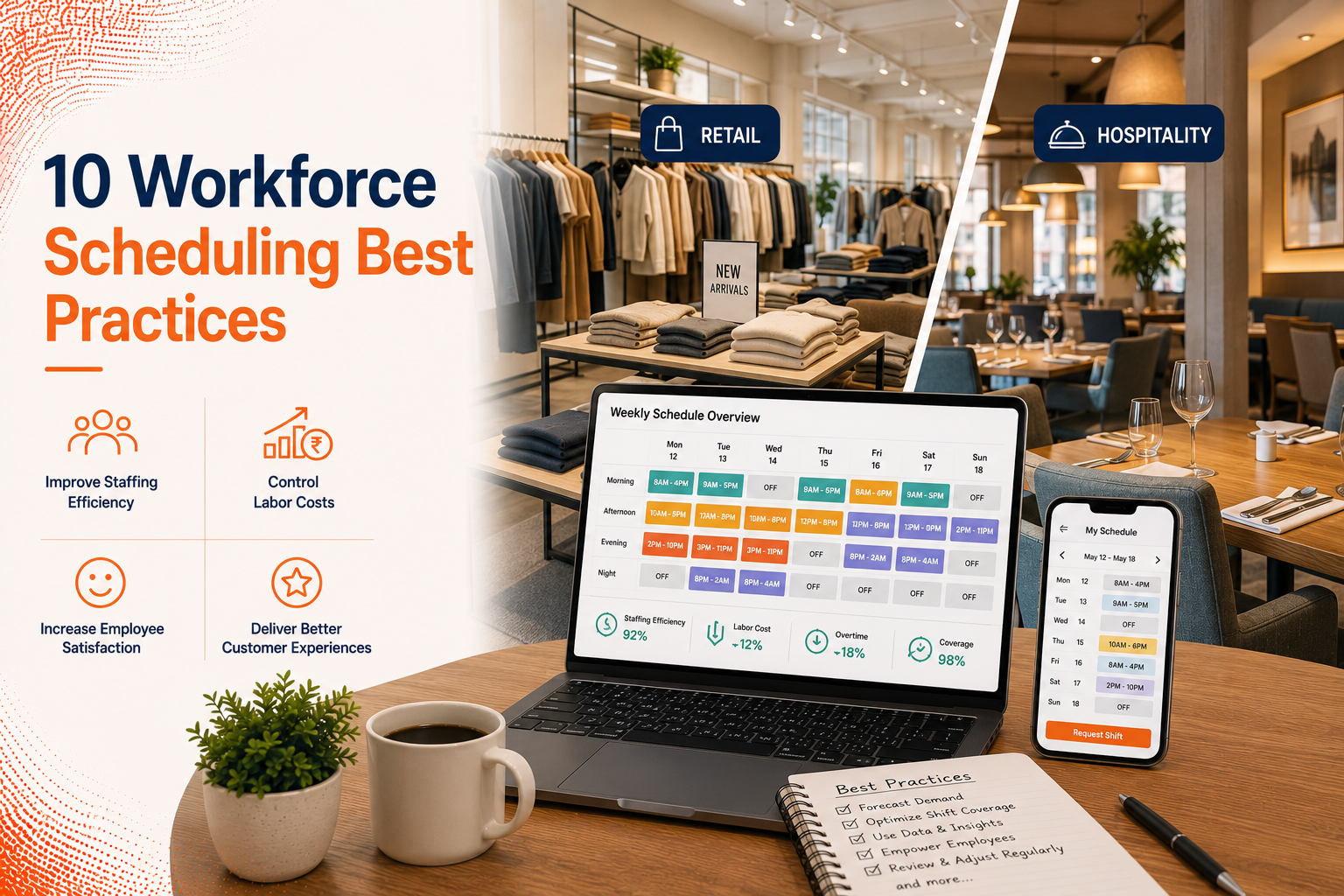
10 Workforce Scheduling Best Practices Every Business Should Follow
Discover 10 workforce scheduling best practices that help businesses improve staffing efficiency, control labor costs, increase employee sat…
Read more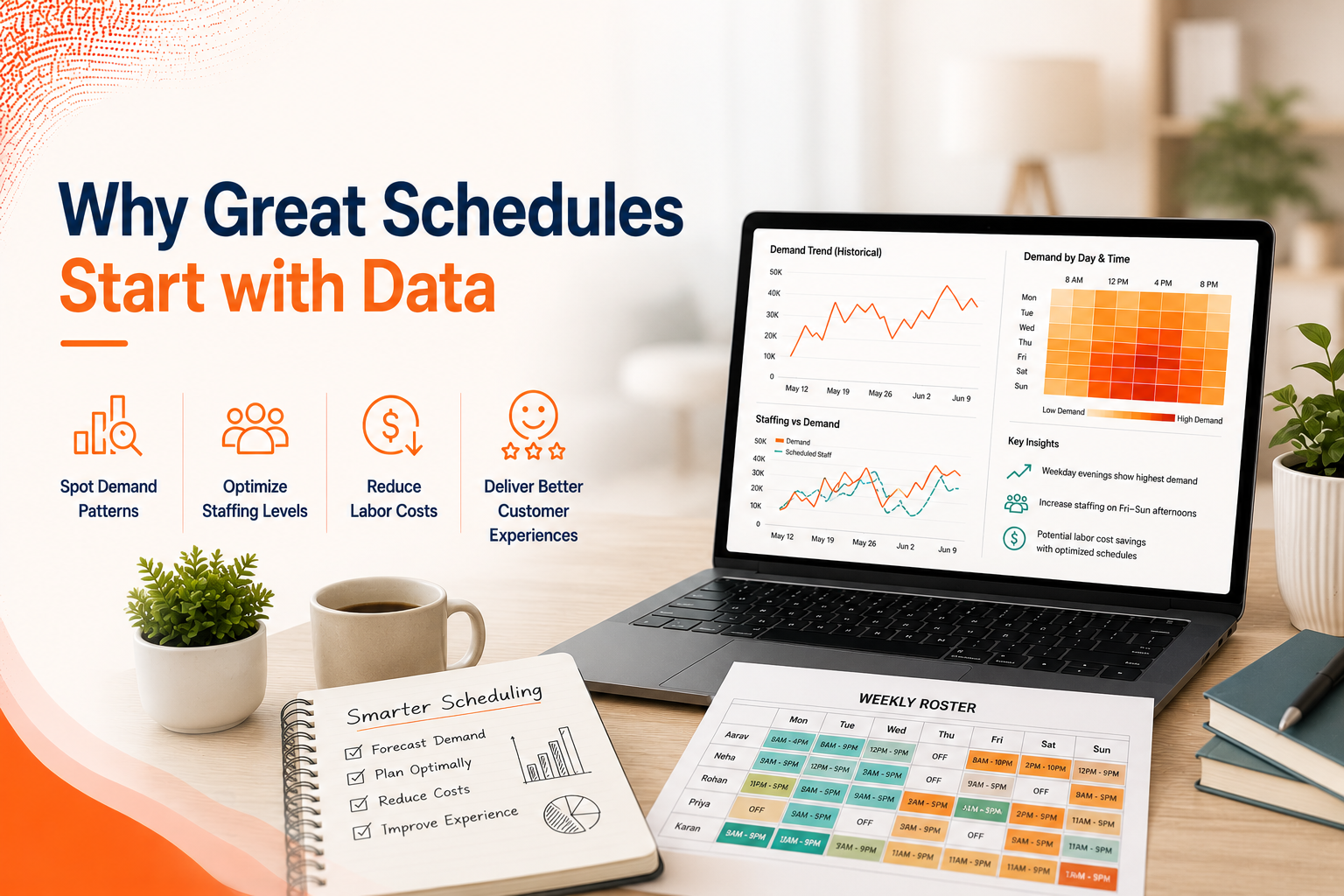
How Historical Data Improves Workforce Scheduling
Learn how historical data helps businesses improve workforce scheduling by identifying demand patterns, optimizing staffing levels, reducing…
Read more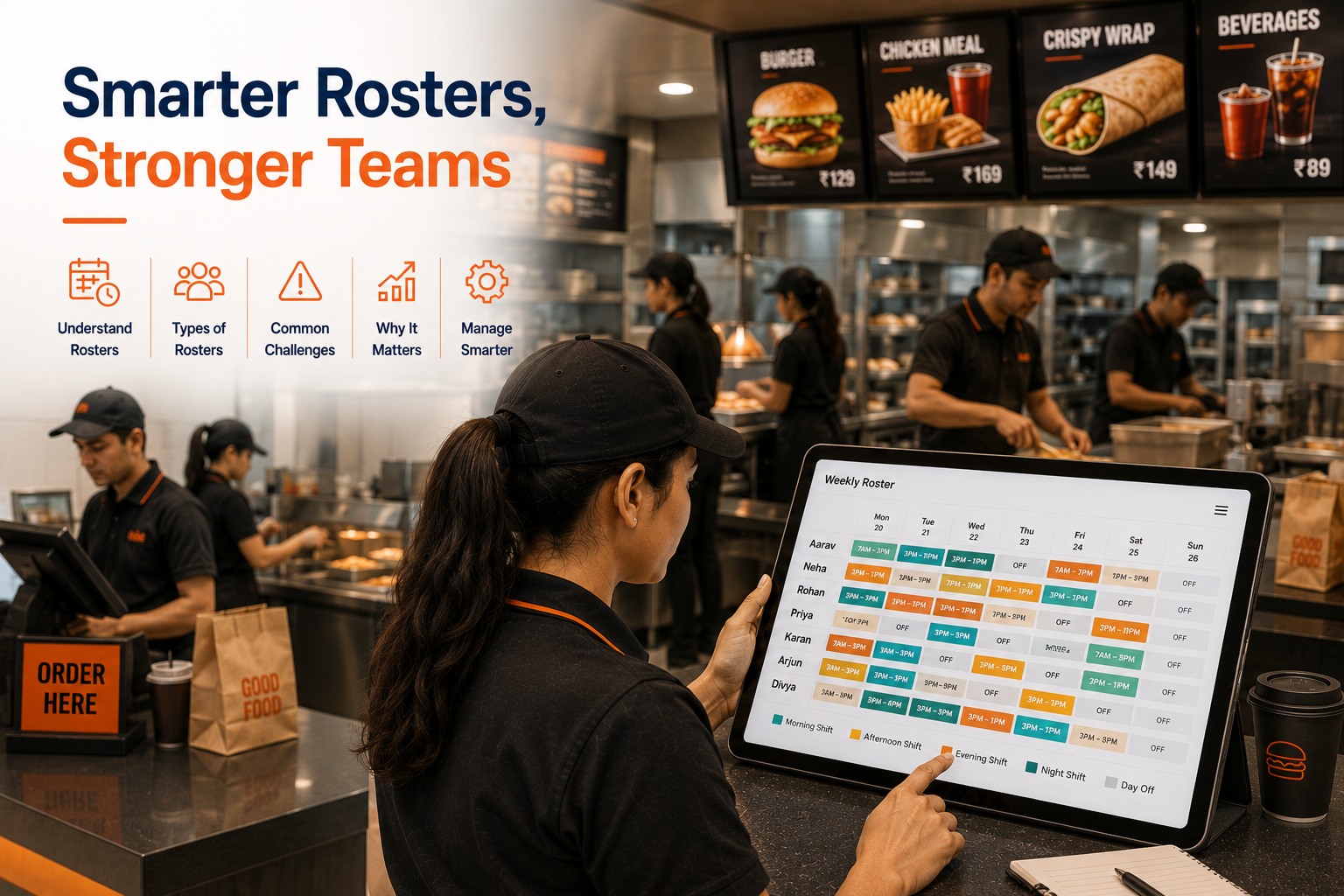
What Is an Employee Roster? Everything You Need to Know
Learn what an employee roster is, why it matters, the different types of employee rosters, common rostering challenges, and how businesses c…
Read more