

6 Common Monsoon Guest Complaints Hotels Can Prevent
Guests don't lower their expectations during the monsoon season. They still expect clean rooms, responsive service, clear communication, and a seamless stay experience. However, rainy weather often exposes operational gaps that impact guest satisfaction. This blog explores common monsoon-related guest complaints and the operational practices hotels can implement to maintain service quality and protect guest experience.
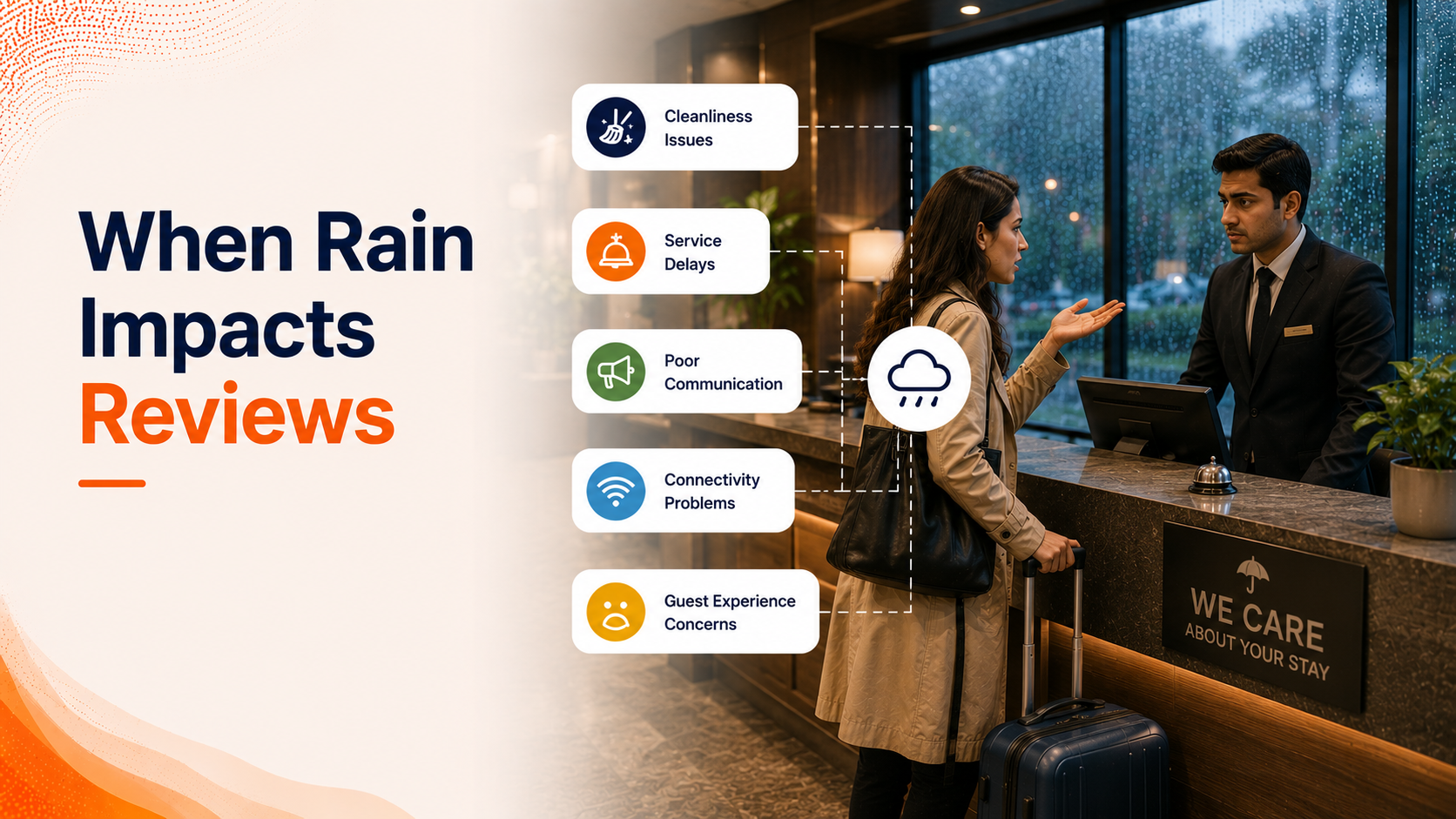
When guests check into a hotel during the monsoon season, they understand that the weather is outside anyone's control.
What they do expect, however, is a comfortable room, prompt service, clean facilities, and a smooth guest experience.
The challenge for hotel operators is that monsoon conditions often put additional pressure on day-to-day operations. Increased housekeeping requirements, staffing disruptions, delayed service requests, and inconsistent communication can quickly turn into guest complaints.
Hotels that focus on operational preparedness are better positioned to maintain service standards and guest satisfaction, regardless of the weather.
Why Guest Experience Matters More During the Monsoon
Guests often spend more time inside the property during rainy weather.
This naturally increases interactions with:
- Front office teams
- Housekeeping staff
- Room service teams
- Concierge services
- Maintenance teams
- Hotel restaurants and amenities
As guest interactions increase, even small operational gaps become more visible and can influence overall satisfaction and online reviews.
1. "My Room Wasn't Ready on Time"
After a long journey, guests expect a seamless check-in experience.
However, during the monsoon season, delayed housekeeping cycles, staffing shortages, room maintenance issues, or poor coordination between departments can impact room readiness.
When rooms are not available as promised, guest frustration begins before the stay has even started.
Hotels can reduce these situations by standardizing room preparation procedures, assigning clear responsibilities, and ensuring room readiness tasks are completed and tracked consistently.
2. "Nobody Updated Me About the Delay"
Guests are generally understanding when delays occur.
Problems arise when there is a lack of communication.
Whether it is a delayed room, a maintenance request, or a service issue, guests want timely updates and realistic expectations.
Without a structured process for communication and escalation, requests can get lost between departments, resulting in unnecessary frustration and poor guest experiences.
Clear workflows and accountability help ensure guest requests are acknowledged, tracked, and communicated effectively.
3. "The Pool Didn't Look Clean"
For many guests, especially families and leisure travelers, hotel amenities are an important part of the overall experience.
Heavy rainfall can affect outdoor facilities such as swimming pools, resulting in debris accumulation, cloudy water, slippery surroundings, or delayed cleaning schedules.
While weather conditions may be unavoidable, guests still expect facilities to be clean, safe, and well-maintained.
Regular inspections, documented maintenance procedures, and clearly assigned responsibilities help ensure hotel amenities remain guest-ready throughout the season.
4. "Different Staff Gave Different Answers"
One of the fastest ways to lose guest confidence is through inconsistent communication.
Guests expect the same answer whether they speak with the front desk, housekeeping, concierge, or guest services team.
This issue often becomes more noticeable during busy periods when teams rely on verbal communication or temporary workarounds.
Standardized operating procedures help ensure all employees follow the same service guidelines and provide a consistent experience across every guest touchpoint.
5. "The Service Felt Slow During My Stay"
Rainy weather can increase operational pressure across multiple departments.
Additional guest requests, attendance challenges, higher occupancy levels, and increased coordination requirements can all impact service delivery.
Guests may notice slower response times for housekeeping requests, room service, luggage assistance, or guest support.
Proper workforce planning and shift management help hotels maintain service levels and allocate resources effectively during periods of disruption.
6. "The Hotel Seemed Unprepared"
Guests often form their impression of a hotel based on a collection of small experiences.
Examples include:
- Delayed umbrella assistance
- Unavailable rain protection at entrances
- Slow luggage support during heavy rainfall
- Inconsistent housekeeping response
- Staff uncertainty during unexpected situations
Individually, these may appear minor. Collectively, they influence how prepared and professional a property appears.
Hotels that train employees, document seasonal procedures, and establish clear operational expectations are better equipped to deliver a consistent guest experience.
What Helps Hotels Deliver a Better Guest Experience During the Monsoon?
Hotels that maintain high guest satisfaction during the monsoon season typically focus on a few operational fundamentals:
- Clear Service Standards Across Departments
Ensure front office, housekeeping, maintenance, and guest service teams follow consistent procedures across all shifts. - Faster Resolution of Guest Requests
Track guest requests from reporting to resolution to improve response times and accountability. - Adequate Staffing During Peak Demand
Maintain the right staffing levels during peak occupancy periods and weather-related disruptions. - Monsoon-Ready Hotel Teams
Prepare employees to handle seasonal challenges while maintaining service standards. - Real-Time Visibility into Hotel Operations
Give managers visibility into open requests, service delays, and operational bottlenecks before they impact guests.
What Guests Remember Most During the Monsoon
Guests rarely remember how much it rained during their stay.
They do remember:
- Whether check-in was smooth
- How quickly their concerns were addressed
- The cleanliness of facilities
- The responsiveness of staff
- The consistency of service throughout their stay
Hotels that focus on these operational details are more likely to maintain positive reviews, stronger guest satisfaction scores, and higher repeat bookings.
Conclusion
While hotels cannot control the weather, they can control how effectively they respond to it.
Monsoon season often exposes operational gaps that directly affect guest experience, from room readiness and communication to staffing and facility management.
By standardizing procedures, improving coordination between departments, and preparing teams for seasonal challenges, hotels can minimize guest complaints and maintain service consistency throughout the season.
The properties that stand out during the monsoon are not necessarily those with the best facilities, but those with the best operational execution.

Festive Season Readiness Checklist for Retail Stores
Prepare your retail stores for festive season with a checklist covering pricing accuracy, stock readiness, billing, staffing, crowd safety, …
Read more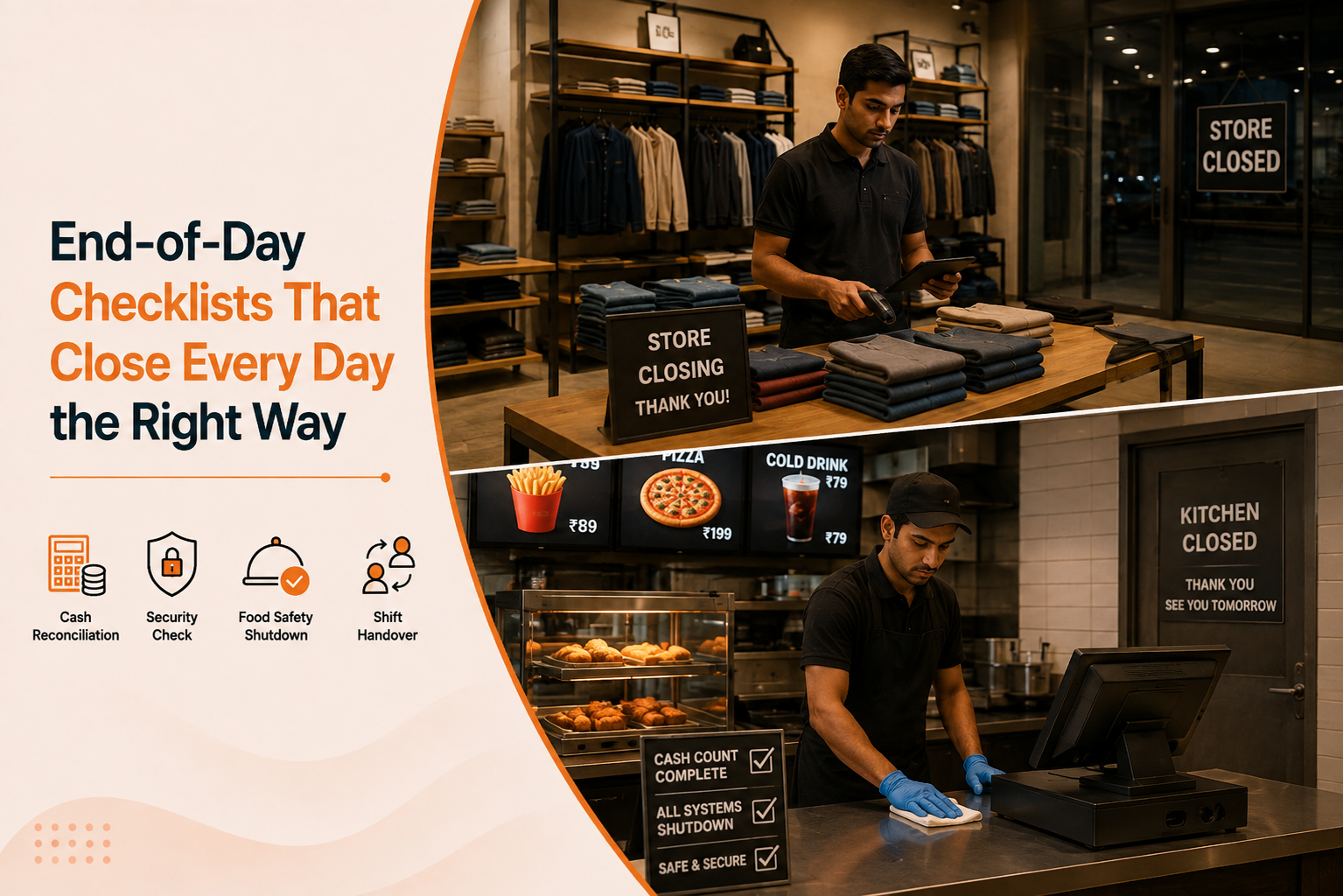
Retail Store and QSR Closing Checklist: Complete Guide
Read more
How to Open a Retail Store or QSR : A Step-by-Step Opening Checklist Guide
Why most opening checklists fail before the first mistake even happens, and how to build one that actually holds up across every shift and l…
Read more