

What Your Store Cameras Know About Your Business (That You Don't)
Your store cameras capture more than security footage. Discover how AI video analytics transforms existing CCTV systems into business intelligence, helping retailers improve operational visibility, optimize performance, and make smarter decisions.
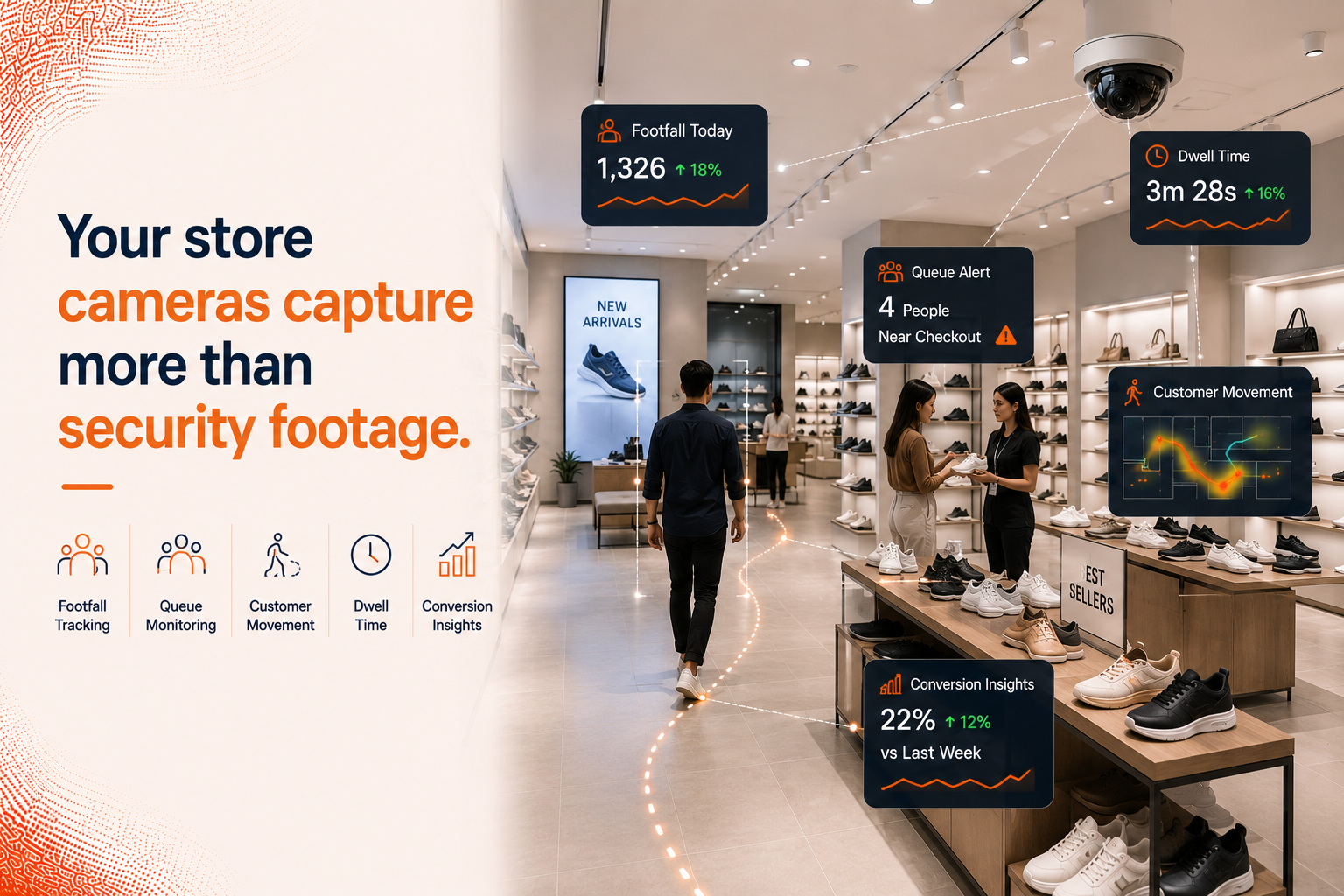
Every retail store generates an incredible amount of information every single day. Customers walk through different sections of the store. Employees move between departments. Checkout counters become busy and then quiet again. Promotional displays attract attention while others are ignored. Peak shopping hours come and go.
All of these activities are already being recorded. Yet for most retailers, those recordings are only revisited when something goes wrong.
- A theft.
- A customer dispute.
- An operational incident.
Everything else remains stored, archived, and eventually overwritten. The surprising reality is that businesses are already collecting one of their richest sources of operational data. The challenge isn't installing more cameras or generating more reports. It's recognising the business intelligence that already exists inside the footage being captured every day.
This is where AI video analytics is changing the role of store cameras.
Instead of acting solely as security devices, they become a continuous source of operational intelligence that helps retailers understand how their stores perform, identify opportunities for improvement, and make smarter business decisions.
Store Cameras Have Always Collected More Than Security Footage
For decades, CCTV systems have been an essential part of retail operations.
Businesses primarily install cameras to:
- Improve store security.
- Investigate incidents.
- Reduce shrinkage and theft.
- Protect employees and customers.
- Support compliance and safety.
- Monitor entrances, exits, and sensitive areas.
These objectives remain just as important today. However, cameras never record only security incidents. They record everything happening inside a store throughout the day.
- Every customer interaction.
- Every movement across the sales floor.
- Every operational activity.
- Every busy and quiet period.
For years, businesses had no practical way of extracting meaningful insights from this information because manually reviewing hundreds of hours of footage simply wasn't feasible.
As a result, one of the richest operational data sources available to retailers remained largely untapped.
The Data Is Already There
Every day, your existing cameras quietly observe how your business operates.
Without asking employees to complete additional reports or requiring customers to share more information, cameras continuously capture operational patterns that reflect what is happening across the store.
This includes:
- Customer movement throughout different areas of the store.
- Traffic patterns across departments.
- Busy and quiet trading periods.
- Queue formation during peak hours.
- Store occupancy throughout the day.
- Employee movement across operational zones.
- Customer engagement with promotional displays.
- Activity around premium or high-value merchandise.
- Congestion in popular shopping areas.
- Customer dwell time in specific sections.
Each of these observations may appear insignificant on its own. When viewed collectively over days, weeks, or months, they reveal valuable operational trends that would be almost impossible to identify through manual observation alone.
This is the difference between simply recording activity and truly understanding how a store operates.
The Real Challenge: Making Data Useful
Retailers often believe they need more dashboards, more reports, or more operational data. In reality, most businesses already have access to an enormous amount of information.
The real challenge is converting thousands of hours of raw video into insights that operations teams can actually use.
Without automation:
- Teams cannot realistically review every recording.
- Valuable operational trends remain hidden.
- Important issues are often identified only after they affect business performance.
- Managers rely on periodic store visits instead of continuous visibility.
- Regional teams struggle to compare operational performance across multiple locations.
- Decision-making often depends on assumptions rather than objective operational data.
As businesses grow, this challenge becomes even more significant. Reviewing footage from a single store is difficult enough. Reviewing footage across dozens or hundreds of locations quickly becomes impossible.
This is why many organizations possess valuable operational data without ever benefiting from it.
Turning Video Into Business Intelligence
AI video analytics bridges the gap between recorded footage and operational decision-making.
Instead of simply storing video files for future reference, AI continuously analyses activity taking place inside the store. Patterns begin to emerge. Operational events become measurable.
Business teams receive structured insights rather than hours of recordings. Instead of asking store managers to explain what happened yesterday, leadership teams gain objective visibility into operational performance across every location.
Rather than manually searching through video footage, managers receive dashboards, alerts, and reports that help them identify meaningful trends much faster.
The conversation changes from reviewing footage to understanding operations. The true value no longer lies in the recordings themselves. It lies in the intelligence that can be extracted from them.
Moving From Reactive Monitoring to Proactive Operations
Traditional CCTV systems are largely reactive. Businesses review footage after an incident has already occurred.
AI video analytics introduces a proactive approach by continuously analysing operational activity and highlighting patterns that deserve attention.
Instead of waiting for problems to surface, retailers can:
- Identify recurring operational trends.
- Detect changes in customer behaviour over time.
- Improve visibility across multiple stores.
- Support faster operational decision-making.
- Focus on continuous operational improvement rather than isolated incidents.
This shift enables businesses to spend less time looking backwards and more time improving everyday operations.
For retailers managing multiple locations, this proactive visibility becomes increasingly valuable as operations continue to grow.
Why This Matters for Multi-Location Retailers
Managing operations becomes increasingly complex as businesses expand. A store manager may have complete visibility into one location, but regional managers and operations leaders are responsible for understanding performance across dozens or even hundreds of stores.
Traditional reporting methods often make this difficult. Store visits provide only a snapshot of daily operations. Manual reports vary in quality and consistency.
Operational issues may remain unnoticed until they begin affecting customer experience or business performance. This is where AI video analytics creates a significant advantage.
By converting video footage into standardized operational insights, businesses gain a consistent view of performance across every location.
Instead of relying solely on individual store updates, leadership teams can identify patterns across the entire network and make decisions using the same set of operational data.
For multi-location retailers, this means they can:
- Compare operational performance across stores.
- Identify locations that require additional support.
- Detect recurring issues before they become larger operational challenges.
- Measure improvements over time using consistent data.
- Share best practices between high-performing and underperforming locations.
- Improve collaboration between store managers, regional teams, and head office.
Rather than managing every location independently, businesses gain a connected view of operations across the organization.
What Changes When Businesses Start Using AI Video Analytics?
The biggest transformation isn't the cameras themselves, it's how businesses use the information they already collect.
Instead of treating CCTV footage as archived recordings, retailers begin using it as a continuous source of operational intelligence.
This shift changes how decisions are made across the business.
Businesses can:
- Spend less time reviewing footage manually.
- Gain greater visibility into daily store operations.
- Understand operational trends instead of isolated incidents.
- Respond faster to emerging issues.
- Improve consistency across multiple locations.
- Support managers with objective operational insights.
- Make decisions backed by measurable data rather than assumptions.
Perhaps most importantly, AI video analytics helps create a culture of continuous improvement.
Instead of asking, "What went wrong?", businesses begin asking:
- Where can we improve?
- Which stores are performing exceptionally well?
- What operational patterns are changing?
- Which improvements can be replicated across every location?
This shift helps organizations become more proactive and data-driven.
Looking at Existing Infrastructure Differently
For many retailers, CCTV has always been viewed as a necessary operational expense. Once cameras are installed, their value is often measured by how effectively they support security and investigations.
AI video analytics introduces a different perspective. Rather than viewing cameras solely as surveillance tools, businesses can start seeing them as valuable operational assets.
The same infrastructure that records incidents can also provide meaningful insights into how stores function every day. This approach offers several advantages:
- It builds on investments businesses have already made.
- It reduces the need for additional manual data collection.
- It provides continuous operational visibility without disrupting store operations.
- It allows organizations to generate greater value from existing technology.
Instead of replacing current infrastructure, AI enhances it by unlocking information that has always been present but previously inaccessible.
The Future of Retail Is Better Data Utilization
Retail businesses are surrounded by information. Sales reports provide transaction data. Inventory systems track stock movement. Customer feedback highlights service experiences. Audit reports measure compliance. Workforce systems monitor employee schedules.
Video data is now becoming another important source of operational intelligence. The organizations that gain the greatest competitive advantage won't necessarily be the ones collecting the most information. They'll be the ones connecting different data sources to build a clearer understanding of how their business operates.
AI video analytics helps bridge that gap by transforming everyday store activity into meaningful business insights.
As retail operations become increasingly data-driven, this ability to convert visual information into operational intelligence will become a key differentiator for growing businesses.
Conclusion
Every retail business already possesses a valuable source of operational information. It's being captured every minute of every day through existing store cameras. For years, this information has primarily been used for security and incident investigations.
Today, AI video analytics enables businesses to unlock a much broader set of insights that support operational excellence.
Rather than simply recording what happened, retailers can better understand how stores perform, identify operational trends, and make decisions with greater confidence.
The future of retail operations isn't about installing more cameras. It's about making better use of the information businesses already have. Organizations that embrace this shift will be better positioned to improve operational visibility, strengthen consistency across locations, and deliver better customer experiences at scale.
Turn Existing Cameras Into a Competitive Advantage
Your cameras are already collecting valuable operational data. The next step is turning that data into decisions that improve business performance.
With NymbleUp AI Video Analytics, retailers can transform existing CCTV infrastructure into real-time operational intelligence helping teams gain visibility across stores, monitor performance, identify trends, and make faster, more informed decisions.
Book a personalized demo today and discover how NymbleUp can help you turn everyday store activity into actionable business intelligence.
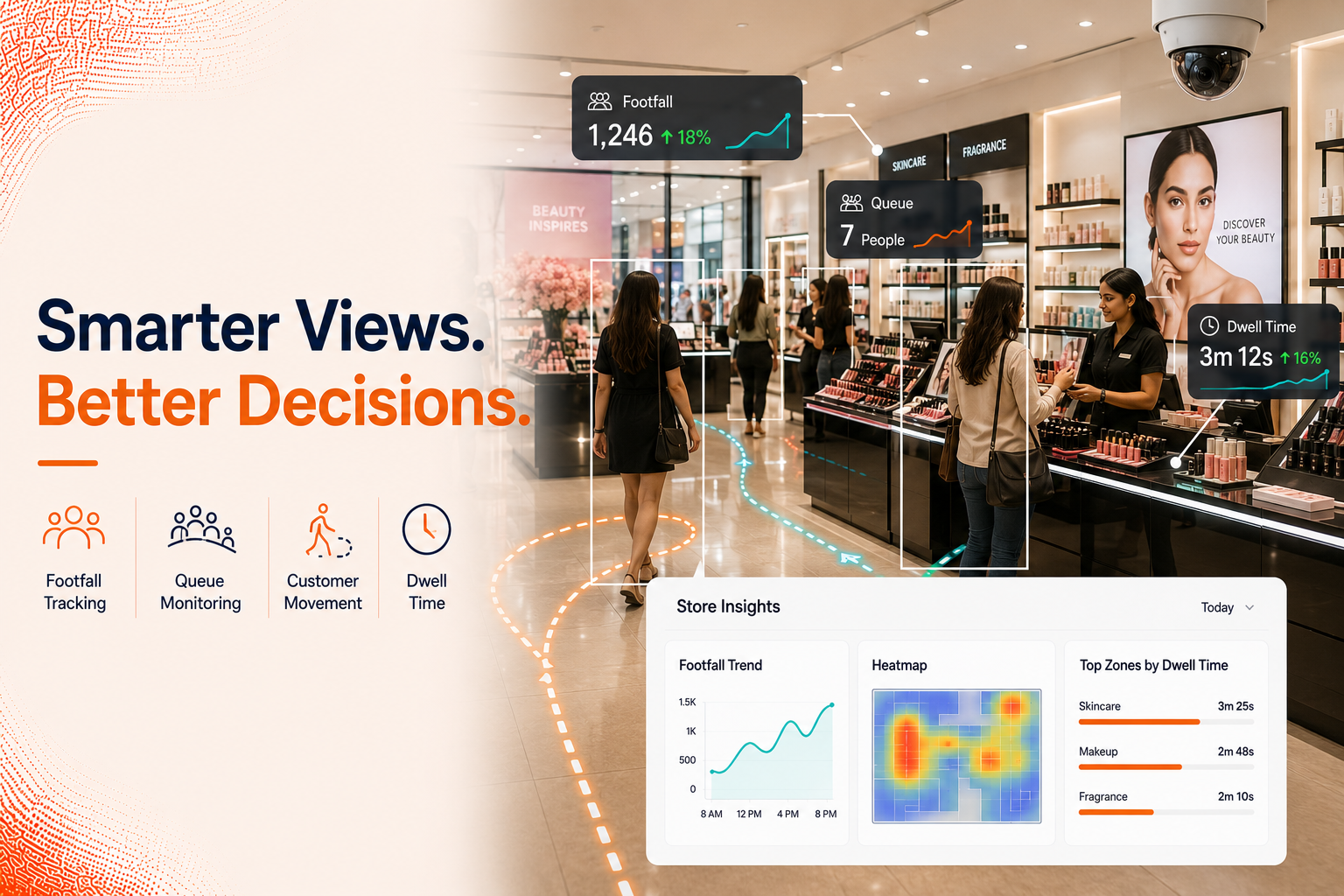
What Can AI Actually Detect Inside a Retail Store?
Discover what AI video analytics can actually detect inside a retail store from footfall and queues to customer movement and dwell time and …
Read more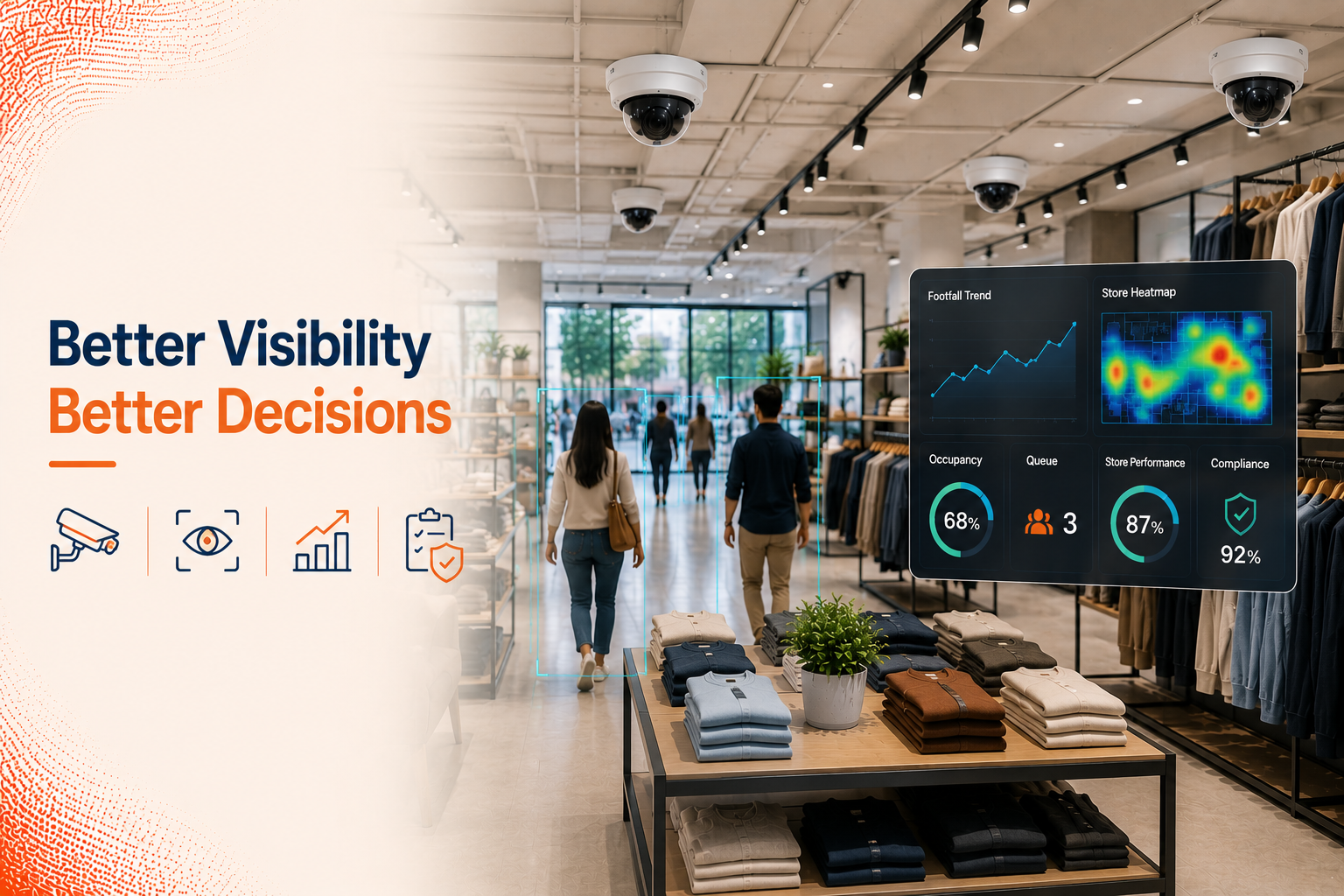
How AI Video Analytics Helps Retailers Make Smarter Business Decisions
Discover how AI video analytics helps retailers make smarter business decisions by improving staffing, customer experience, store performanc…
Read more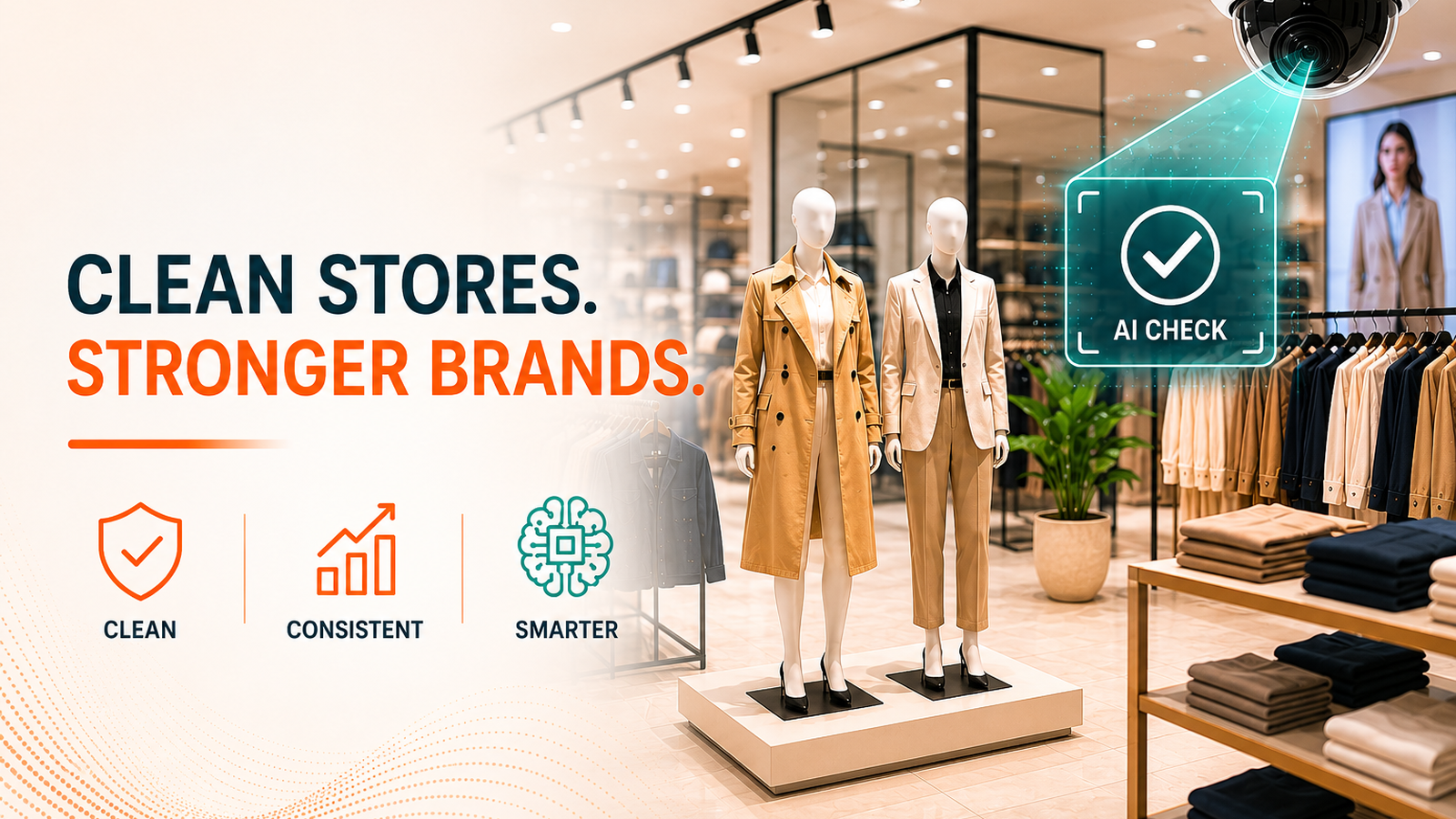
Why Cleanliness Defines Fashion Retail Success And How AI Ensures It Happens Regularly
Discover why the first 30 seconds inside your fashion store influence customer purchases and how AI-powered store monitoring helps maintain …
Read more