

5000+
Stores Deployed
Designed for brands scaling from 10 to 1,000+ locations
AI-Driven Solutions for operations, compliance, and productivity
NymbleUp is the AI-powered workforce and operations platform built for multi-location retail and hospitality brands. Streamline SOP management, audits, workforce scheduling, learning, and analytics in one unified platform to improve compliance, productivity, and operational consistency across every location.


Trusted by Industry Leaders

By The Numbers
5000+
Stores Deployed
Designed for brands scaling from 10 to 1,000+ locations
25K+
Active Users
Across frontline teams
98.4%
Avg Shift Coverage
Across active rollouts
−6.7%
Avg Labor Cost
Within the first 90 days
Platform
Analytics, SOP management, workforce scheduling, and learning which is purpose-built for multi-location retail and hospitality operations. Start with what you need and scale as you grow.
Whether you're managing a single store or a multi-chain enterprise, NymbleUp harnesses the power of AI and computer vision to provide deep insights into customer behavior, store performance, and operational efficiency.
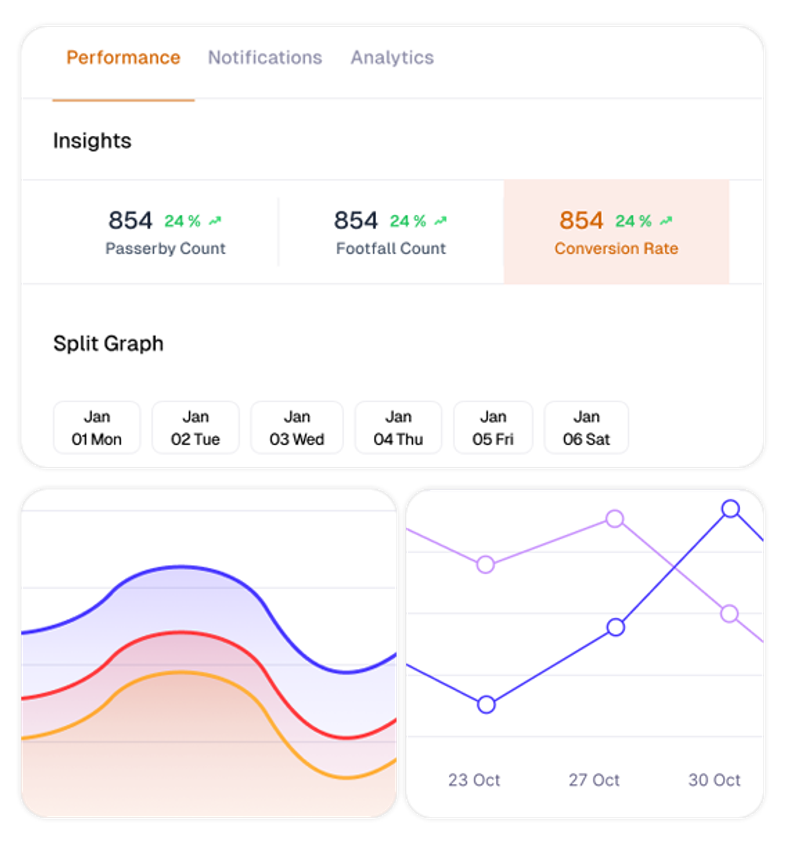
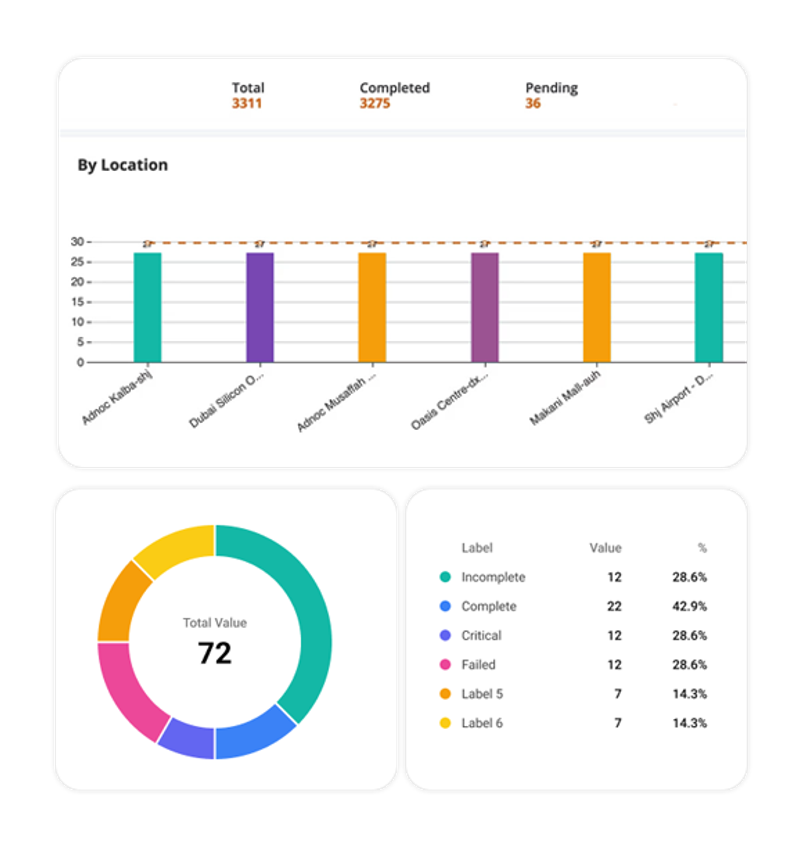
Keep your operations running smoothly. Assign, track, and monitor tasks in real time. Get a clear overview of task completion and operational compliance, so managers can make data-driven decisions and maintain high standards across every location.
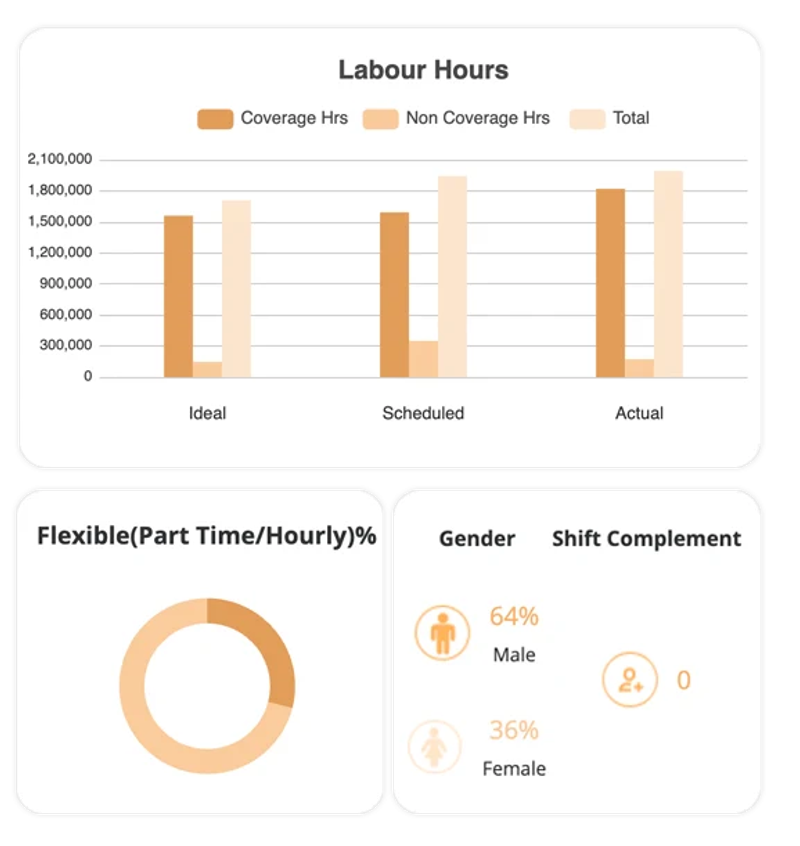
Managing your team efficiently is key to operational success. With AI-driven automation, assign shifts based on availability, skills, and projected demand so the right staff is in place at the right time, without scheduling conflicts.
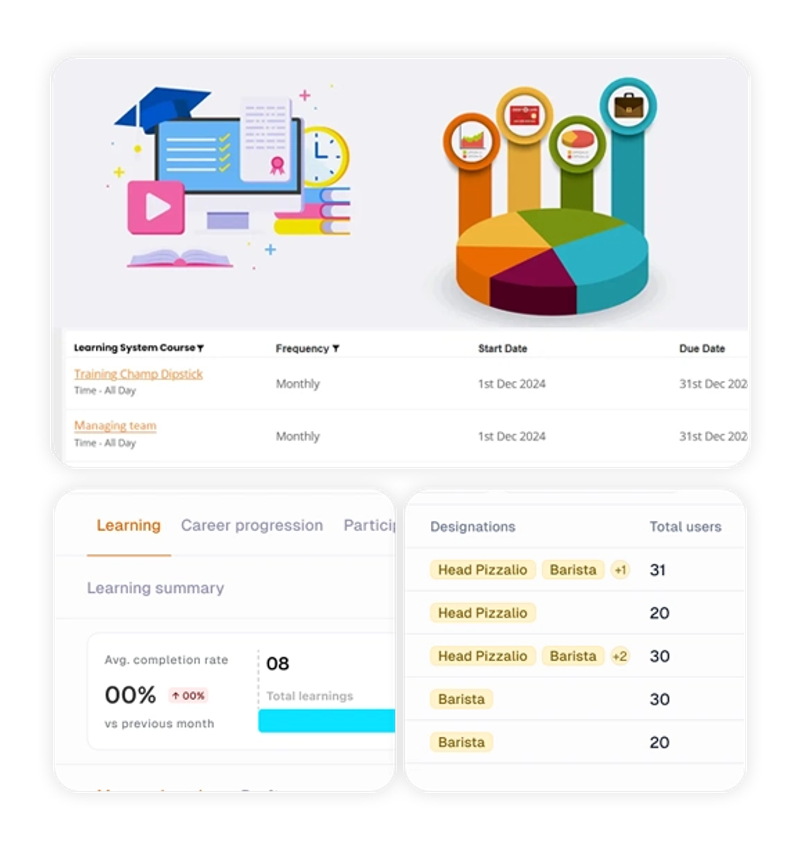
A scalable, mobile-ready platform enabling engaging learning, skill development, and performance growth through self-paced courses, assessments, blended training, real-time insights, and seamless HR integrations. Anytime, anywhere.
Why NymbleUp
Purpose-built modules that help operations teams move faster, stay compliant, and improve store performance
Monitor store operations, workforce activity, compliance, and execution from a centralized dashboard.
Mobile-first SOP workflows help frontline teams complete daily operational tasks consistently.
Automatically track incidents, audits, and compliance issues with real-time escalations and accountability.
Manage audits, SOPs, workforce scheduling, learning, and analytics from one connected platform.
PLATFORM BENEFITS
AI Video Analytics
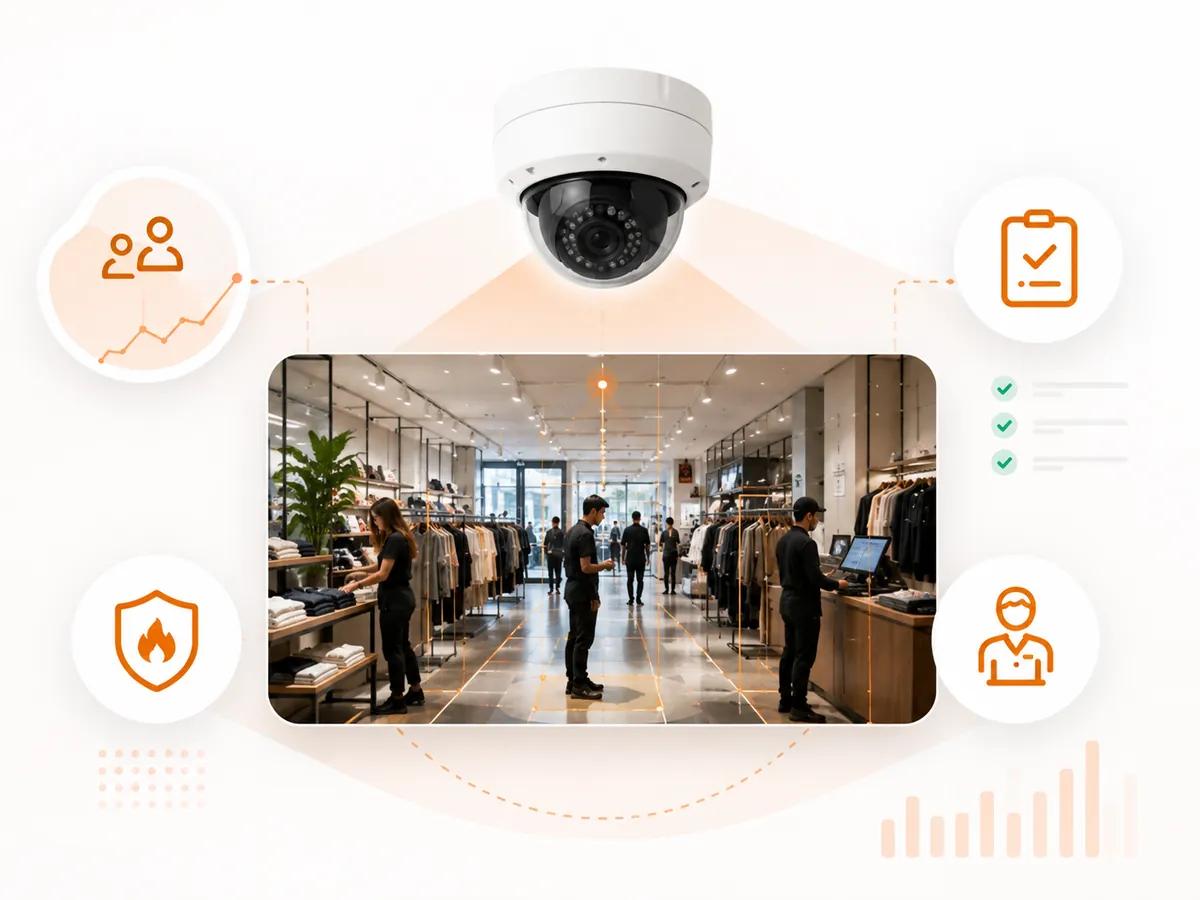
Turn the cameras you already have into operational intelligence. Catch SOP slips before they become incidents, see staffing gaps in real time, and quantify what's working store by store.
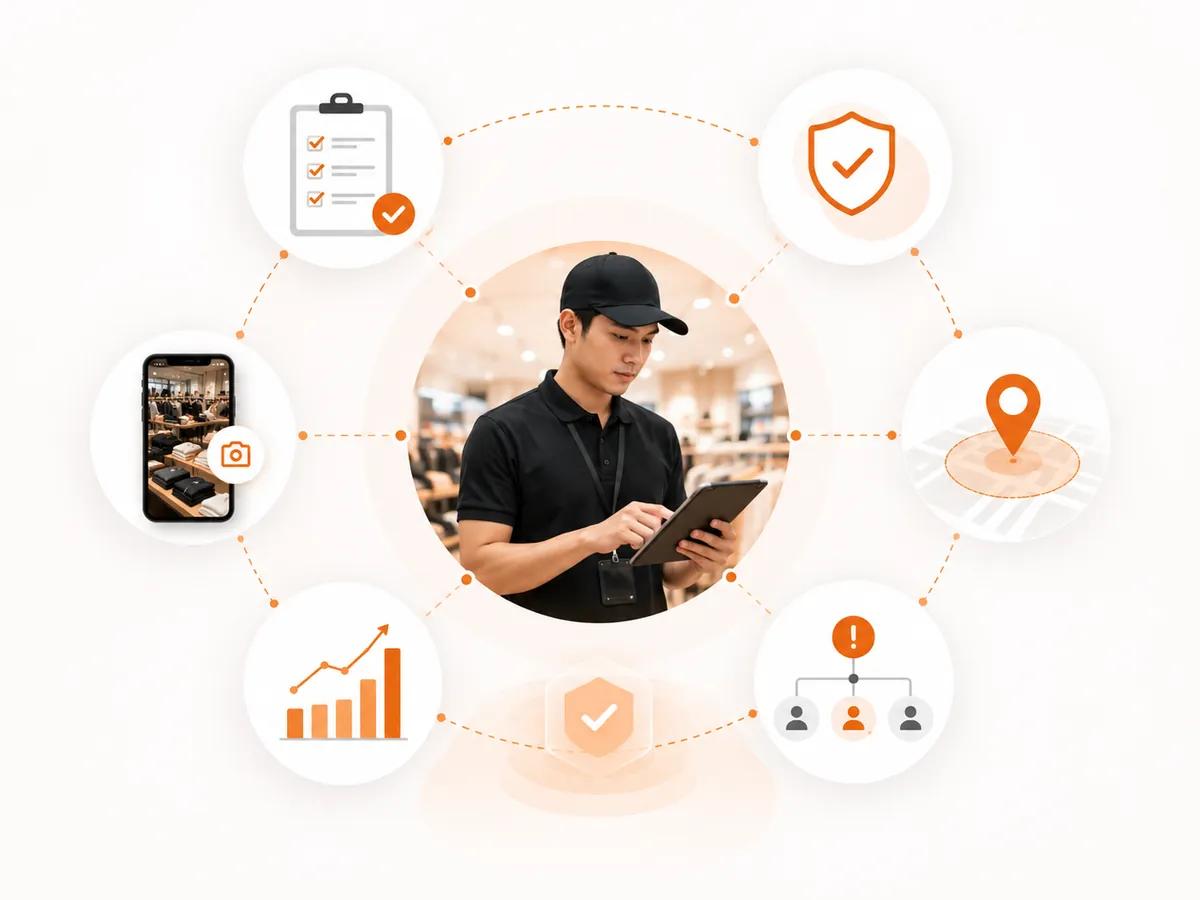
Task & audits
Daily checklists, incident reports, SOP compliance — digitized and automated. Real-time visibility into ground-level operations from a single dashboard.
Workforce
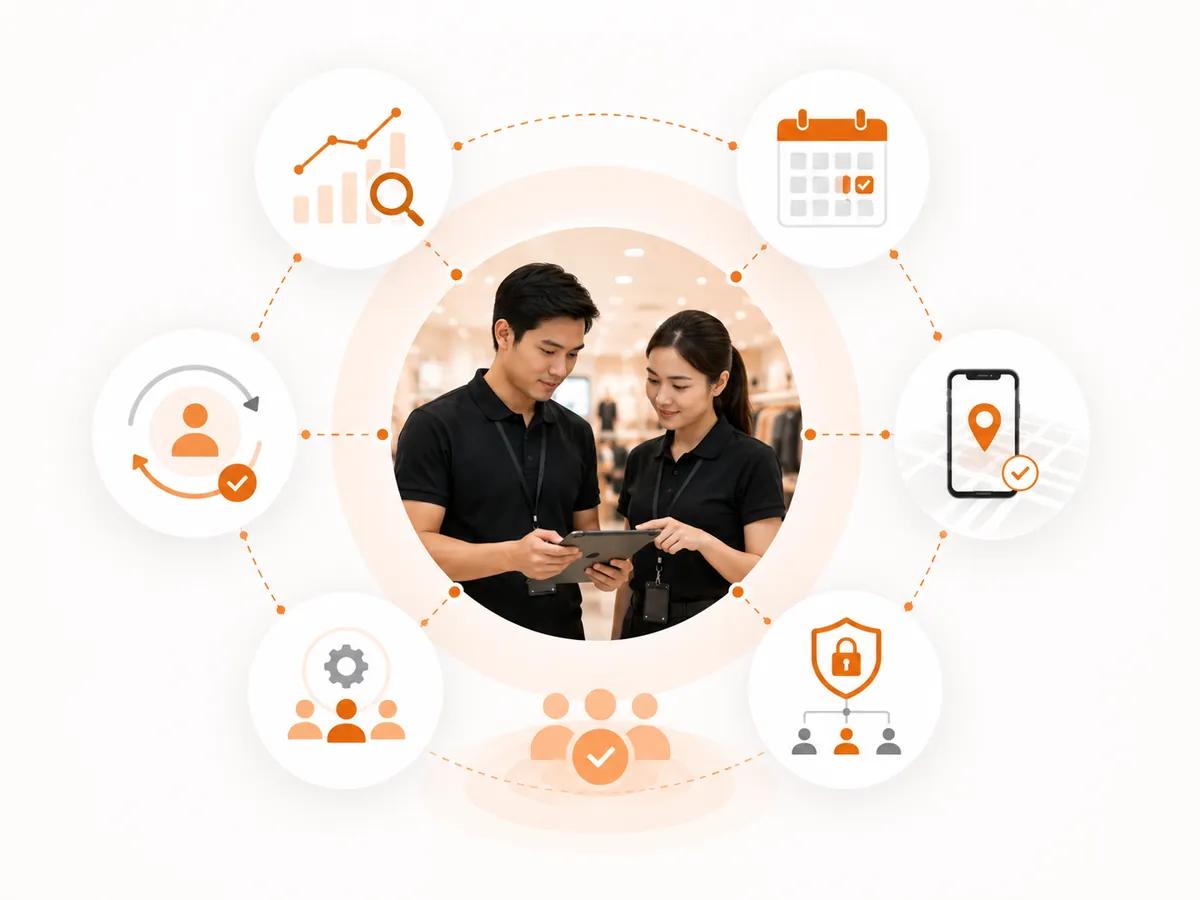
Match staffing to demand, location by location. AI forecasts pull from POS, footfall, and seasonality so the right people are in place at the right time — without manual rostering.
Learning
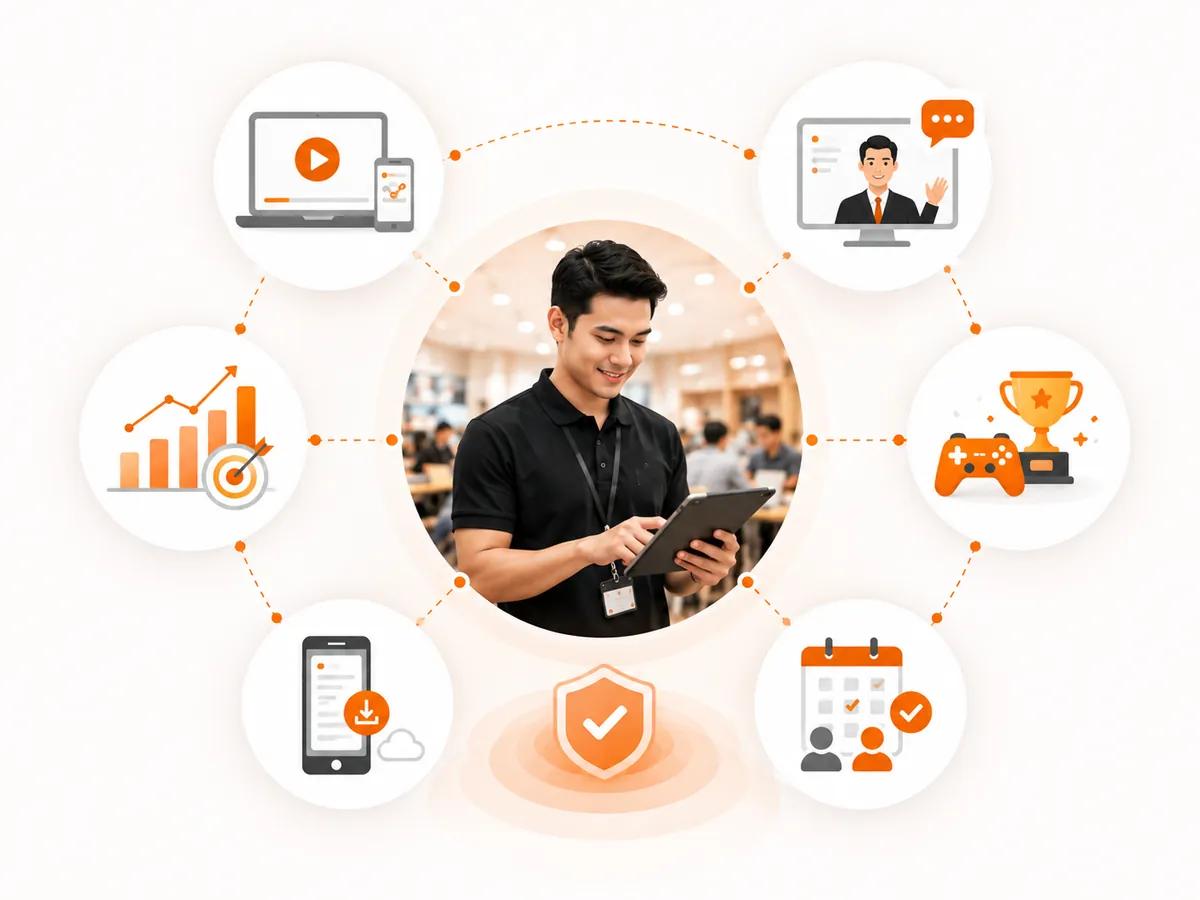
Self-paced eLearning, ILT/VILT sessions, gamified assessments, and mobile-first delivery. New hires up to speed in days, not weeks. Tied directly to performance metrics.
FAQ
Talking through evaluation? These come up most often. Need anything else, just ask.
Ask the teamRollouts are designed for distributed teams: role-based access, standardized templates, and training paths so every location can adopt at its own pace. Most customers start with one module in one region, prove the value, then scale.
Yes — connect HR, workforce, and audit data wherever your stack allows. We support SSO, REST APIs, webhooks, and custom integrations for the systems you already trust.
A typical pilot is 4-6 weeks: data integration, configuration, two stores onboarded, KPIs locked. Once the pilot is signed off, full-chain rollout takes 6-12 weeks depending on store count.
Multi-location retail, fashion & apparel, grocery & supermarket, hospitality, hotels, and QSR brands across India, Malaysia, Indonesia, and the UAE. The platform is industry-agnostic but we ship vertical-specific templates for each.
Data is encrypted at rest and in transit. Tenant isolation, role-based access controls, audit logs, and configurable data residency are standard. SOC 2 readiness in progress; compliance docs available on request.
Join 5,000+ stores across India, Malaysia, Indonesia, and the UAE. See how NymbleUp delivers measurable results within the first 90 days.
✓ Quick implementation✓ Measurable results✓ Dedicated support